

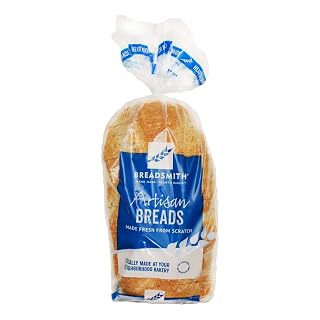


FRENCH BREAD
Analysis updated June 2026 · How Scout scores
At a glance
Summary
This French bread is ultra-processed, which limits its potential score despite having some beneficial ingredients like a fermented sourdough starter. The presence of xanthan gum and guar gum, both highly processed additives, contributes to its processing level and can cause digestive issues for some individuals. While it avoids major red flags like seed oils or artificial sweeteners, the use of multiple processed ingredients and additives impacts its overall healthiness.
Key ingredients 8
Brown rice flourGood
Beneficial ingredient — whole-food or functional value in this product class.
See more about Brown rice flour →Sorghum flourGood
Beneficial ingredient — whole-food or functional value in this product class.
See more about Sorghum flour →Fermented sourdough starter (filtered water, brown rice flour, sorghum flour)Neutral
This ingredient is a natural fermentation starter that helps improve bread texture and flavor without adding harmful substances.
Tapioca flourNeutral
Tapioca flour is a starchy ingredient that enhances bread elasticity and texture without negative health impacts.
See more about Tapioca flour →Potato starchNeutral
Potato starch is used as a thickening agent that improves bread softness and shelf life without harmful effects.
See more about Potato starch →SaltNeutral
Standard formulation ingredient — neither beneficial nor harmful at typical use.
See more about Salt →Xanthan gumNeutral
Xanthan gum is a common food additive used to improve dough consistency without significant health concerns.
See more about Xanthan gum →Organic evaporated cane sugarBad
This ingredient is a form of added sugar, which can contribute to excessive calorie intake and reduced nutritional quality.
See more about Organic evaporated cane sugar →Processing
Ultra-Processed Foods
Get the full breakdown in the Scout appTake Scout shopping
Scan any product to see lab results, healthy alternatives, and your personalized analysis.
Download on theApp Store GET IT ONGoogle PlayAmazon pricing & content
Amazon price as of . Product prices and availability are accurate as of the date/time indicated and are subject to change. Any price and availability information displayed on Amazon.com at the time of purchase will apply to the purchase of this product.
CERTAIN CONTENT THAT APPEARS ON THIS SITE COMES FROM AMAZON. THIS CONTENT IS PROVIDED “AS IS” AND IS SUBJECT TO CHANGE OR REMOVAL AT ANY TIME.