


At a glance
Summary
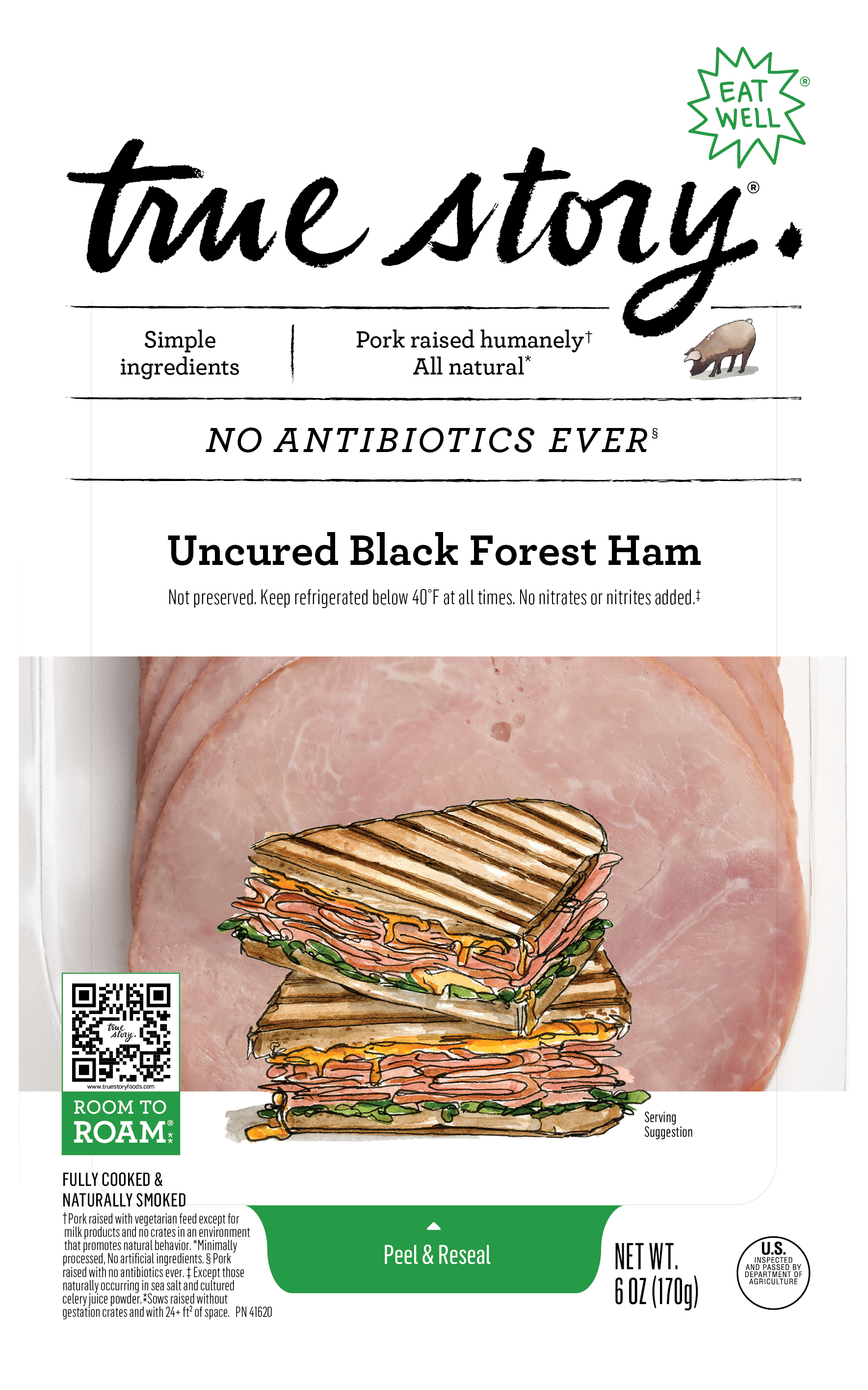
This uncured black forest ham is a processed product with a relatively clean ingredient list, featuring ham, water, and honey as primary components. The use of sea salt is a positive aspect, providing trace minerals, while the presence of clove natural flavoring raises some concerns due to its vague composition. The product's processing level limits its score, but the absence of major harmful additives allows for a fair rating.
Key ingredients 7
HoneyGood
Traditional whole-food sweetener with trace enzymes and antioxidants.
Risks
Excessive consumption of honey can contribute to high sugar intake, which may lead to health issues like obesity and dental cavities.
Benefits
Honey contains trace amounts of antioxidants and has a lower glycemic index compared to refined sugars.
Sea SaltGood
Sea salt is a minimally processed source of sodium and trace minerals. It is considered a better alternative to refined table salt. The presence of trace minerals can provide additional health benefits.
Risks
Excessive sodium intake can lead to hypertension and cardiovascular issues.
Benefits
Sea salt provides essential sodium and trace minerals that support various bodily functions.
HamNeutral
Ham is a source of animal protein, providing essential amino acids. It is processed and may contain added sodium and preservatives. The quality of ham can vary based on the source and processing methods.
Risks
Processed meats like ham can be high in sodium and may contain nitrates or nitrites, which are linked to health concerns when consumed in excess.
Benefits
Ham provides a good source of protein and essential nutrients like iron and B vitamins.
WaterNeutral
Water is used as a solvent and to maintain moisture in processed foods. It is a neutral ingredient with no direct nutritional impact. The presence of water helps in maintaining the texture and juiciness of the product.
See more about Water →Celery Juice PowderNeutral
Celery juice powder is used as a natural preservative due to its nitrate content. It is a natural alternative to synthetic preservatives. The nitrates in celery can convert to nitrites, which help in curing meats.
Risks
Nitrates can convert to nitrosamines, which are linked to cancer risk when consumed in large amounts.
Benefits
Provides a natural source of nitrates that can help preserve the product without synthetic additives.
Sodium CitrateNeutral
Sodium citrate is used as an emulsifier and acidity regulator in processed foods. It helps maintain the stability and texture of the product. While it is generally recognized as safe, it is a synthetic additive.
Benefits
Helps maintain product stability and texture, ensuring a consistent quality.
Clove Natural FlavoringBad
Clove natural flavoring is used to enhance taste but lacks transparency in its composition. The term 'natural flavoring' can encompass a wide range of substances. This lack of specificity can be concerning for those with allergies or sensitivities.
Risks
Potential for allergic reactions or sensitivities due to unspecified components.
Processing
Processed Foods
Get the full breakdown in the Scout appTake Scout shopping
Scan any product to see lab results, healthy alternatives, and your personalized analysis.
Download on theApp Store GET IT ONGoogle Play