
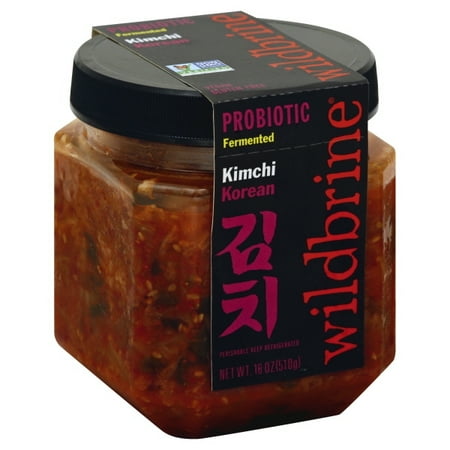


Wildbrine PROBIOTIC FERMENTED KIMCHI
Analysis updated September 2026 · How Scout scores
At a glance
Summary
This kimchi product is made from a variety of nutrient-rich ingredients like Napa cabbage, green onion, and sea vegetables, which are known for their vitamins, minerals, and probiotic benefits. The ingredient list is clean, with no artificial additives or harmful substances, and the fermentation process enhances its nutritional profile. Despite being processed, the absence of seed oils and artificial additives allows it to achieve a high score within its category.
Key ingredients 8
Napa cabbageGood
Napa cabbage is a low-calorie vegetable rich in vitamins C and K. It provides dietary fiber and antioxidants that support digestive health. Fermentation enhances its probiotic content, promoting gut health.
Benefits
Rich in vitamins and fiber, supporting overall health and digestion. Fermentation adds beneficial probiotics for gut health.
Green onionGood
Green onions are a source of vitamins A, C, and K, and contain antioxidants. They add flavor and nutrients with minimal calories. Their sulfur compounds may have anti-inflammatory properties.
Benefits
Provides vitamins and antioxidants that support immune function and reduce inflammation.
Sea vegetableGood
Sea vegetables are rich in iodine, essential for thyroid function, and contain various vitamins and minerals. They offer unique antioxidants that may protect against cellular damage. Their nutrient density supports overall health.
Risks
Excessive consumption may lead to iodine overload, affecting thyroid health.
Benefits
Provides essential iodine and antioxidants, supporting thyroid health and cellular protection.
Chili pepperGood
Chili peppers contain capsaicin, which may boost metabolism and reduce inflammation. They are rich in vitamins A and C, supporting immune health. Their spicy flavor enhances culinary appeal.
Risks
May cause digestive discomfort in sensitive individuals.
Benefits
Rich in capsaicin and vitamins, supporting metabolism and immune function.
Sea saltGood
Sea salt is a natural source of sodium and trace minerals. It is less processed than table salt, retaining beneficial minerals. Its use in moderation can enhance flavor without excessive sodium intake.
Risks
Excessive consumption can contribute to high blood pressure.
Benefits
Provides essential minerals and enhances flavor with minimal processing.
Sesame seedsGood
Sesame seeds are rich in healthy fats, protein, and minerals like calcium and magnesium. They contain lignans and phytosterols that may support heart health. Their nutrient profile supports bone health and metabolic function.
Risks
Allergic reactions can occur in sensitive individuals.
Benefits
Rich in nutrients and healthy fats, supporting heart and bone health.
GarlicGood
Garlic is known for its antimicrobial and anti-inflammatory properties. It contains allicin, which may support cardiovascular health. Its use in cooking enhances flavor and provides health benefits.
Risks
May cause digestive discomfort in some individuals.
Benefits
Offers antimicrobial benefits and supports heart health through allicin content.
GingerGood
Ginger is known for its anti-inflammatory and antioxidant properties. It may aid digestion and reduce nausea. Its bioactive compounds, like gingerol, contribute to its health benefits.
Risks
Excessive consumption may cause digestive upset.
Benefits
Supports digestion and reduces inflammation with bioactive compounds.
Processing
Processed Foods
Get the full breakdown in the Scout appTake Scout shopping
Scan any product to see lab results, healthy alternatives, and your personalized analysis.
Download on theApp Store GET IT ONGoogle PlayAmazon pricing & content
Amazon price as of . Product prices and availability are accurate as of the date/time indicated and are subject to change. Any price and availability information displayed on Amazon.com at the time of purchase will apply to the purchase of this product.
CERTAIN CONTENT THAT APPEARS ON THIS SITE COMES FROM AMAZON. THIS CONTENT IS PROVIDED “AS IS” AND IS SUBJECT TO CHANGE OR REMOVAL AT ANY TIME.