
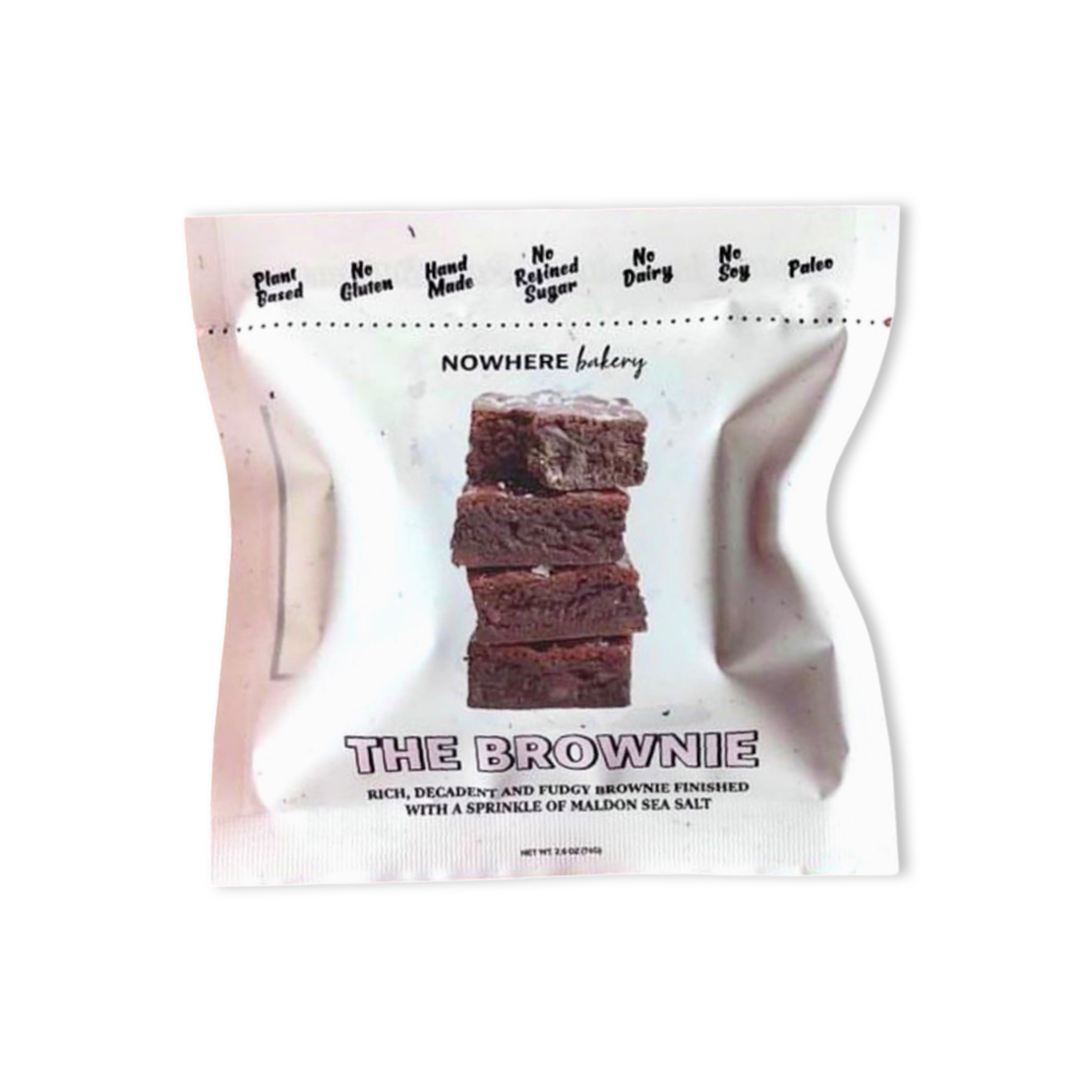




At a glance
Summary
This product features several beneficial ingredients such as almond butter, cacao powder, and dark chocolate chips, which provide healthy fats, antioxidants, and minerals. The use of natural sweeteners like maple syrup and coconut sugar is a positive aspect, although the overall sugar content is relatively high. Despite being processed, the ingredient list is clean with minimal additives, contributing to a favorable score within its category.
Key ingredients 12
Cacao PowderVery Good
Cacao powder is rich in antioxidants and flavonoids, which support heart health and reduce inflammation. It is minimally processed and retains more nutrients compared to cocoa powder. Additionally, it provides magnesium and iron.
Benefits
High in antioxidants and flavonoids, supporting cardiovascular health and providing essential minerals like magnesium and iron.
Almond ButterGood
Almond butter is a nutrient-dense source of healthy fats and protein. It contains monounsaturated fats that support heart health and provide anti-inflammatory benefits. Additionally, it offers vitamins and minerals such as vitamin E and magnesium.
Risks
Potential allergen for individuals with nut allergies.
Benefits
Rich in monounsaturated fats and provides protein, vitamin E, and magnesium, supporting heart health and overall nutrition.
Maple SyrupGood
Beneficial ingredient — whole-food or functional value in this product class.
Risks
High sugar content can contribute to blood sugar spikes and dental issues if consumed in excess.
Benefits
Provides trace minerals and antioxidants, offering a more natural alternative to refined sugars.
ApplesauceGood
Applesauce is a natural source of fiber and vitamin C. It is often used as a healthier alternative to oil or sugar in baking. The natural sugars in applesauce are less processed and provide some nutritional benefits.
Benefits
Offers dietary fiber and vitamin C, contributing to digestive health and immune support.
Dark Chocolate ChipsGood
Dark chocolate chips contain cacao, which is high in antioxidants and beneficial for heart health. The inclusion of coconut sugar as a sweetener makes it a less processed option. Dark chocolate is also a source of iron and magnesium.
Risks
Contains sugar, which can contribute to calorie intake and potential blood sugar spikes.
Benefits
Rich in antioxidants and provides minerals like iron and magnesium, supporting heart health and overall nutrition.
Vanilla ExtractGood
Beneficial ingredient — whole-food or functional value in this product class.
Benefits
Adds flavor and aroma to foods with minimal impact on nutritional content.
Maldon Sea SaltGood
Maldon sea salt is an unrefined salt that contains trace minerals. It is harvested naturally and provides a more complex flavor profile than regular table salt. The presence of trace minerals can offer slight nutritional benefits.
Risks
Excessive sodium intake can lead to hypertension, but moderate use is generally safe.
Benefits
Provides trace minerals and enhances flavor, offering a more natural alternative to refined salt.
Coconut SugarNeutral
Coconut sugar is a natural sweetener made from the sap of coconut palm trees. It has a lower glycemic index than regular sugar, but still contributes to overall sugar intake. It contains small amounts of minerals like iron and zinc.
Risks
High sugar content can lead to increased calorie intake and potential blood sugar spikes.
Benefits
Contains trace minerals and has a lower glycemic index compared to refined sugar.
Tapioca FlourNeutral
Tapioca flour is a gluten-free starch extracted from cassava root. It is commonly used as a thickening agent and provides a chewy texture in baked goods. While it is low in nutrients, it is a suitable option for those avoiding gluten.
Benefits
Provides a gluten-free alternative for baking and thickening, suitable for those with gluten sensitivities.
Baking SodaNeutral
Baking soda is a leavening agent used to help baked goods rise. It is a chemical compound that reacts with acidic ingredients to produce carbon dioxide gas. While it is essential for texture, it does not provide nutritional benefits.
Risks
Excessive consumption can lead to alkalosis, but this is unlikely in typical food use.
Benefits
Essential for leavening in baking, contributing to the texture and rise of baked goods.
en:e500Neutral
E500, also known as sodium bicarbonate, is a common leavening agent in baking. It reacts with acidic components to produce carbon dioxide, aiding in the rise of baked goods. It is generally recognized as safe when used in typical food quantities.
Benefits
Essential for leavening in baking, contributing to the texture and rise of baked goods.
en:e500iiNeutral
E500ii, also known as sodium carbonate, is used as a food additive for pH regulation and as a leavening agent. It is generally recognized as safe and is used in small quantities in food processing. It helps maintain the desired texture and consistency in baked goods.
Benefits
Assists in maintaining texture and consistency in baked goods, contributing to the overall quality of the product.
Processing
Processed Foods
Get the full breakdown in the Scout appTake Scout shopping
Scan any product to see lab results, healthy alternatives, and your personalized analysis.
Download on theApp Store GET IT ONGoogle Play