


At a glance
Summary
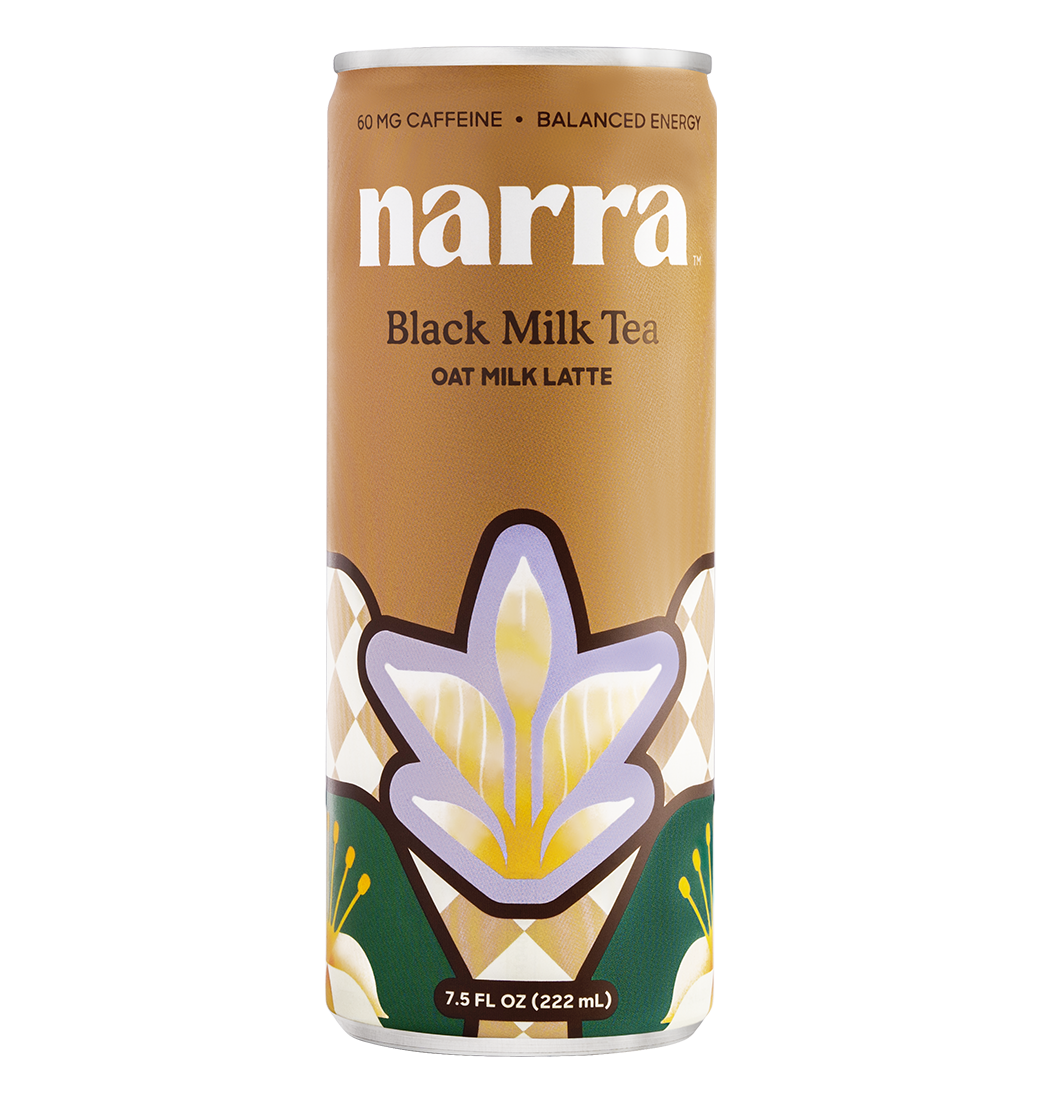
This black milk tea features brewed black tea and organic oats, both of which are beneficial ingredients providing antioxidants and fiber. The use of monk fruit juice concentrate as a natural sweetener is a positive aspect, avoiding artificial sweeteners. However, the presence of additives like potassium phosphate and gums, along with its processed nature, slightly detracts from its overall healthiness.
Key ingredients 8
Brewed Black TeaVery Good
Brewed black tea is rich in antioxidants, particularly polyphenols, which can help reduce inflammation and support heart health. The brewing process preserves these beneficial compounds, making it a healthy choice. Additionally, black tea provides a moderate amount of caffeine, which can enhance alertness and focus.
Benefits
Contains antioxidants that may reduce the risk of chronic diseases and improve cardiovascular health.
Organic OatsGood
Organic oats are a good source of dietary fiber, particularly beta-glucan, which can help lower cholesterol levels. Being organic, they are free from synthetic pesticides and fertilizers, enhancing their nutritional profile. Oats also provide essential vitamins and minerals, contributing to overall health.
Benefits
Rich in fiber and nutrients, supporting heart health and digestion.
Coconut MCT OilGood
Coconut MCT oil is a source of medium-chain triglycerides, which are rapidly absorbed and used for energy. It is often used to support weight management and cognitive function. The oil is derived from coconuts, providing a natural source of healthy fats.
Benefits
Supports energy metabolism and may aid in weight management and cognitive health.
Monk Fruit Juice ConcentrateGood
Monk fruit juice concentrate is a natural sweetener that provides sweetness without calories. It is derived from monk fruit and contains antioxidants. Unlike artificial sweeteners, it does not have known adverse health effects.
Benefits
Offers a calorie-free sweetening option with antioxidant properties.
Raw Demerara SugarNeutral
Raw demerara sugar is a less refined sugar with a slight molasses content, providing a richer flavor. It is still a source of added sugar, which should be consumed in moderation. While it contains trace minerals, its nutritional benefits are minimal compared to its caloric content.
Risks
Excessive consumption of added sugars can lead to weight gain and increased risk of metabolic diseases.
Benefits
Provides a natural sweetening option with a richer flavor profile than refined sugar.
Potassium PhosphateNeutral
Potassium phosphate is used as an acidity regulator and source of potassium, an essential mineral. It is generally recognized as safe when used in food products. However, excessive intake of phosphates can affect calcium absorption.
Risks
High phosphate intake may interfere with calcium absorption and bone health.
Benefits
Provides a source of potassium, which is important for maintaining electrolyte balance and muscle function.
Gum AcaciaNeutral
Gum acacia is a natural gum used as a stabilizer and thickener in food products. It is derived from the sap of acacia trees and is considered safe for consumption. It may also have prebiotic effects, supporting gut health.
Benefits
May support gut health due to its prebiotic properties.
Gellan GumNeutral
Gellan gum is a gelling agent used to stabilize and thicken food products. It is produced through fermentation and is considered safe for consumption. It does not provide nutritional benefits but helps maintain product consistency.
Benefits
Helps maintain the texture and stability of food products.
Processing
Processed Foods
Get the full breakdown in the Scout appTake Scout shopping
Scan any product to see lab results, healthy alternatives, and your personalized analysis.
Download on theApp Store GET IT ONGoogle Play