

At a glance
Summary
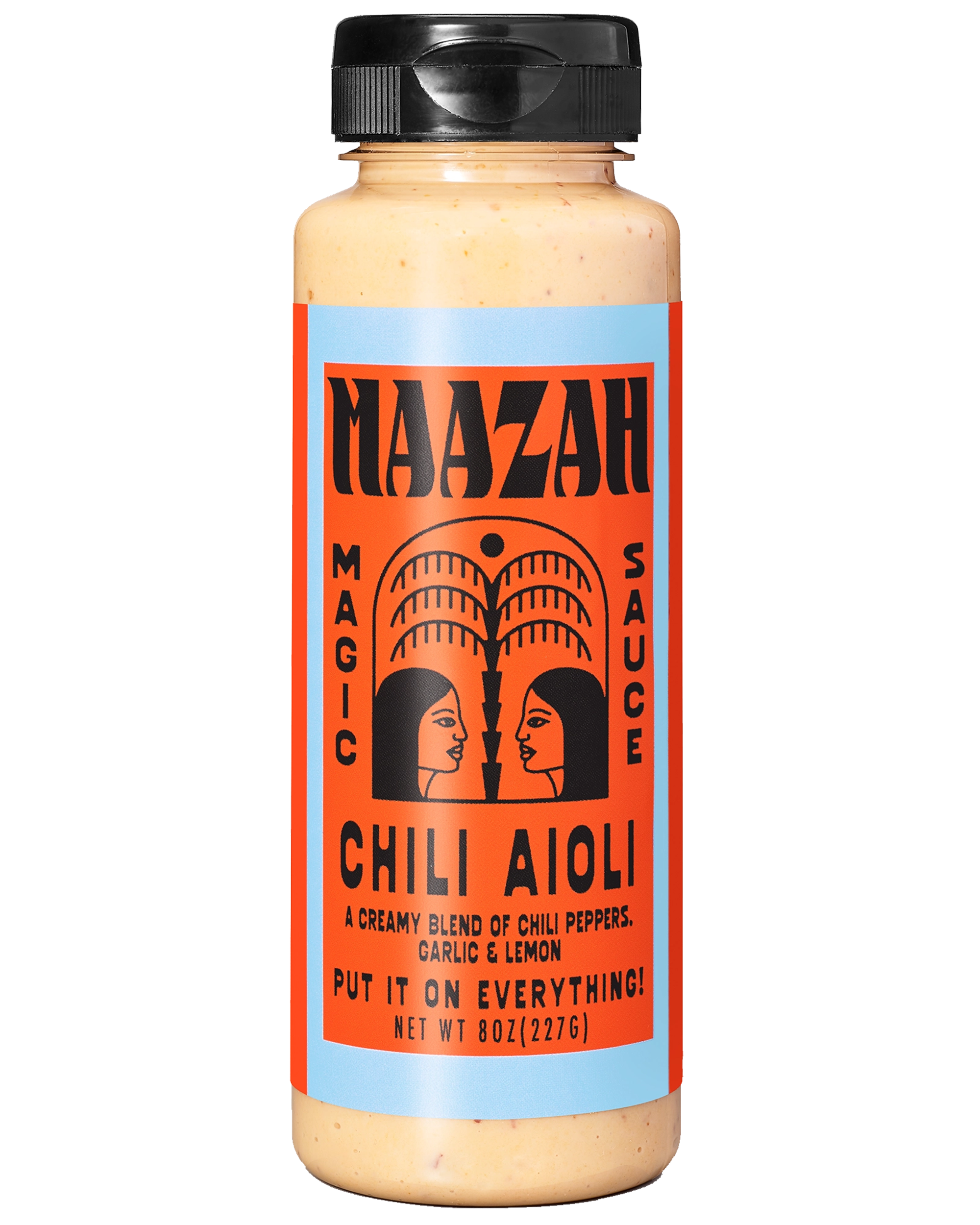
This chili aioli contains several beneficial ingredients such as chili pepper, garlic, and ginger, which are minimally processed and offer health benefits like anti-inflammatory properties. However, the presence of corn starch and organic cane sugar, along with its processed nature, slightly detracts from its overall healthiness. The product's processing level limits its maximum potential score, despite the clean ingredient list.
Key ingredients 12
Chili PepperGood
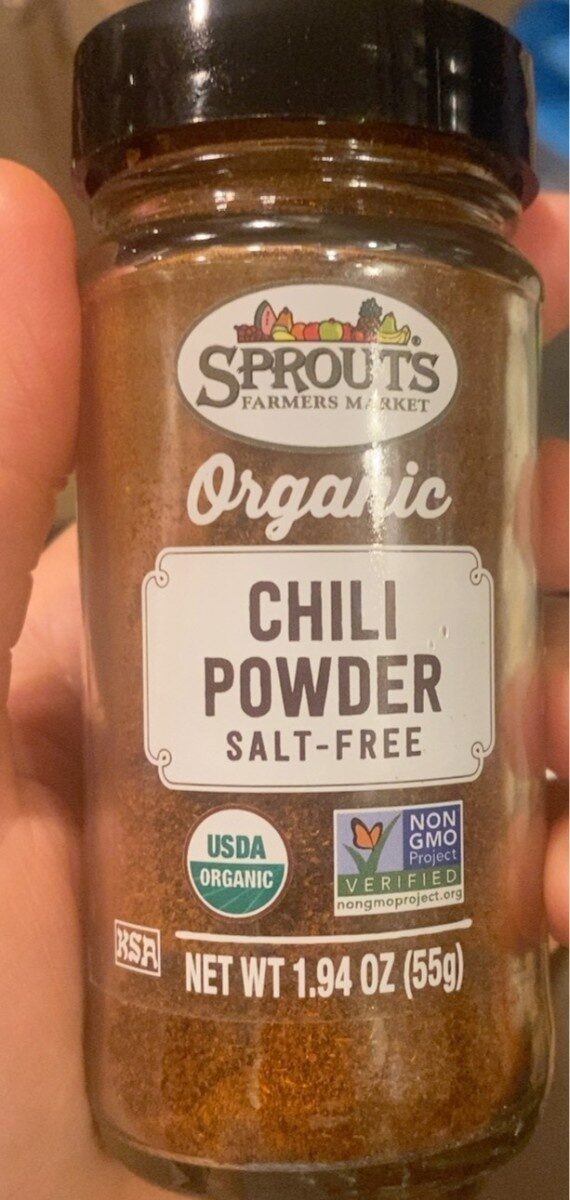
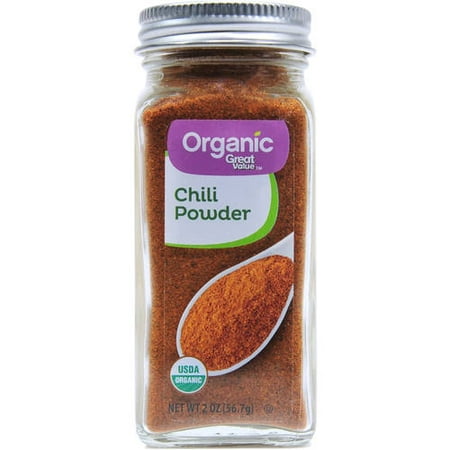
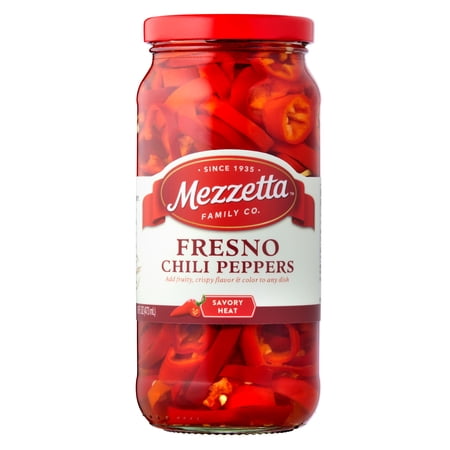
Chili peppers are rich in vitamins and capsaicin, which may boost metabolism and reduce inflammation. They are minimally processed and retain their natural nutrients. Capsaicin also provides a spicy flavor that can enhance culinary dishes.
Risks
Excessive consumption may cause digestive discomfort or irritation.
Benefits
Rich in vitamins A and C, and capsaicin, which may have anti-inflammatory and metabolism-boosting properties.
GarlicGood
Garlic is known for its potential cardiovascular benefits and immune-boosting properties. It contains allicin, which has been studied for its health-promoting effects. Fresh garlic is a whole food with minimal processing.
Risks
May cause digestive upset in sensitive individuals.
Benefits
Contains allicin, which may support heart health and boost the immune system.
Roasted Red Bell PepperGood
Roasted red bell peppers are rich in vitamins A and C and provide antioxidants. Roasting enhances their flavor while retaining most nutrients. They add a natural sweetness and vibrant color to dishes.
Benefits
High in vitamins A and C, providing antioxidant benefits and enhancing flavor.
GingerGood
Ginger is known for its anti-inflammatory and digestive benefits. It contains gingerol, which has been studied for its health-promoting properties. Fresh ginger is a whole food with minimal processing.
Risks
May cause heartburn or digestive discomfort in some individuals.
Benefits
Contains gingerol, which may aid digestion and reduce inflammation.
Apple Cider VinegarGood
Apple cider vinegar is praised for its potential digestive and blood sugar regulation benefits. It is made through fermentation, which preserves beneficial compounds. It adds acidity and flavor to foods.
Risks
Excessive consumption may erode tooth enamel or cause digestive issues.
Benefits
May aid digestion and help regulate blood sugar levels.
Navy Bean FlourGood
Navy bean flour is a good source of plant-based protein and fiber. It is minimally processed and retains the nutritional benefits of whole beans. It can improve the texture and nutritional profile of foods.
Benefits
Rich in protein and fiber, supporting digestive health and satiety.
Aleppo PepperGood
Aleppo pepper adds flavor and mild heat to dishes, containing vitamins and antioxidants. It is minimally processed and retains its natural nutrients. It enhances the culinary profile of foods.
Benefits
Provides vitamins and antioxidants, enhancing flavor and nutritional value.
OilNeutral
The type of oil is unspecified, which makes it difficult to assess its health impact. If it is a seed oil, it may be high in omega-6 fatty acids, which can be inflammatory. Without specific information, it is classified as neutral.
Risks
Potentially high in omega-6 fatty acids if it is a seed oil.
Benefits
Provides a source of dietary fat, which is essential for nutrient absorption.
SaltNeutral
Salt is essential for flavor and preserving food, but excessive intake can lead to health issues. It is a refined ingredient without additional health benefits. Moderation is key to avoid negative health impacts.
Risks
High sodium intake can contribute to hypertension and cardiovascular issues.
Benefits
Essential for flavor enhancement and food preservation.
WaterNeutral
Water is a neutral ingredient used as a solvent and to adjust consistency. It does not contribute significant nutritional value. It is essential for hydration and processing in food production.
Benefits
Essential for hydration and used to adjust food consistency.
Corn StarchNeutral
Corn starch is used as a thickening agent in foods. It is highly processed and provides no significant nutritional benefits. It is neutral in terms of health impact when used in moderation.
Benefits
Used to improve texture and consistency in food products.
Organic Cane SugarBad
Processed additive flagged under Scout's ingredient doctrine.
Risks
Excessive consumption can lead to weight gain and metabolic issues.
Benefits
Provides a natural source of sweetness with minimal processing.
Processing
Processed Foods
Get the full breakdown in the Scout appTake Scout shopping
Scan any product to see lab results, healthy alternatives, and your personalized analysis.
Download on theApp Store GET IT ONGoogle Play