

At a glance
Summary
This product contains a mix of beneficial ingredients like pomegranate juice, lemon juice, and tomatoes, which are rich in antioxidants and vitamins. However, the presence of refined sugar, a highly processed ingredient, detracts from its overall healthiness due to its potential negative health impacts. The product is moderately processed, which limits its score despite the presence of several nutritious components.
Key ingredients 15
Pomegranate juiceVery Good
Pomegranate juice is rich in antioxidants, particularly polyphenols, which can help reduce inflammation and oxidative stress. It is minimally processed, retaining most of its natural nutrients. The juice is also known for its potential heart health benefits.
Benefits
Contains antioxidants that may support heart health and reduce inflammation.
CarrotVery Good
Carrots are a good source of beta-carotene, fiber, and various vitamins and minerals. They are minimally processed and provide numerous health benefits. The beta-carotene in carrots is converted to vitamin A, which is essential for vision and immune function.
Benefits
Provides beta-carotene, fiber, and essential vitamins, supporting vision and immune health.
TomatoesVery Good
Tomatoes are a rich source of lycopene, vitamin C, and potassium, contributing to heart health and reducing inflammation. They are minimally processed and retain their natural nutrients. Lycopene is a powerful antioxidant that may reduce the risk of certain diseases.
Benefits
Provides lycopene and vitamins, supporting heart health and reducing inflammation.
LemonsVery Good
Lemons are rich in vitamin C and antioxidants, supporting immune function and skin health. They are minimally processed and retain their natural nutrients. The acidity of lemons can also aid in digestion and enhance flavor.
Benefits
Rich in vitamin C and antioxidants, supporting immune health and digestion.
Olive oilVery Good
Olive oil is a high-quality monounsaturated fat with anti-inflammatory properties. It contains antioxidants that support heart health and is often cold-pressed to preserve beneficial compounds. Olive oil is a staple in healthy diets and is associated with reduced risk of chronic diseases.
Benefits
Rich in monounsaturated fats and antioxidants, supporting heart health and reducing inflammation.
Lemon juiceGood
Lemon juice is a natural source of vitamin C and antioxidants, which can support immune function and skin health. It is minimally processed and retains its natural nutrients. The acidity of lemon juice can also aid in digestion.
Benefits
Rich in vitamin C and antioxidants, supporting immune health and digestion.
Lemon zestGood
Lemon zest contains essential oils and antioxidants that can enhance flavor and provide health benefits. It is minimally processed and retains its natural compounds. The zest is also a source of dietary fiber.
Benefits
Contains antioxidants and essential oils that may support health and enhance flavor.
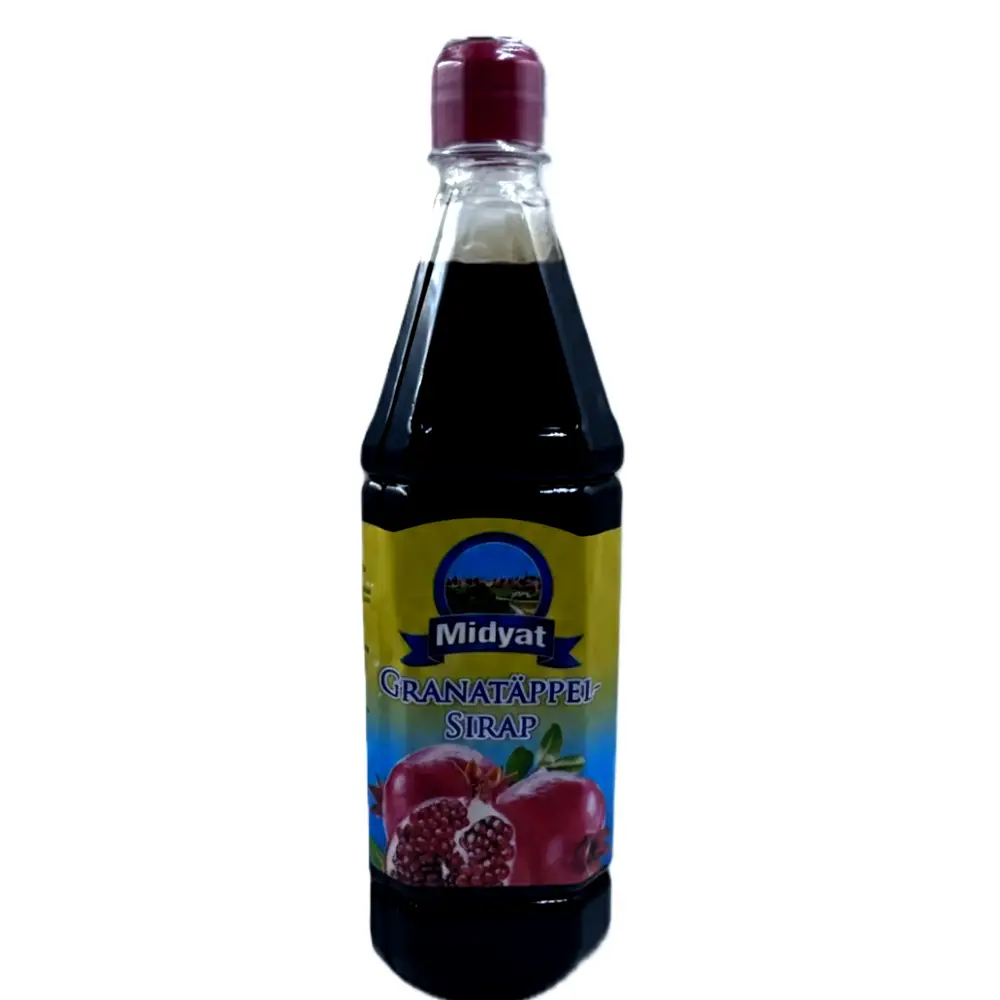
Pomegranate molassesGood
Pomegranate molasses is a concentrated form of pomegranate juice, retaining many of its antioxidants and nutrients. It is used as a natural sweetener and flavor enhancer. The concentration process preserves the beneficial compounds found in pomegranate.
Benefits
Rich in antioxidants and provides a natural sweetening option.
ParsleyGood
Parsley is rich in vitamins A, C, and K, and contains antioxidants that support overall health. It is minimally processed and adds nutritional value to dishes. Parsley also has anti-inflammatory properties and can aid in digestion.
Benefits
Rich in vitamins and antioxidants, supporting immune health and digestion.
Green onionsGood
Green onions are a source of vitamins A, C, and K, and contain antioxidants that can support health. They are minimally processed and add flavor and nutrients to dishes. Green onions also have anti-inflammatory properties.
Benefits
Rich in vitamins and antioxidants, supporting immune health and reducing inflammation.
Cracked wheatGood
Cracked wheat is a whole grain that provides fiber, vitamins, and minerals, supporting digestive health and providing sustained energy. It is minimally processed, retaining most of its natural nutrients. Whole grains like cracked wheat are associated with reduced risk of chronic diseases.
Risks
May contain gluten, which can be a concern for individuals with celiac disease or gluten sensitivity.
Benefits
Provides fiber and essential nutrients, supporting digestive health and reducing disease risk.
Ground nutmegNeutral
Ground nutmeg is used primarily for flavoring and has minimal nutritional impact in small quantities. It is a natural spice with some antioxidant properties. However, it is typically used in small amounts that do not significantly contribute to nutritional intake.
Risks
Excessive consumption can lead to toxicity, but this is unlikely in typical culinary use.
Benefits
Provides flavor and some antioxidants, but minimal nutritional benefits in small amounts.
Cold waterNeutral
Cold water is used as a solvent and does not contribute any nutritional value. It is essential for hydration but does not provide additional health benefits in this context. The use of water is necessary for mixing and consistency in recipes.
Benefits
Essential for hydration but provides no additional nutritional benefits in this context.
SaltNeutral
Salt is used as a seasoning and preservative, enhancing flavor but providing no significant nutritional benefits. It is a processed culinary ingredient that should be consumed in moderation to avoid health issues. Excessive salt intake can lead to hypertension and cardiovascular problems.
Risks
High intake can lead to hypertension and increased risk of cardiovascular diseases.
Benefits
Enhances flavor and acts as a preservative, but provides no significant nutritional benefits.
SugarBad
Refined sugar is a highly processed ingredient that can contribute to various health issues such as obesity and diabetes when consumed in excess. It lacks nutritional value and can lead to spikes in blood sugar levels. Regular consumption of refined sugar is associated with increased risk of metabolic syndrome.
Risks
High intake can lead to obesity, insulin resistance, and increased risk of chronic diseases.
Processing
Processed Foods
Get the full breakdown in the Scout appTake Scout shopping
Scan any product to see lab results, healthy alternatives, and your personalized analysis.
Download on theApp Store GET IT ONGoogle Play