


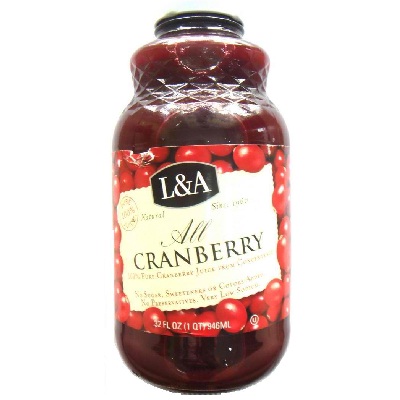

At a glance
Summary
This beverage contains organic cane sugar, which contributes to added sugar intake and can lead to health issues if consumed excessively. The use of natural flavors, while common, lacks transparency and may include various additives, raising concerns about their health impact. Despite being processed, the product avoids major harmful ingredients like artificial dyes and seed oils, but the presence of added sugars and natural flavors affects its overall healthiness.
Key ingredients 10
Non-GMO Citric AcidNeutral
Citric acid is commonly used as a preservative and flavor enhancer in foods and beverages. Being non-GMO indicates it is not derived from genetically modified organisms, which may be a preference for some consumers. It is generally recognized as safe when consumed in typical amounts.
Risks
Excessive consumption may cause tooth enamel erosion and gastrointestinal discomfort.
Gum ArabicNeutral
Gum arabic is a natural gum used as a stabilizer and thickener in foods. It is derived from the sap of the Acacia tree and is generally considered safe. It is minimally processed and does not pose significant health risks.
Risks
Excessive consumption may cause digestive discomfort.
Benefits
May have prebiotic effects that support gut health.
Malic AcidNeutral
Malic acid is a naturally occurring acid used to enhance flavor and acidity in foods. It is generally recognized as safe and is found naturally in many fruits. It is used in small amounts and does not pose significant health risks.
Risks
High doses may cause digestive discomfort.
Reb ANeutral
Reb A is a steviol glycoside derived from the stevia plant, used as a natural sweetener. It is calorie-free and does not affect blood sugar levels. It is considered safe for consumption and is a popular alternative to sugar.
Benefits
Provides sweetness without calories, making it suitable for weight management.
Exberry Cherry RedNeutral
Exberry cherry red is a natural color derived from fruits and vegetables, used to enhance the visual appeal of foods. It is minimally processed and free from synthetic chemicals. It is considered safe and preferable to artificial dyes.
Benefits
Provides natural coloring without synthetic additives.
Reb MNeutral
Reb M is another steviol glycoside from the stevia plant, used as a natural sweetener. It is calorie-free and does not impact blood sugar levels. It is considered safe and is a natural alternative to artificial sweeteners.
Benefits
Offers sweetness without calories, beneficial for those managing sugar intake.
Beet RootNeutral
Beet root is used as a natural colorant in foods, providing a red hue. It is derived from the beet plant and is minimally processed. It is a natural alternative to synthetic colorants and is generally considered safe.
Benefits
Provides natural coloring and may contain some antioxidants.
SilicaNeutral
Silica is used as an anti-caking agent to prevent clumping in powdered products. It is naturally occurring and considered safe in small amounts. It does not contribute any nutritional value.
See more about Silica →Organic Cane SugarBad
Organic cane sugar is a refined sugar that contributes to added sugar intake, which can lead to health issues like obesity and diabetes. Despite being organic, it still has the same metabolic effects as regular sugar. Excessive consumption of added sugars is a major health concern.
Risks
High intake of added sugars can increase the risk of obesity, type 2 diabetes, and heart disease.
Natural Flavors BlendBad
Natural flavors are often used to enhance taste but can be a catch-all for various additives, making it difficult to assess their health impact. They are highly processed and can contain numerous chemicals. The lack of transparency in their composition is a concern for some consumers.
Risks
Potential for allergic reactions and unknown chemical exposure.
Processing
Processed Foods
Get the full breakdown in the Scout appTake Scout shopping
Scan any product to see lab results, healthy alternatives, and your personalized analysis.
Download on theApp Store GET IT ONGoogle Play