




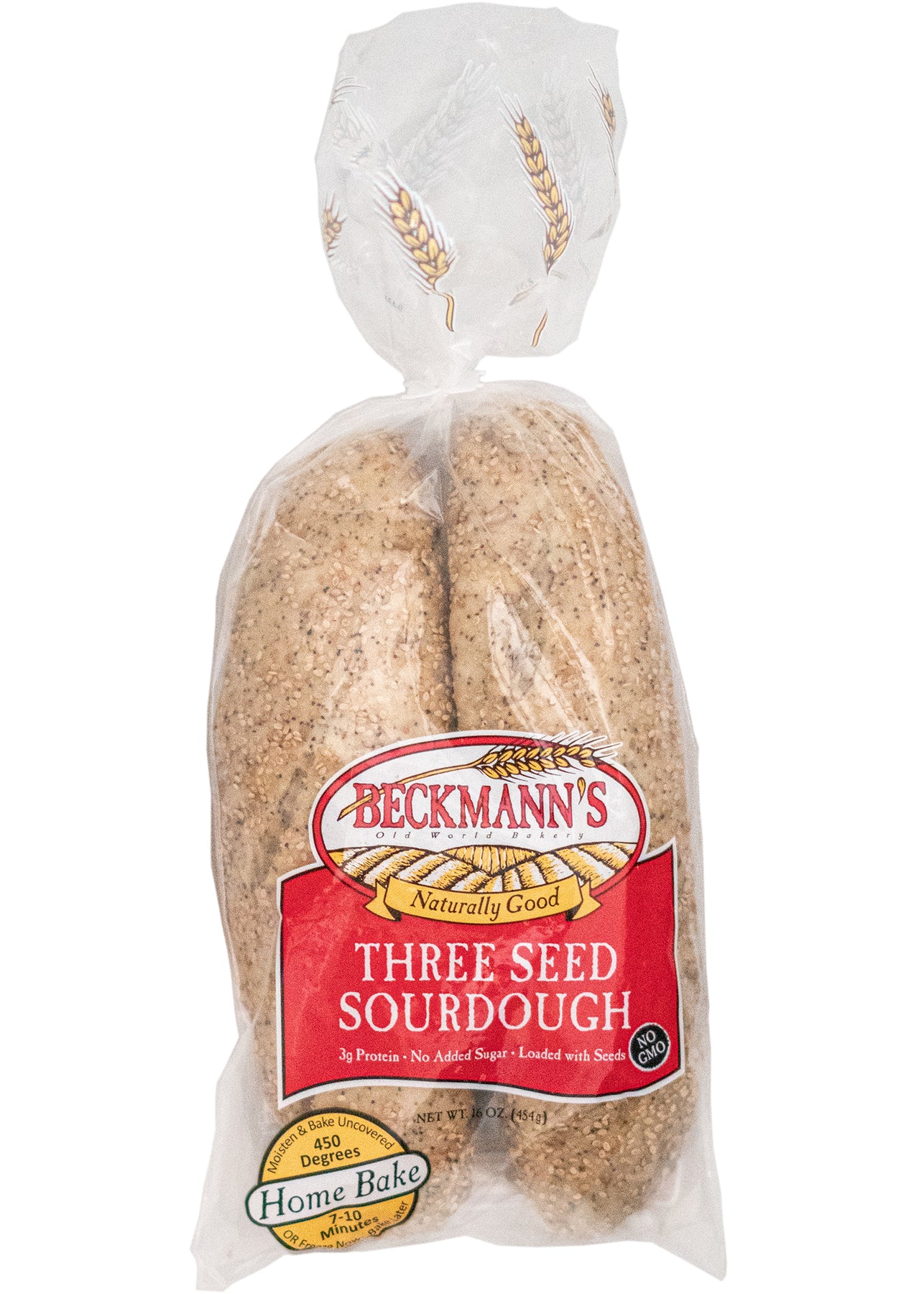
Sesame Buns
Summary
The sesame buns contain beneficial ingredients like yeast, milk, butter, and eggs, which contribute to their nutritional profile. However, the presence of refined sugar and the use of enriched bleached flour indicate a moderate level of processing. While the ingredient list is relatively clean, the processed nature of the product limits its overall healthiness score.
At a glance
Key ingredients 9
Enriched bleached flourNeutral
Enriched bleached flour is a refined flour that has been treated to improve texture and shelf life. It is fortified with vitamins and minerals to replace nutrients lost during processing. While it provides carbohydrates, it lacks the fiber and nutrients found in whole grains.
Risks
May contribute to blood sugar spikes and lacks the nutritional benefits of whole grains.
Benefits
Provides a source of carbohydrates and is fortified with essential vitamins and minerals.
WaterNeutral
Water is a fundamental ingredient used to hydrate and bind ingredients in baking. It is essential for the chemical reactions that occur during baking. Water itself does not provide any nutritional value.
Benefits
Essential for hydration and necessary for the baking process.
SugarBad
Sugar is a refined carbohydrate that provides sweetness and enhances flavor. It can contribute to energy spikes and is linked to various health issues when consumed in excess. Refined sugar lacks nutritional benefits and can lead to weight gain and metabolic disorders.
Risks
Excessive consumption can lead to obesity, diabetes, and dental issues.
Benefits
Provides quick energy and enhances the flavor of baked goods.
YeastGood
Yeast is a microorganism used in baking to ferment and leaven dough. It contributes to the texture and flavor of bread. Yeast fermentation can enhance the nutritional profile of bread by increasing B vitamins.
Benefits
Improves texture and flavor while enhancing the nutritional profile with B vitamins.
MilkGood
Milk is a nutrient-rich liquid that provides protein, calcium, and vitamins. It enhances the flavor and texture of baked goods. The presence of lactose and casein can be beneficial for bone health.
Risks
May cause allergic reactions or lactose intolerance in sensitive individuals.
Benefits
Rich in calcium and protein, supporting bone health and muscle function.
ButterGood
Butter is a dairy product rich in saturated fats and fat-soluble vitamins. It enhances flavor and texture in baking. Grass-fed butter contains higher levels of omega-3 fatty acids and vitamin K2.
Risks
High in saturated fats, which may impact heart health if consumed in excess.
Benefits
Provides fat-soluble vitamins and enhances flavor and texture in baked goods.
SaltNeutral
Salt is used to enhance flavor and control yeast activity in baking. It is essential for maintaining fluid balance and nerve function. Excessive consumption can lead to hypertension and cardiovascular issues.
Risks
High intake may contribute to hypertension and cardiovascular diseases.
Benefits
Essential for flavor enhancement and maintaining fluid balance.
EggGood
Eggs are a high-quality protein source and provide essential nutrients like choline and vitamin D. They contribute to the structure and richness of baked goods. Eggs from pasture-raised hens offer higher omega-3 content.
Risks
Potential allergen for some individuals.
Benefits
Rich in protein and essential nutrients, supporting muscle health and brain function.
Vegetable shorteningNeutral
Vegetable shortening is a fat used to create a tender texture in baked goods. It is often made from hydrogenated oils, which can contain trans fats. Modern formulations may reduce trans fat content, but it still lacks nutritional benefits.
Risks
May contain trans fats, which are linked to heart disease.
Benefits
Contributes to a tender texture in baked goods.
Processing
Processed Foods
Get the full breakdown in the Scout app
Scan any product to see lab results, healthy alternatives, and your personalized analysis.
Download on theApp Store