


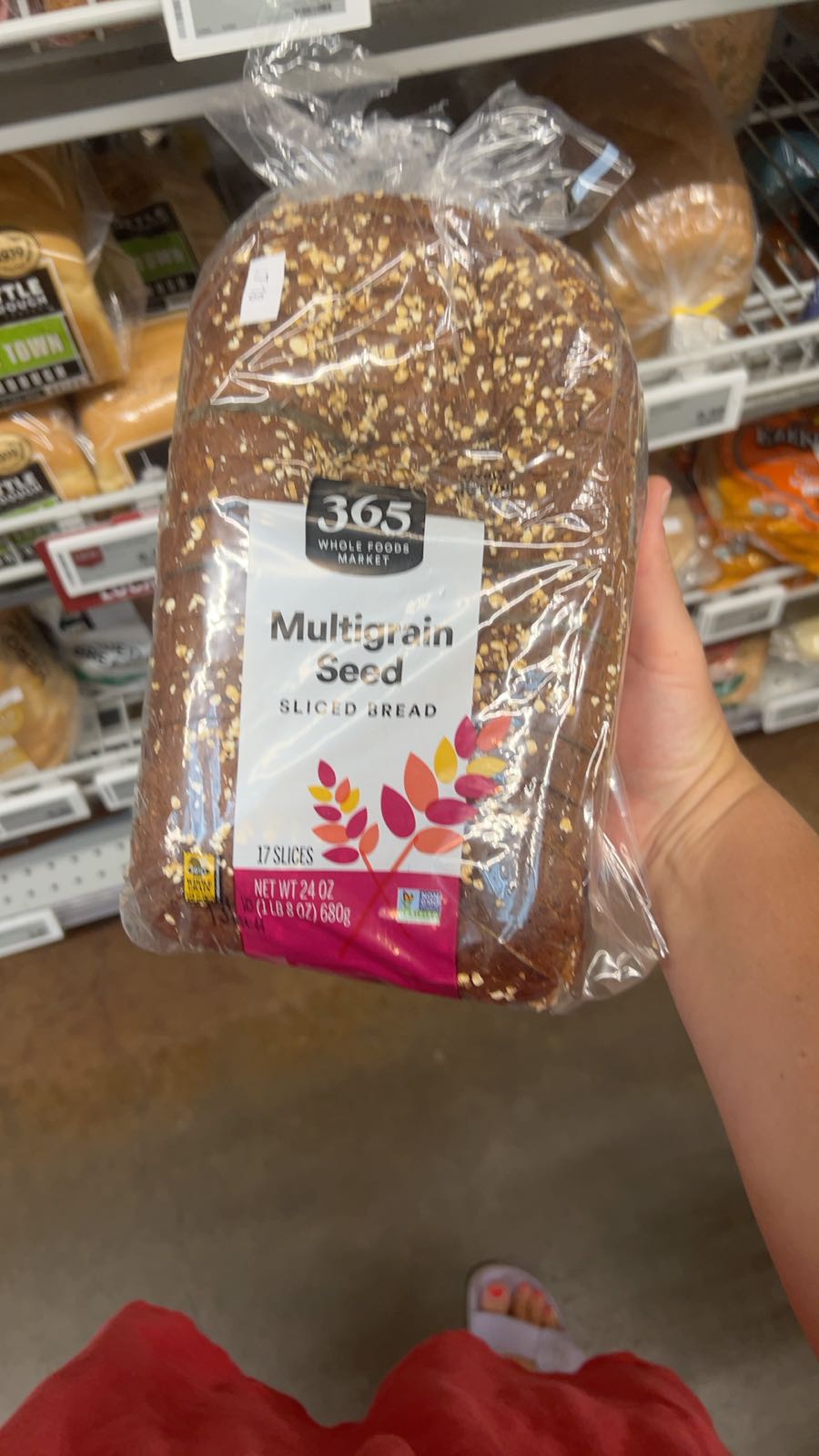


At a glance
Summary
This bread contains a mix of whole grains and seeds, which contribute beneficial nutrients and fiber. However, the presence of wheat gluten and the use of canola seeds, which are often associated with seed oils, slightly detract from its overall healthiness. The product is moderately processed, which limits its score despite the presence of nutritious ingredients.
Key ingredients 6
GrainsGood
Grains such as kibbled rye, purple wheat, oats, triticale, and barley add fiber and nutrients to the bread. These whole grains are less processed and provide more health benefits compared to refined grains. They contribute to improved digestion and sustained energy release.
Risks
Potential allergen for individuals sensitive to gluten-containing grains.
Benefits
Rich in fiber and essential nutrients, supporting digestive health and providing sustained energy.
SeedsGood
Seeds such as canola add nutritional value, including healthy fats and fiber. Whole seeds are generally considered beneficial for heart health and digestion. They provide essential fatty acids and micronutrients.
Benefits
Rich in healthy fats and fiber, supporting heart health and digestion.
WaterNeutral
Water is a fundamental ingredient in bread making, aiding in the hydration of flour and activation of yeast. It is a neutral ingredient with no direct health impact. The quality of water can affect the final product, but it generally poses no health risks.
Benefits
Essential for hydration and activation of yeast in bread making.
Wheat GlutenNeutral
Wheat gluten is added to improve the elasticity and texture of bread. It is a protein found in wheat that can enhance the structural integrity of baked goods. While beneficial for bread quality, it can be problematic for those with gluten intolerance or celiac disease.
Risks
May cause adverse reactions in individuals with gluten intolerance or celiac disease.
Benefits
Improves bread texture and elasticity, enhancing the overall quality of the product.
YeastNeutral
Baker's/nutritional yeast in standard use — benign.
Benefits
Enhances bread texture and flavor, and may improve nutrient availability through fermentation.
Wheat FlourBad
Refined grain flour stripped of bran and germ.
Risks
Refined wheat flour can contribute to blood sugar spikes and may lack essential nutrients found in whole grains.
Benefits
Provides essential carbohydrates for energy, though whole grain options are more nutritious.
Processing
Processed Foods
Get the full breakdown in the Scout appTake Scout shopping
Scan any product to see lab results, healthy alternatives, and your personalized analysis.
Download on theApp Store GET IT ONGoogle Play