

At a glance
Summary
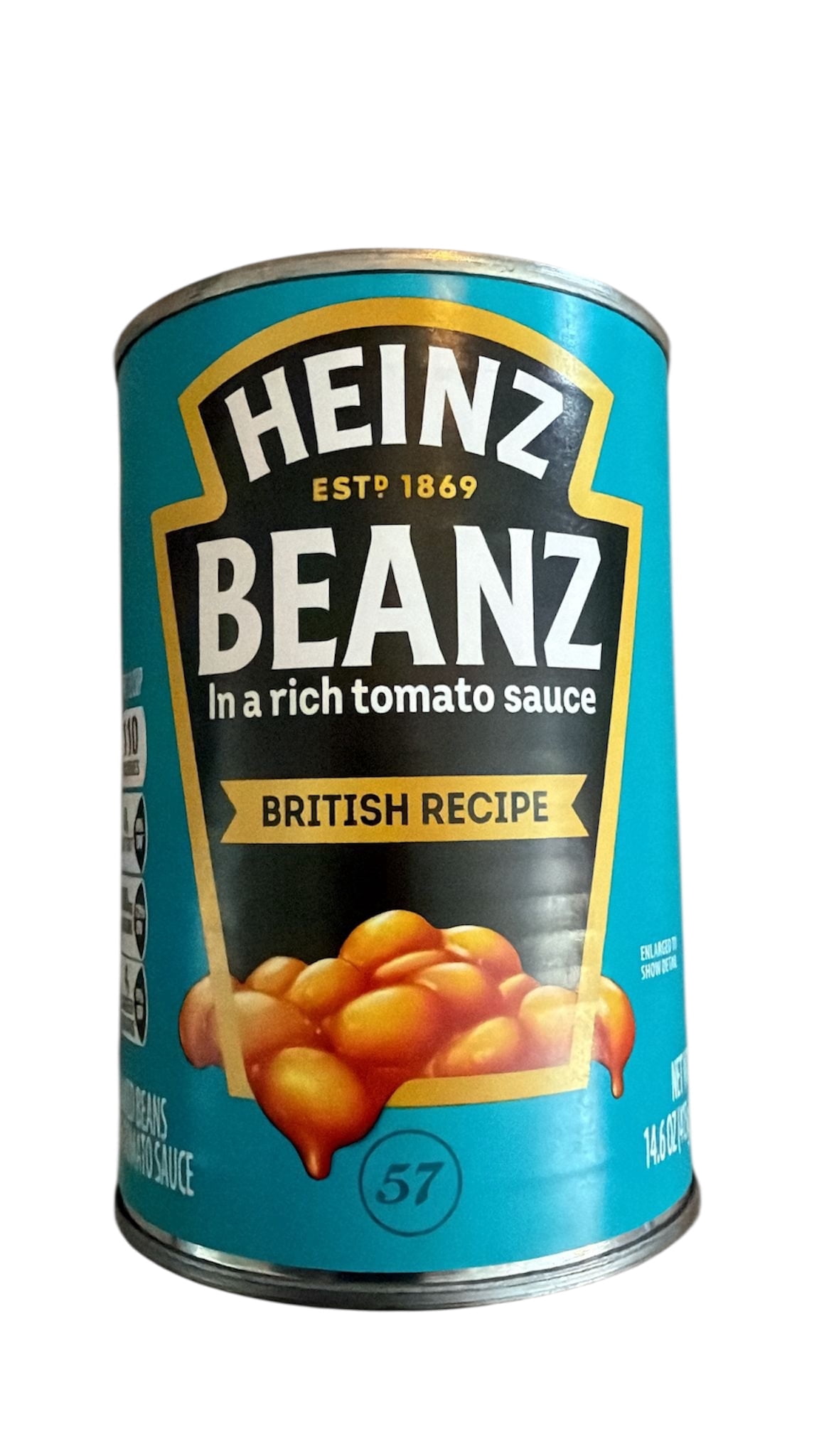
Heinz Baked Beans English Recipe contains beneficial ingredients like navy beans and tomatoes, which provide protein, fiber, and essential nutrients. However, the product is ultra-processed and includes refined sugar and unspecified 'flavours', which detract from its overall healthiness. The presence of these processed ingredients and the high level of processing limit its score.
Key ingredients 8
Navy BeansVery Good
Navy beans are a rich source of protein and dietary fiber, contributing to satiety and digestive health. They are minimally processed and provide essential nutrients such as iron and folate. Their inclusion in the diet supports heart health and blood sugar regulation.
Benefits
Rich in protein and fiber, which support digestive health and provide long-lasting energy. Contains essential nutrients like iron and folate that are beneficial for overall health.
TomatoesGood
Tomatoes are a good source of vitamins A and C, as well as antioxidants like lycopene. They are minimally processed and contribute to the overall nutritional value of the product. Lycopene in tomatoes has been linked to reduced risk of chronic diseases.
Benefits
Provides vitamins A and C, and antioxidants that support immune function and may reduce the risk of chronic diseases.
WaterNeutral
Water is used as a solvent and to adjust the consistency of the product. It is a neutral ingredient with no direct nutritional impact. Its presence ensures the product maintains the desired texture and moisture content.
See more about Water →SaltNeutral
Salt is used to enhance flavor and preserve the product. It is a common ingredient in processed foods but should be consumed in moderation. Excessive salt intake can lead to hypertension and cardiovascular issues.
Risks
High sodium intake can contribute to hypertension and cardiovascular diseases.
Benefits
Enhances flavor and acts as a preservative in food products.
Maize ThickenerNeutral
Maize thickener is used to improve the texture and consistency of the product. It is a processed ingredient derived from corn starch. While it does not provide significant nutritional benefits, it is generally considered safe for consumption.
Acetic AcidNeutral
Acetic acid is used as a food acid to enhance flavor and preserve the product. It is a common additive in processed foods and is generally recognized as safe. It contributes to the tangy taste of the product.
Benefits
Enhances flavor and acts as a preservative in food products.
SugarBad
Refined sugar is added for sweetness but contributes empty calories with no nutritional benefits. Excessive consumption of refined sugar can lead to health issues such as obesity and diabetes. It is a processed ingredient that detracts from the overall healthiness of the product.
Risks
High intake of refined sugar can lead to obesity, insulin resistance, and increased risk of chronic diseases.
FlavoursBad
The use of unspecified 'flavours' can indicate the presence of artificial or natural flavoring agents. These are often added to enhance taste but do not provide nutritional benefits. The lack of transparency about the specific ingredients used can be a concern for consumers.
Risks
Potential for allergic reactions or sensitivities due to unspecified ingredients.
Processing
Ultra-Processed Foods
Get the full breakdown in the Scout appTake Scout shopping
Scan any product to see lab results, healthy alternatives, and your personalized analysis.
Download on theApp Store GET IT ONGoogle Play