

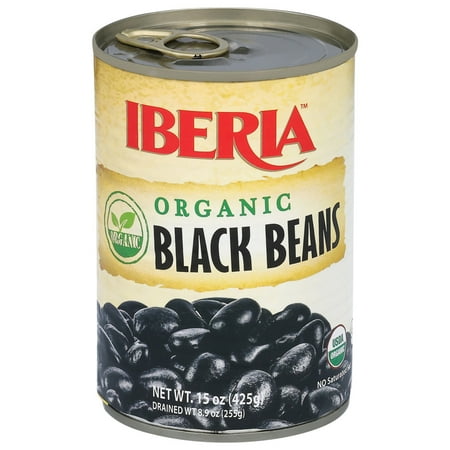
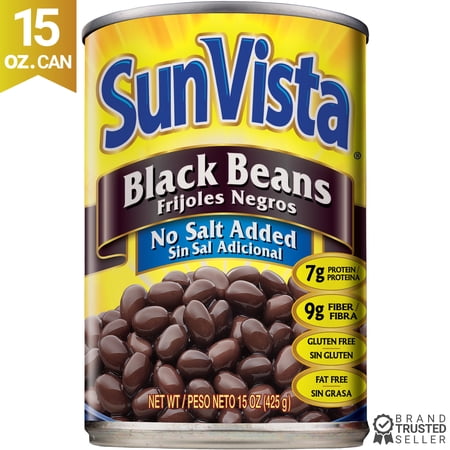

PULLED PORK AND BLACK BEANS
Analysis updated August 2026 · How Scout scores
At a glance
Summary
This product is ultra-processed, which limits its potential health score. While it contains some beneficial ingredients like apples and spices, it also includes refined sugar and natural flavors, which are less desirable. The presence of xanthan gum as an additive further indicates a higher level of processing.
Key ingredients 15
ApplesGood
Apples are a natural source of fiber and vitamin C, contributing to overall health. They are minimally processed and retain most of their nutritional value. Their natural sugars provide sweetness without the need for refined sugars.
Benefits
Rich in dietary fiber and vitamin C, supporting digestive health and immune function.
Apple cider vinegarGood
Apple cider vinegar is known for its potential health benefits, including aiding digestion and providing acetic acid. It is made through fermentation, which may enhance its probiotic content. Its acidity can help balance flavors in foods.
Risks
Excessive consumption may lead to tooth enamel erosion due to its acidity.
Benefits
May aid digestion and support gut health due to its acetic acid content.
Granulated onionGood
Granulated onion provides flavor and some nutritional benefits, including antioxidants. It is a dehydrated form of onion, retaining most of its beneficial compounds. Its use enhances the taste profile of foods without adding calories.
Benefits
Contains antioxidants and compounds that may support immune health.
Mustard flourGood
Mustard flour is made from ground mustard seeds, offering flavor and potential health benefits. It contains compounds like glucosinolates, which may have anti-inflammatory properties. Its use in foods can enhance flavor without adding significant calories.
Benefits
May provide anti-inflammatory benefits due to glucosinolate content.
SpicesGood
Spices add flavor and potential health benefits, including antioxidants and anti-inflammatory properties. They are minimally processed and can enhance the nutritional profile of foods. Their use can reduce the need for added salt and sugar.
Benefits
Rich in antioxidants and may support overall health.
Granulated garlicGood
Granulated garlic provides flavor and health benefits, including antibacterial properties. It is a dehydrated form of garlic, retaining most of its beneficial compounds. Its use can enhance flavor while offering potential health benefits.
Benefits
Contains compounds that may support immune health and reduce inflammation.
Tomato pureeNeutral
Tomato puree is a concentrated form of tomatoes, providing a rich source of vitamins and antioxidants. It is typically processed to remove water content, enhancing flavor and shelf life. While nutritious, it lacks the fiber and some nutrients found in whole tomatoes.
Benefits
Provides vitamins such as vitamin C and antioxidants like lycopene, which may support heart health.
WaterNeutral
Water is used as a solvent and to adjust the consistency of the sauce. It is a neutral ingredient with no direct nutritional impact. Its presence is essential for the texture and mixing of other ingredients.
See more about Water →MolassesNeutral
Molasses is a byproduct of sugar refining, containing some vitamins and minerals. It provides a rich flavor and color to foods. While it contains nutrients like iron and calcium, it is still a sugar source and should be consumed in moderation.
Risks
Excessive consumption may contribute to high sugar intake.
Benefits
Contains trace minerals such as iron and calcium, offering some nutritional benefits.
Modified cornstarchNeutral
Modified cornstarch is used as a thickening agent in foods, providing texture and stability. It is chemically altered to improve its performance in food processing. While it serves a functional purpose, it offers no nutritional benefits.
See more about Modified cornstarch →SaltNeutral
Salt is used to enhance flavor and preserve foods. It is a common ingredient in processed foods, contributing to sodium intake. While necessary for bodily functions, excessive consumption can lead to health issues.
Risks
High sodium intake can lead to hypertension and cardiovascular issues.
Benefits
Essential for maintaining fluid balance and nerve function.
Xanthan gumNeutral
Xanthan gum is a polysaccharide used as a thickening and stabilizing agent in foods. It is produced through fermentation and is widely used in the food industry. While functional, it offers no nutritional benefits.
Risks
May cause digestive issues in sensitive individuals when consumed in large amounts.
Calcium chlorideNeutral
Calcium chloride is used as a firming agent in foods, helping to maintain texture. It is a salt of calcium and chlorine, commonly used in food processing. While functional, it provides minimal nutritional benefits.
Benefits
Provides a source of calcium, though not significant in typical food applications.
SugarBad
Refined sugar is a high-calorie ingredient with no essential nutrients, contributing to empty calorie intake. It is associated with various health issues, including obesity and dental cavities. Its presence in processed foods can lead to excessive sugar consumption.
Risks
High intake can lead to obesity, diabetes, and dental issues.
Natural flavorBad
Natural flavor is a catch-all term for flavoring agents derived from natural sources but processed to enhance flavor. It lacks transparency, making it difficult to assess its health impact. Its use is common in processed foods to improve taste.
Risks
Lack of transparency can lead to potential allergen exposure or sensitivity reactions.
Processing
Ultra-Processed Foods
Get the full breakdown in the Scout appTake Scout shopping
Scan any product to see lab results, healthy alternatives, and your personalized analysis.
Download on theApp Store GET IT ONGoogle Play