


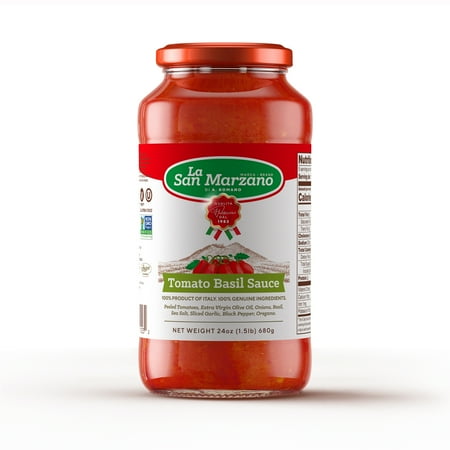
Tomato Basil Pasta Sauce
Summary
This tomato basil pasta sauce contains beneficial ingredients like tomatoes, onions, basil, and black pepper, which contribute to its nutritional value. However, the presence of sunflower seed oil, a seed oil high in omega-6 fatty acids, and the use of natural flavoring, which lacks transparency, are concerning. Additionally, the product is classified as ultra-processed, which limits its overall healthiness despite the good macros and beneficial ingredients.
At a glance
Key ingredients 9
TomatoVery Good
Tomatoes are a rich source of vitamins A and C, and antioxidants like lycopene. They are minimally processed in this sauce, retaining most of their nutritional benefits. Lycopene is known for its potential to reduce the risk of heart disease and certain cancers.
Benefits
Rich in antioxidants and vitamins that support overall health and may reduce the risk of chronic diseases.
OnionGood
Onions provide flavor and are a good source of vitamins and antioxidants. They are used in their natural form, contributing to the sauce's nutritional profile. Onions have anti-inflammatory properties and may support heart health.
Benefits
Contains antioxidants and compounds that may support heart health and reduce inflammation.
BasilGood
Basil is an herb that adds flavor and contains essential oils with potential health benefits. It is used in small quantities but can contribute to the sauce's antioxidant content. Basil may have anti-inflammatory and antibacterial properties.
Benefits
Provides antioxidants and may have anti-inflammatory and antibacterial effects.
Thickener 1442Neutral
Thickener 1442, also known as hydroxypropyl distarch phosphate, is used to improve texture. It is a modified starch that is generally recognized as safe. It does not contribute significant nutritional value.
SaltNeutral
Salt is used for flavor enhancement and preservation. While necessary in small amounts, excessive consumption can lead to health issues such as hypertension. The amount in this sauce should be consumed in moderation.
Risks
Excessive salt intake can lead to high blood pressure and cardiovascular issues.
Benefits
Enhances flavor and acts as a preservative.
Sunflower Seed OilVery Bad
Sunflower seed oil is a seed oil high in omega-6 fatty acids, which can promote inflammation if consumed in excess. It is often processed using high heat and chemicals, which can degrade its nutritional quality. Alternatives like olive oil would provide healthier fats.
Risks
High omega-6 content may promote inflammation when consumed in excess.
Lactic AcidNeutral
Lactic acid is used as a preservative and to add acidity. It is naturally occurring and generally recognized as safe. It does not provide significant nutritional benefits.
Benefits
Helps preserve the product and enhance flavor.
Natural FlavouringBad
Natural flavouring is a catch-all term that can include a variety of substances, some of which may be highly processed. The lack of transparency can be concerning for those with allergies or sensitivities. It does not contribute nutritional value.
Risks
Potential allergens and sensitivities due to lack of transparency in ingredient composition.
Black PepperGood
Black pepper is a spice that adds flavor and contains piperine, which may enhance nutrient absorption. It is used in small amounts but can contribute to the overall flavor profile. Piperine has potential anti-inflammatory and antioxidant effects.
Benefits
May enhance nutrient absorption and provide antioxidant benefits.
Processing
Ultra-Processed Foods
Get the full breakdown in the Scout app
Scan any product to see lab results, healthy alternatives, and your personalized analysis.
Download on theApp Store