
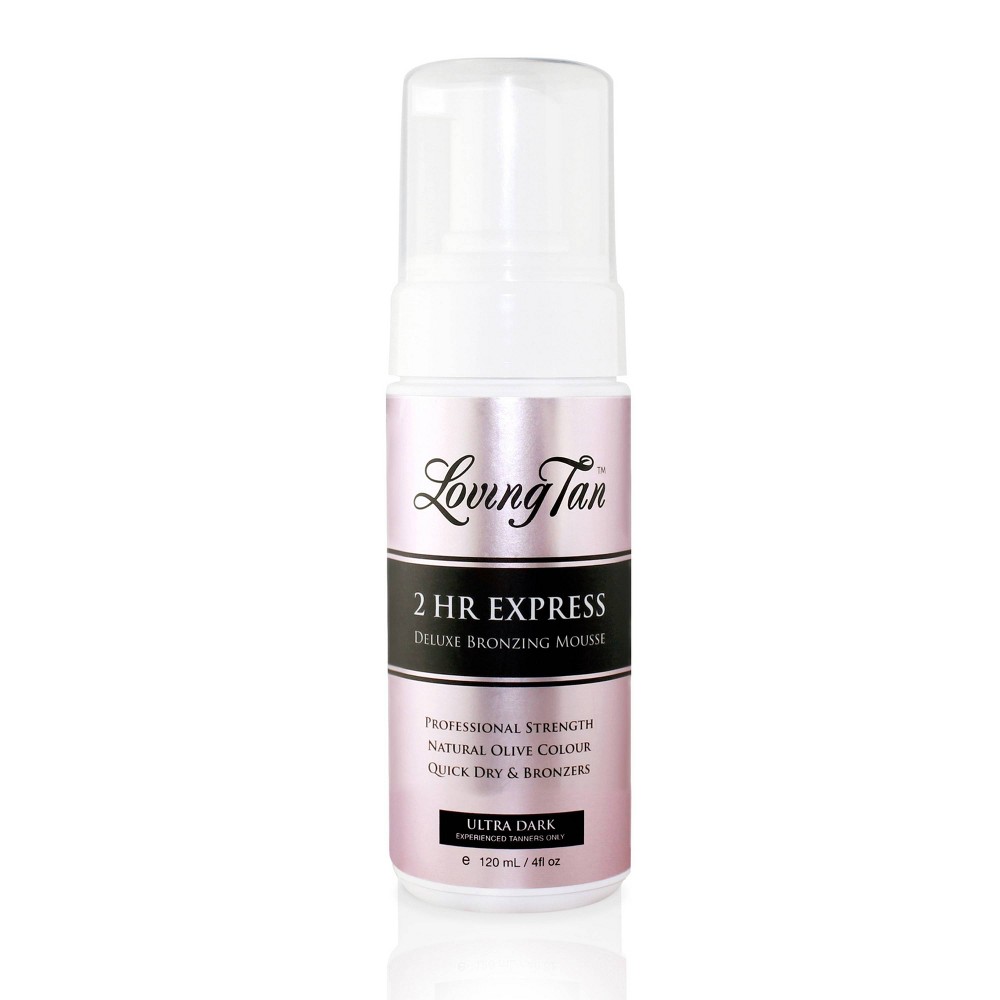

Loving Tan 2hr Express Self Tanning Mousse - Ultra Dark - 4 fl oz - Ulta Beauty: Paraben-Free, Contains Aloe Formula
Analysis updated July 2026 · How Scout scores
At a glance
Summary
This self-tanning mousse contains several synthetic ingredients, including phenoxyethanol and synthetic fragrance, which can be concerning for sensitive skin. However, it also includes beneficial components like aloe vera and witch hazel, which provide soothing properties. The presence of artificial dyes and fragrance contributes to its moderate processing level, impacting its overall safety score.
Key ingredients 25
PanthenolVery Good
Panthenol, also known as provitamin B5, is a moisturizing agent that helps improve skin hydration and elasticity. It is known for its soothing and anti-inflammatory properties. It is widely used in skincare for its ability to enhance skin barrier function.
Risks
Rarely causes irritation or allergic reactions.
Benefits
Improves skin hydration and soothes irritation, enhancing skin barrier function.
Aloe Barbadensis (Aloe Vera) Leaf JuiceVery Good
Aloe Vera is renowned for its soothing, moisturizing, and healing properties. It is effective in calming irritated skin and providing hydration. It is widely used in skincare for its beneficial effects on the skin.
Risks
Generally safe with minimal risk of irritation.
Benefits
Soothes and hydrates the skin, promoting healing and reducing irritation.
Hamamelis Virginiana (Witch Hazel) WaterGood
Witch Hazel is known for its astringent and anti-inflammatory properties. It can help soothe skin and reduce irritation. It is generally well-tolerated and beneficial for calming the skin.
Risks
Overuse can lead to dryness or irritation in sensitive skin.
Benefits
Soothes and calms irritated skin, providing anti-inflammatory benefits.
Decyl GlucosideGood
Decyl Glucoside is a mild, non-ionic surfactant derived from glucose and coconut oil. It is gentle on the skin and suitable for sensitive skin types. It is biodegradable and considered environmentally friendly.
Risks
Generally considered safe with minimal risk of irritation.
Benefits
Provides gentle cleansing without stripping natural oils from the skin.
Water (Aqua/Eau)Neutral
Water is a common solvent used in cosmetic formulations. It helps dissolve other ingredients and provides a base for the product. It does not have any direct benefits or risks.
Risks
There are no significant risks associated with water in cosmetics.
Benefits
Water acts as a carrier for other ingredients, allowing them to be evenly distributed.
DihydroxyacetoneNeutral
Dihydroxyacetone (DHA) is the active ingredient in self-tanners, reacting with the skin's amino acids to produce a tan. It is generally considered safe for topical use. However, it can cause skin irritation in some individuals.
Risks
Potential skin irritation or allergic reactions in sensitive individuals.
Benefits
Provides a temporary tanning effect without sun exposure.
EthoxydiglycolNeutral
Ethoxydiglycol is a solvent and carrier used in cosmetics to improve the texture and spreadability of products. It is generally considered safe for use in cosmetics. However, it can cause irritation in sensitive skin.
Risks
Potential for skin irritation in sensitive individuals.
Benefits
Improves product texture and helps dissolve other ingredients.
ErythruloseNeutral
Erythrulose is a sugar-based ingredient used in self-tanners to provide a more natural-looking tan. It works similarly to DHA but develops more slowly. It is generally safe but can cause mild irritation.
Risks
May cause mild skin irritation.
Benefits
Provides a natural-looking tan with a slower development time.
EthylhexylglycerinNeutral
Ethylhexylglycerin is used as a skin conditioning agent and preservative enhancer. It is generally considered safe and non-irritating. It can improve the efficacy of other preservatives in the formulation.
Risks
Minimal risk of irritation or allergic reactions.
Benefits
Enhances the effectiveness of preservatives and conditions the skin.
Juglans Nigra (Black Walnut) Shell ExtractNeutral
Black Walnut Shell Extract is used for its coloring properties in self-tanners. It is generally safe but can cause allergic reactions in individuals sensitive to nuts. It provides a natural color to the skin.
Risks
Potential allergen for individuals with nut allergies.
Benefits
Provides natural coloring for a tanned appearance.
Hydroxypropyl MethylcelluloseNeutral
Hydroxypropyl Methylcellulose is used as a thickening agent in cosmetics. It is generally considered safe and non-irritating. It helps improve the texture and consistency of the product.
Risks
Minimal risk of irritation or allergic reactions.
Benefits
Improves product texture and consistency.
Sodium MetabisulfiteNeutral
Sodium Metabisulfite is used as a preservative and antioxidant in cosmetics. It can cause allergic reactions in sensitive individuals, particularly those with sulfite sensitivity. It helps prevent oxidation and spoilage of the product.
Risks
Potential allergen for individuals with sulfite sensitivity.
Benefits
Prevents oxidation and extends product shelf life.
Dimethicone PEG-8 PhosphateNeutral
Dimethicone PEG-8 Phosphate is a silicone-based ingredient used for its conditioning and smoothing properties. It is generally considered safe and non-irritating. It helps improve the feel and application of the product.
Risks
Minimal risk of irritation or allergic reactions.
Benefits
Conditions and smooths the skin, enhancing product application.
AlcoholNeutral
Alcohol is used as a solvent and astringent in cosmetics. It can be drying and irritating to the skin, especially in high concentrations. It helps dissolve other ingredients and provides a quick-drying effect.
Risks
Can cause dryness and irritation, particularly in sensitive skin.
Benefits
Acts as a solvent and provides a quick-drying effect.
Citric AcidNeutral
Citric Acid is used to adjust the pH of cosmetic formulations. It is generally considered safe and non-irritating in low concentrations. It helps maintain the stability and effectiveness of the product.
Risks
Potential for irritation in high concentrations.
Benefits
Helps maintain product stability and effectiveness by adjusting pH.
Benzyl BenzoateNeutral
Benzyl Benzoate is used as a fragrance ingredient and solvent in cosmetics. It can cause skin irritation and allergic reactions in some individuals. It is generally considered safe in low concentrations.
Risks
May cause skin irritation and allergic reactions.
Benefits
Acts as a solvent and fragrance component.
Benzyl SalicylateNeutral
Benzyl Salicylate is used as a fragrance ingredient and UV light absorber in cosmetics. It can cause allergic reactions and skin irritation in sensitive individuals. It is generally considered safe in low concentrations.
Risks
Potential for allergic reactions and skin irritation.
Benefits
Provides fragrance and UV light absorption.
CoumarinNeutral
Coumarin is used as a fragrance ingredient in cosmetics. It can cause allergic reactions in sensitive individuals. It is generally considered safe in low concentrations.
Risks
Potential allergen for sensitive individuals.
Benefits
Provides a pleasant fragrance to the product.
CI 16035 (FD&C Red 40)Neutral
FD&C Red 40 is a synthetic dye used to impart color to cosmetics. It is generally considered safe for use in cosmetics. However, it can cause allergic reactions in some individuals.
Risks
Potential for allergic reactions in sensitive individuals.
Benefits
Provides vibrant color to the product.
CI 17200 (D&C Red 33)Neutral
D&C Red 33 is a synthetic dye used to impart color to cosmetics. It is generally considered safe for use in cosmetics. However, it can cause allergic reactions in some individuals.
Risks
Potential for allergic reactions in sensitive individuals.
Benefits
Provides vibrant color to the product.
CI 19140 (FD&C Yellow 5)Neutral
FD&C Yellow 5 is a synthetic dye used to impart color to cosmetics. It is generally considered safe for use in cosmetics. However, it can cause allergic reactions in some individuals.
Risks
Potential for allergic reactions in sensitive individuals.
Benefits
Provides vibrant color to the product.
CI 42090 (FD&C Blue 1)Neutral
FD&C Blue 1 is a synthetic dye used to impart color to cosmetics. It is generally considered safe for use in cosmetics. However, it can cause allergic reactions in some individuals.
Risks
Potential for allergic reactions in sensitive individuals.
Benefits
Provides vibrant color to the product.
Propylene GlycolBad
Propylene Glycol is used as a humectant and solvent in cosmetics. It can cause skin irritation and allergic reactions in some people. It is also a penetration enhancer, which can increase the absorption of other ingredients.
Risks
May cause skin irritation and enhance the penetration of potentially harmful substances.
Benefits
Helps retain moisture in the skin and improves texture.
PhenoxyethanolBad
Phenoxyethanol is a preservative used to prevent microbial growth in cosmetics. It can cause skin irritation and allergic reactions in some individuals. It is considered a potential irritant, especially in high concentrations.
Risks
May cause skin irritation and allergic reactions.
Benefits
Prevents microbial growth, extending the shelf life of the product.
Fragrance (Parfum)Very Bad
Fragrance is often a mixture of various chemicals used to impart scent to products. It is a common cause of allergic reactions and skin irritation. The exact composition is usually undisclosed, making it difficult to assess safety.
Risks
High potential for skin irritation and allergic reactions.
Benefits
Provides a pleasant scent to the product.
Get the full breakdown in the Scout appTake Scout shopping
Scan any product to see lab results, healthy alternatives, and your personalized analysis.
Download on theApp Store GET IT ONGoogle PlayAmazon pricing & content
Amazon price as of . Product prices and availability are accurate as of the date/time indicated and are subject to change. Any price and availability information displayed on Amazon.com at the time of purchase will apply to the purchase of this product.
CERTAIN CONTENT THAT APPEARS ON THIS SITE COMES FROM AMAZON. THIS CONTENT IS PROVIDED “AS IS” AND IS SUBJECT TO CHANGE OR REMOVAL AT ANY TIME.