


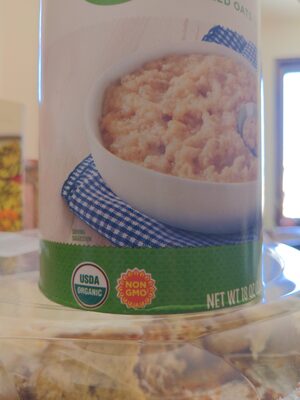
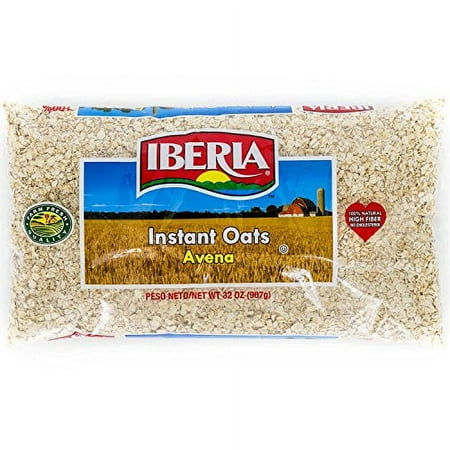

protein instant oats
Analysis updated September 2026 · How Scout scores
At a glance
Summary
This product is ultra-processed due to the inclusion of soy protein isolate and soy lecithin, which are highly processed ingredients. While the instant oats provide beneficial fiber and nutrients, the overall processing level and presence of processed soy components limit its healthfulness. The product's clean label with minimal additives is a positive aspect, but it cannot fully offset the impact of the processing level.
Key ingredients 5
Instant oatsGood
Instant oats are a whole grain that provides a good source of dietary fiber and essential nutrients. They are minimally processed compared to other grains, retaining most of their nutritional value. Oats can help lower cholesterol levels and support heart health.
Benefits
Rich in beta-glucan, a type of soluble fiber that can help reduce cholesterol and improve heart health. Provides a good source of vitamins, minerals, and antioxidants.
Tapioca starchNeutral
Tapioca starch is a refined carbohydrate used as a thickening agent. It is gluten-free and commonly used in processed foods. It provides no significant nutritional benefits beyond carbohydrates.
Benefits
Offers a gluten-free alternative for thickening and texture in food products.
SaltNeutral
Salt is used to enhance flavor and preserve food. It is a common ingredient in many processed foods. Excessive consumption can lead to health issues such as high blood pressure.
Risks
High sodium intake is associated with increased risk of hypertension and cardiovascular diseases.
Benefits
Essential for maintaining fluid balance and nerve function in the body.
Soy protein isolateBad
Soy protein isolate is a highly processed form of soy protein used to increase protein content. It lacks the complete amino acid profile found in animal-based proteins. The processing methods can reduce the bioavailability of certain nutrients.
Risks
May contain anti-nutrients that can interfere with mineral absorption and may cause digestive issues in some individuals.
Benefits
Provides a plant-based protein source that is suitable for vegans and vegetarians.
Soy lecithinBad
Soy lecithin is an emulsifier derived from soybeans, often used to improve texture and shelf life. It is a processed ingredient that may contain traces of solvents used in extraction. While generally recognized as safe, it is not a significant source of nutrients.
Risks
May cause allergic reactions in individuals sensitive to soy.
Benefits
Helps improve the texture and consistency of food products.
Processing
Ultra-Processed Foods
Get the full breakdown in the Scout appTake Scout shopping
Scan any product to see lab results, healthy alternatives, and your personalized analysis.
Download on theApp Store GET IT ONGoogle Play