
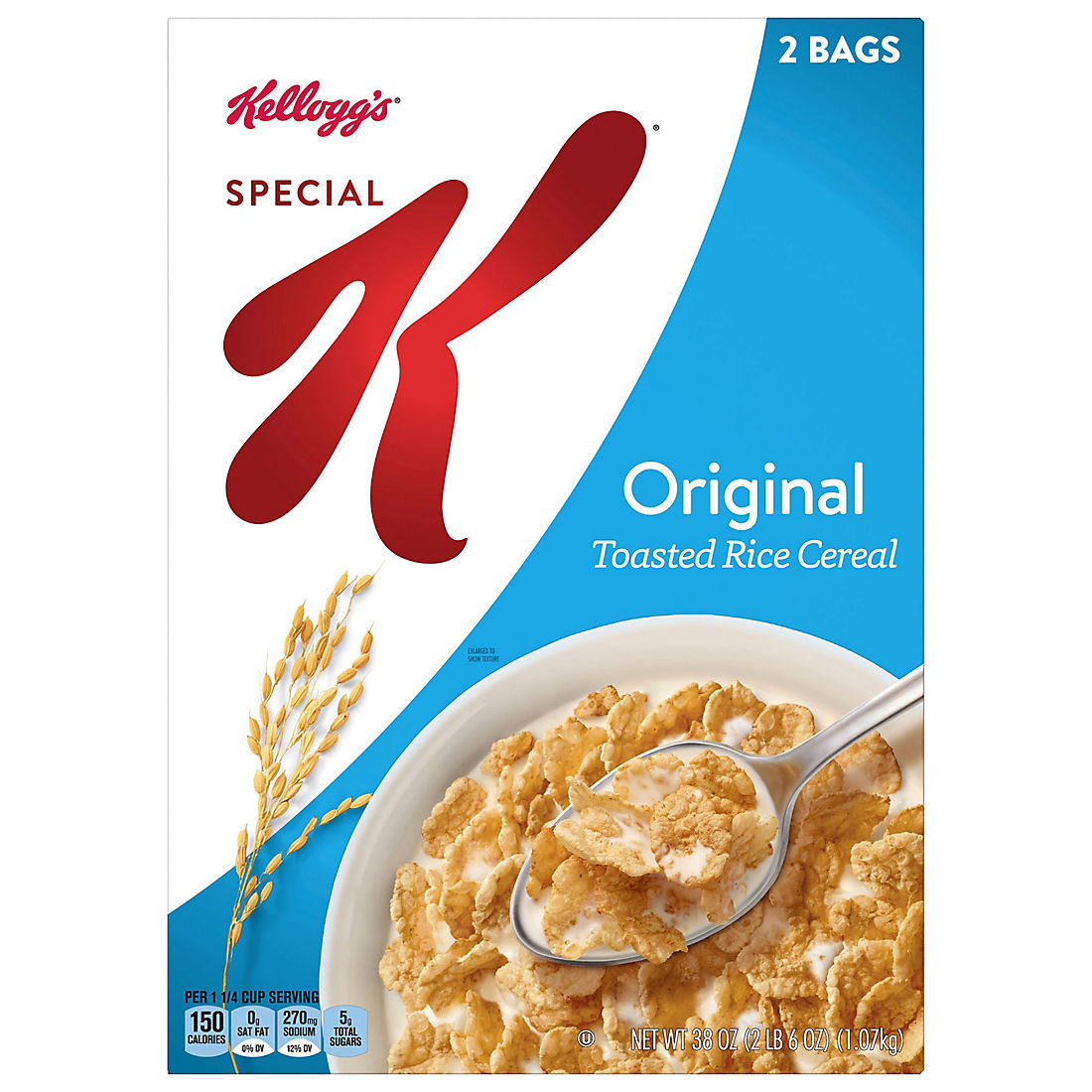



Kellogg's Special K Cereal .81oz
Analysis updated May 2026 · How Scout scores
At a glance
Summary
This cereal is ultra-processed, which limits its health score despite containing some beneficial ingredients like rice and defatted wheat germ. The presence of added sugar and a high level of processing detracts from its nutritional value. While it includes vitamins and minerals, the overall ingredient list and processing level prevent it from being rated higher.
Key ingredients 10
RiceGood
Rice is a staple grain that provides carbohydrates for energy. It is minimally processed and generally well-tolerated by most people. As a gluten-free grain, it is suitable for those with gluten sensitivities.
Benefits
Provides a source of carbohydrates that can be easily digested and used for energy.
Defatted Wheat GermGood
Defatted wheat germ is a nutrient-rich component of wheat that provides vitamins, minerals, and fiber. The defatting process removes oil to extend shelf life while retaining nutritional value. It is a good source of B vitamins and antioxidants.
Benefits
Rich in vitamins and minerals, particularly B vitamins, and provides dietary fiber.
Calcium CaseinateGood
Calcium caseinate is a protein derived from milk that is rich in amino acids. It is processed to improve solubility and absorption. This protein is beneficial for muscle maintenance and provides a slow release of amino acids.
Risks
May not be suitable for individuals with dairy allergies.
Benefits
Provides a sustained release of amino acids, supporting muscle maintenance and growth.
Vitamin C (Ascorbic Acid)Good
Vitamin C is an essential nutrient that supports immune function and acts as an antioxidant. It is added to foods to enhance nutritional value and prevent deficiency. Ascorbic acid is a stable form of vitamin C used in food fortification.
Benefits
Supports immune health and acts as an antioxidant, protecting cells from damage.
Wheat GlutenNeutral
Wheat gluten is a protein derived from wheat that can enhance the protein content of foods. It is highly processed to isolate the gluten protein. While it is beneficial for increasing protein content, it is not suitable for those with gluten intolerance or celiac disease.
Risks
May cause adverse reactions in individuals with gluten intolerance or celiac disease.
Benefits
Increases the protein content of the product, which can be beneficial for muscle maintenance and growth.
SaltNeutral
Salt is used to enhance flavor and preserve food. It is a common additive in processed foods. While necessary in small amounts, excessive intake can lead to health issues such as hypertension.
Risks
High sodium intake can contribute to hypertension and cardiovascular disease.
Benefits
Essential for maintaining fluid balance and nerve function in the body.
WheyNeutral
Liquid whey as a minor dairy ingredient — benign.
Risks
May cause digestive issues in individuals with lactose intolerance.
Benefits
Excellent source of protein that supports muscle growth and repair.
Malt FlavorNeutral
Malt flavor is used to enhance the taste of food products. It is derived from malted barley and adds a sweet, nutty flavor. While it enhances flavor, it does not provide significant nutritional benefits.
Benefits
Enhances the flavor profile of the product.
Reduced IronNeutral
Standard formulation ingredient — neither beneficial nor harmful at typical use.
Risks
Excessive iron intake can lead to toxicity, especially in individuals with hemochromatosis.
Benefits
Essential for preventing anemia and supporting overall energy levels.
SugarBad
Refined sugar is added to enhance sweetness but provides no nutritional benefits. It is highly processed and can contribute to health issues like obesity and diabetes when consumed in excess. The presence of sugar in cereals is often criticized for contributing to excessive sugar intake.
Risks
Excessive consumption can lead to weight gain, increased risk of type 2 diabetes, and dental cavities.
Processing
Ultra-Processed Foods
Get the full breakdown in the Scout appTake Scout shopping
Scan any product to see lab results, healthy alternatives, and your personalized analysis.
Download on theApp Store GET IT ONGoogle PlayAmazon pricing & content
Amazon price as of . Product prices and availability are accurate as of the date/time indicated and are subject to change. Any price and availability information displayed on Amazon.com at the time of purchase will apply to the purchase of this product.
CERTAIN CONTENT THAT APPEARS ON THIS SITE COMES FROM AMAZON. THIS CONTENT IS PROVIDED “AS IS” AND IS SUBJECT TO CHANGE OR REMOVAL AT ANY TIME.