
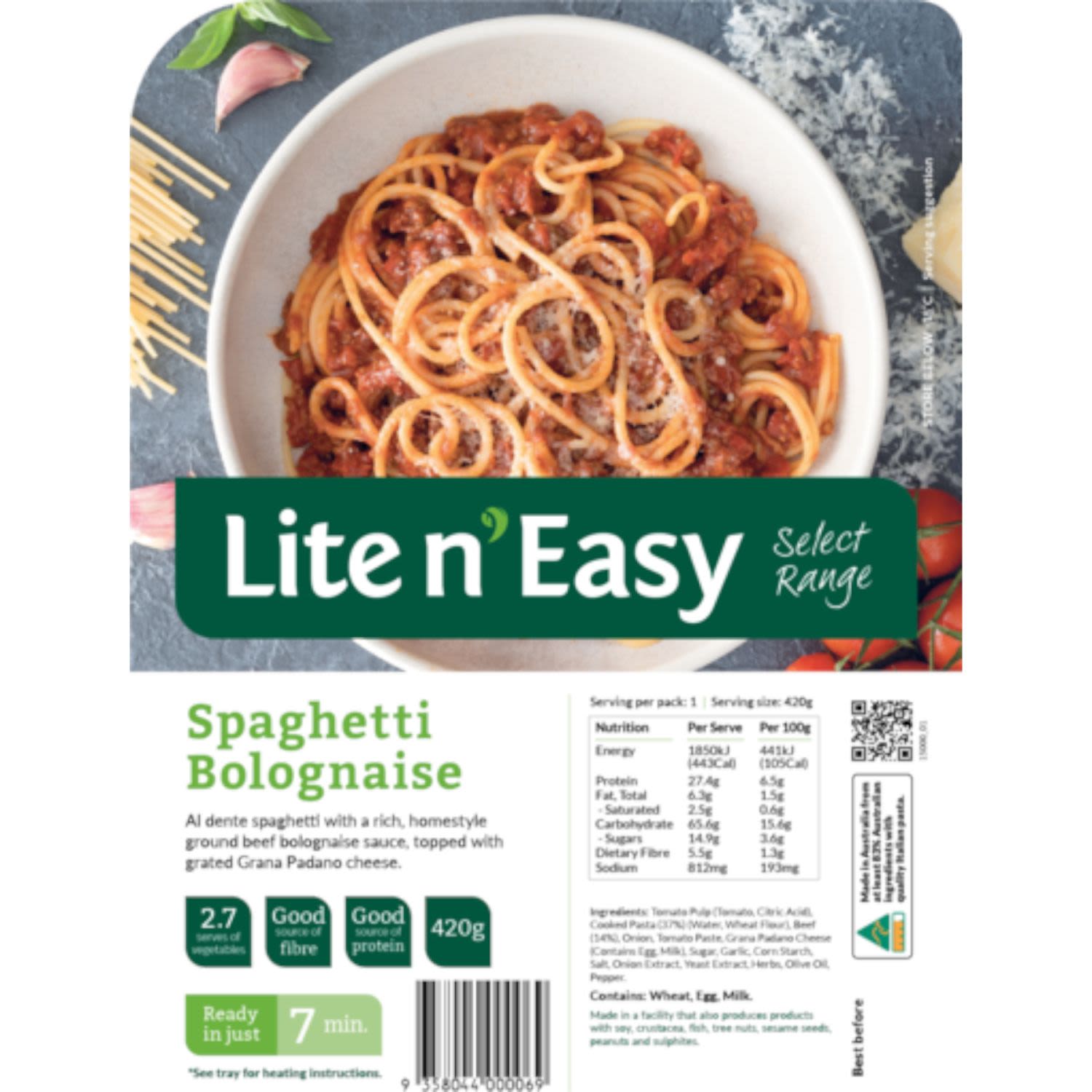



Spagetti Bolognaise
Summary
This spaghetti bolognese contains beneficial ingredients like tomato pulp, beef, onion, and tomato paste, which are rich in nutrients and antioxidants. However, it is a processed food, which limits its score potential. Despite the presence of quality ingredients, the processing level prevents it from achieving a higher rating.
At a glance
Key ingredients 8
Tomato PulpGood
Tomato pulp is a minimally processed ingredient rich in vitamins and antioxidants. It provides lycopene, which is linked to reduced risk of chronic diseases. The pulp retains much of the tomato's natural nutrients.
Benefits
Rich in lycopene and vitamin C, which support immune function and may reduce inflammation.
Cooked PastaNeutral
Cooked pasta is a staple carbohydrate source made from wheat flour and water. It provides energy but lacks significant micronutrients. The processing involves boiling, which does not add harmful substances.
Risks
May contribute to high blood sugar levels if consumed in excess due to its carbohydrate content.
Benefits
Provides a source of energy and can be part of a balanced diet when consumed with other nutrient-rich foods.
BeefGood
Beef is a high-quality source of protein and essential nutrients like iron and vitamin B12. Grass-fed beef is preferable for its higher omega-3 content. It supports muscle growth and maintenance.
Risks
Excessive consumption of red meat may be linked to increased risk of certain diseases.
Benefits
Rich in protein and essential nutrients, supporting muscle health and energy levels.
OnionGood
Onions are a natural ingredient rich in antioxidants and sulfur compounds. They may support heart health and have anti-inflammatory properties. Onions add flavor and nutritional value to dishes.
Benefits
Contains antioxidants and compounds that may support heart health and reduce inflammation.
Tomato PasteGood
Tomato paste is a concentrated source of tomatoes, providing a rich supply of lycopene and other antioxidants. It enhances flavor and nutritional content in dishes. The concentration process retains beneficial compounds.
Benefits
High in lycopene, which may reduce the risk of certain chronic diseases and support heart health.
Citric AcidNeutral
Citric acid is a natural preservative and flavor enhancer commonly used in food products. It is generally recognized as safe when used in moderation. It helps maintain the stability and freshness of the product.
Risks
Excessive consumption may cause digestive discomfort in sensitive individuals.
Benefits
Helps preserve food and enhance flavor without significant health risks when used appropriately.
WaterNeutral
Water is a fundamental ingredient used in cooking and processing foods. It is essential for hydration and does not contribute calories or nutrients. In this context, it acts as a medium for cooking and mixing ingredients.
Benefits
Essential for hydration and acts as a solvent in food preparation.
Wheat FlourNeutral
Wheat flour is a common ingredient in pasta, providing carbohydrates and some protein. It is a staple food ingredient but lacks significant micronutrients. The processing involves milling, which removes some fiber and nutrients.
Risks
May cause allergic reactions in individuals with gluten intolerance or celiac disease.
Benefits
Provides energy and is a versatile ingredient in many culinary applications.
Processing
Processed Foods
Get the full breakdown in the Scout app
Scan any product to see lab results, healthy alternatives, and your personalized analysis.
Download on theApp Store