

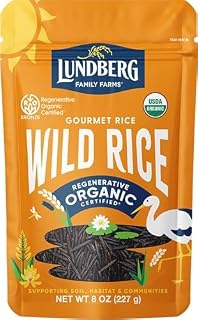


At a glance
Summary
This product is a processed food with added sugar, which contributes to increased calorie intake without essential nutrients, potentially leading to health issues like obesity and dental cavities. While it contains beneficial iron fortification, the presence of sugar and its processed nature limit its healthiness compared to whole grains. The inclusion of vitamins and minerals is positive, but the overall processing level and sugar content prevent a higher score.
Key ingredients 7
Mineral (Iron)Good
Iron is an essential mineral important for oxygen transport in the blood. Fortification helps prevent iron deficiency anemia, especially in populations with limited dietary iron sources. It is crucial for energy production and immune function.
Risks
Excessive iron intake can lead to toxicity, particularly in individuals with hemochromatosis.
Benefits
Supports red blood cell production and prevents anemia. Essential for energy metabolism and cognitive function.
RiceNeutral
Rice is a staple carbohydrate source providing energy. It is minimally processed in this form, retaining its natural properties. However, it lacks significant nutritional diversity compared to whole grains.
Benefits
Provides a source of carbohydrates for energy. It is generally well-tolerated and gluten-free, making it suitable for many diets.
SaltNeutral
Salt is used to enhance flavor but provides no additional nutritional benefits. It is a refined product lacking trace minerals found in unrefined salts. Excessive consumption can lead to health issues.
Risks
High sodium intake is linked to hypertension and cardiovascular diseases.
Benefits
Essential for maintaining fluid balance and nerve function in the body.
Barley Malt ExtractNeutral
Barley malt extract is used as a natural sweetener and flavor enhancer. It is derived from barley, which contains gluten, making it unsuitable for those with celiac disease. It provides some vitamins and minerals but in minimal amounts.
Risks
Contains gluten, which can be problematic for individuals with gluten intolerance or celiac disease.
Benefits
May provide trace amounts of vitamins and minerals, contributing to flavor and color in foods.
Vitamins (Niacin, Thiamin, Riboflavin)Neutral
These B vitamins are essential for energy metabolism and maintaining healthy skin and nerves. Fortification helps prevent deficiencies in populations with limited dietary intake. They are water-soluble and generally safe in recommended amounts.
Benefits
Support energy production and overall metabolic health. Important for maintaining healthy skin, nerves, and digestion.
Contains Gluten Containing CerealsNeutral
Gluten-containing cereals provide dietary fiber and essential nutrients. However, they are unsuitable for individuals with gluten intolerance or celiac disease. They contribute to the texture and structure of baked goods.
Risks
Can cause adverse reactions in individuals with gluten intolerance or celiac disease.
Benefits
Provide dietary fiber and essential nutrients, supporting digestive health and satiety.
SugarBad
Refined sugar contributes to increased calorie intake without providing essential nutrients. It is associated with various health issues such as obesity and dental cavities. Excessive consumption can lead to metabolic disorders.
Risks
High intake of refined sugar can lead to obesity, insulin resistance, and increased risk of chronic diseases.
Processing
Processed Foods
Get the full breakdown in the Scout appTake Scout shopping
Scan any product to see lab results, healthy alternatives, and your personalized analysis.
Download on theApp Store GET IT ONGoogle Play