
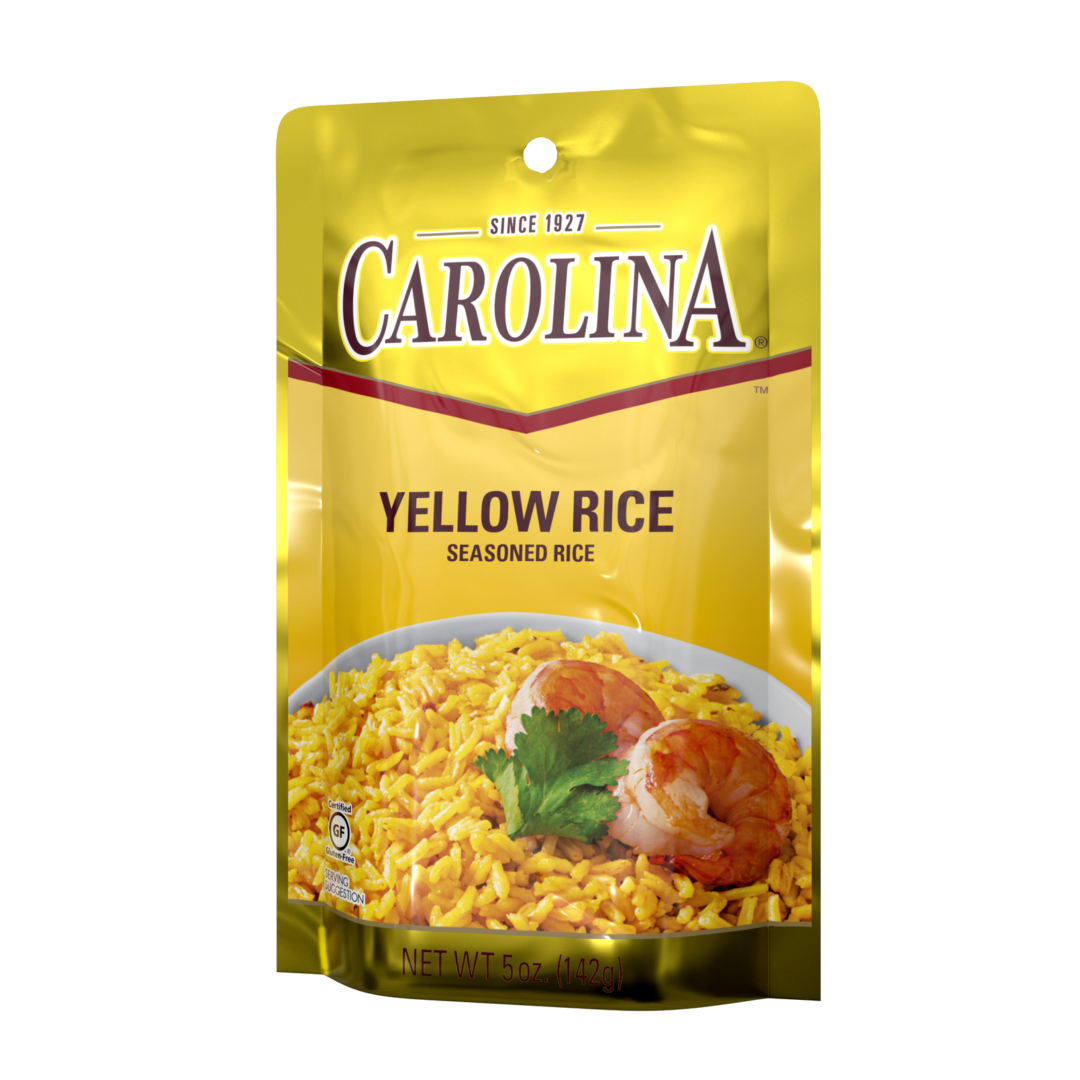


Yellow Rice
Analysis updated June 2026 · How Scout scores
At a glance
Summary
This yellow rice product contains beneficial ingredients like turmeric, onion, and garlic, which offer health benefits and enhance flavor. However, the presence of sunflower oil, a seed oil high in omega-6 fatty acids, and processed additives like sunflower lecithin and natural flavor, detract from its nutritional quality. The product is moderately processed, which limits its score despite the inclusion of some healthy components.
Key ingredients 10
Long Grain RiceGood
Long grain rice is a staple carbohydrate source that provides energy. It is minimally processed and retains some nutritional value. It is a versatile ingredient that can be part of a balanced diet.
Benefits
Provides a source of carbohydrates for energy and is low in fat.
Sea SaltGood
Unrefined sea salt — a minimally processed, natural source of sodium and essential trace minerals, and a legitimate whole-food seasoning. Treated as a positive ingredient.
Risks
Excessive sodium intake can lead to high blood pressure and cardiovascular issues.
Benefits
Provides essential sodium for electrolyte balance in moderation.
TurmericGood
Turmeric is a spice known for its anti-inflammatory and antioxidant properties. It contains curcumin, which has been studied for various health benefits. Its use in food can enhance flavor and provide health benefits.
Benefits
Contains curcumin, which may reduce inflammation and provide antioxidant benefits.
OnionGood
Onion is a natural ingredient that adds flavor and nutrients to dishes. It contains antioxidants and compounds that may support heart health. Its inclusion in foods can enhance both taste and nutritional value.
Benefits
Rich in antioxidants and may support heart health.
GarlicGood
Garlic is a flavorful ingredient with potential health benefits, including antimicrobial and cardiovascular support. It contains allicin, which has been studied for its health-promoting properties. Its use in cooking can enhance both flavor and health benefits.
Benefits
May support cardiovascular health and has antimicrobial properties.
WaterNeutral
Water is a neutral ingredient used as a solvent and carrier in food products. It does not contribute any calories or nutrients. Its presence is essential for the cooking process and texture of the rice.
See more about Water →Yeast ExtractBad
Concentrated glutamate source — MSG-adjacent flavor enhancer.
Risks
May contribute to high sodium intake if consumed in large quantities.
Benefits
Provides flavor enhancement and contains some B vitamins.
Sunflower LecithinBad
Sunflower lecithin is used as an emulsifier in processed foods. It is derived from sunflower seeds and can contain trace amounts of beneficial phospholipids. However, it is a processed additive with limited nutritional value.
Risks
May cause digestive issues in sensitive individuals.
Benefits
Contains phospholipids that can support cell membrane health.
Natural FlavorBad
Natural flavor is a vague term that can encompass a wide range of substances used to enhance taste. It lacks transparency and can include processed ingredients. Its use is often criticized for not providing clear information about its composition.
Risks
Lack of transparency can be concerning for individuals with allergies or sensitivities.
Sunflower OilVery Bad
Sunflower oil is a seed oil high in omega-6 fatty acids, which can promote inflammation if consumed excessively. It is often highly processed, which can reduce its nutritional quality. Compared to healthier fats, it lacks beneficial monounsaturated fats.
Risks
High omega-6 content may promote inflammation when consumed in excess.
Processing
Processed Foods
Get the full breakdown in the Scout appTake Scout shopping
Scan any product to see lab results, healthy alternatives, and your personalized analysis.
Download on theApp Store GET IT ONGoogle PlayAmazon pricing & content
Amazon price as of . Product prices and availability are accurate as of the date/time indicated and are subject to change. Any price and availability information displayed on Amazon.com at the time of purchase will apply to the purchase of this product.
CERTAIN CONTENT THAT APPEARS ON THIS SITE COMES FROM AMAZON. THIS CONTENT IS PROVIDED “AS IS” AND IS SUBJECT TO CHANGE OR REMOVAL AT ANY TIME.