


At a glance
Summary
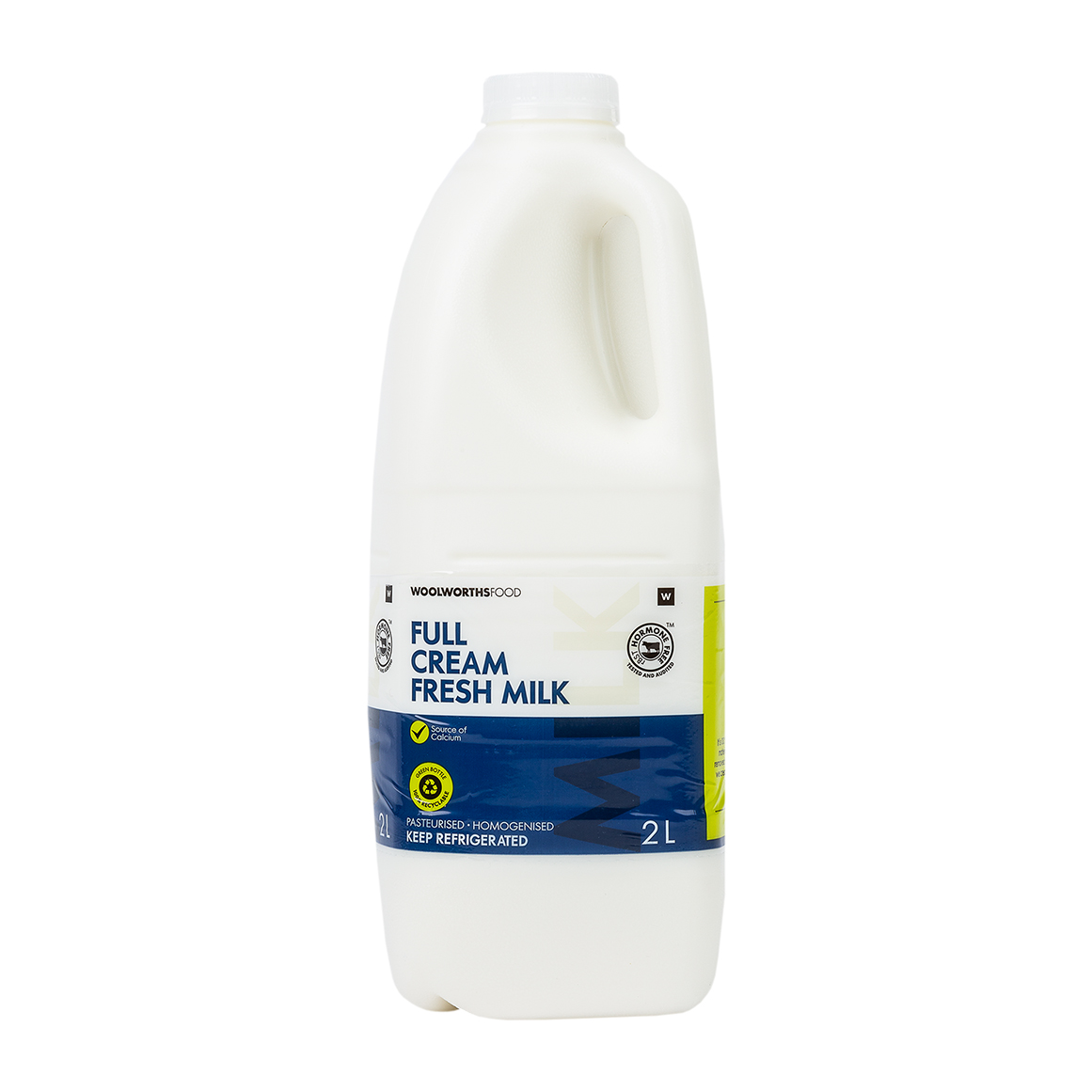
This full cream milk is ultra-processed, which limits its potential health score. It contains beneficial vitamins like A and D3, which enhance its nutritional profile. However, the presence of soya lecithin and a permitted stabilizer, both processed additives, detracts from its overall quality.
Key ingredients 6
Vitamin D3Good
Vitamin D3 is a fat-soluble vitamin crucial for calcium absorption and bone health. It is often added to dairy products to enhance their nutritional profile. Fortification with vitamin D3 helps prevent deficiencies, especially in regions with limited sunlight exposure.
Risks
Excessive intake can lead to toxicity, but this is rare from fortified foods alone.
Benefits
Supports bone health and calcium absorption, reducing the risk of osteoporosis.
Milk SolidsNeutral
Milk solids are derived from milk and contain proteins, lactose, and minerals. They are used to enhance the nutritional profile and texture of dairy products. Processing involves drying milk to remove water content, which may affect some heat-sensitive nutrients.
Benefits
Provides essential nutrients such as calcium and protein, contributing to bone health and muscle maintenance.
Vitamin A PalmitateNeutral
Standard formulation ingredient — neither beneficial nor harmful at typical use.
Risks
Excessive intake of vitamin A can lead to toxicity, but this is unlikely from fortified foods alone.
Benefits
Supports vision, immune function, and skin health, making it a valuable addition to fortified foods.
Vitamin B1 (Thiamine Hydrochloride)Neutral
Vitamin B1, also known as thiamine, is a water-soluble vitamin essential for energy metabolism. It is often added to foods to prevent deficiencies. The synthetic form, thiamine hydrochloride, is commonly used in fortification.
Benefits
Essential for energy metabolism and nerve function, contributing to overall health.
Soya LecithinBad
Soya lecithin is a common emulsifier derived from soybeans, used to improve texture and consistency. It is a processed ingredient that may contain traces of soy allergens. The extraction process often involves chemical solvents, which can be a concern for some consumers.
Risks
May cause allergic reactions in individuals sensitive to soy. The use of chemical solvents in processing is a potential concern.
Benefits
Helps maintain product stability and texture, which can improve the overall consumer experience.
Permitted StabiliserBad
Stabilisers are additives used to maintain the texture and consistency of food products. They are often synthetic and can be heavily processed. The use of stabilisers may indicate a higher level of food processing, which can be undesirable for some consumers.
Risks
Excessive consumption of synthetic stabilisers may lead to digestive discomfort in sensitive individuals.
Processing
Ultra-Processed Foods
Get the full breakdown in the Scout appTake Scout shopping
Scan any product to see lab results, healthy alternatives, and your personalized analysis.
Download on theApp Store GET IT ONGoogle Play