


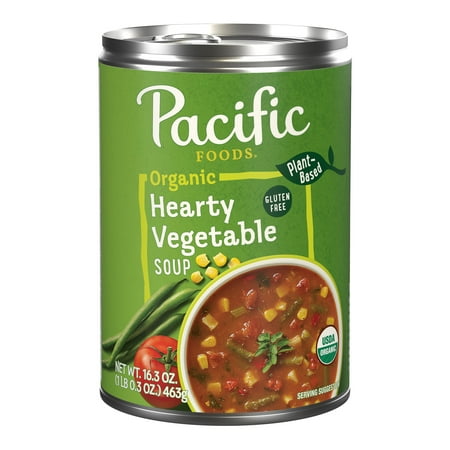
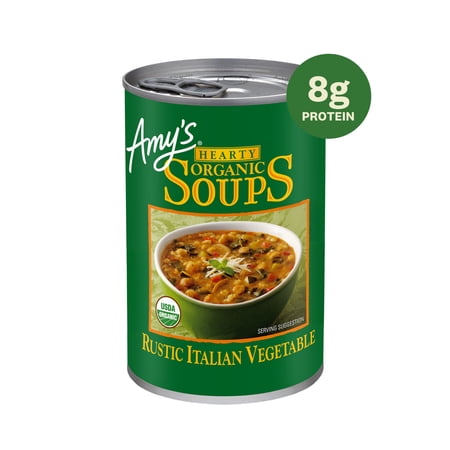

Progresso Light Vegetable Soup
Analysis updated May 2026 · How Scout scores
At a glance
Summary
This soup contains a variety of beneficial vegetables like tomatoes, celery, and carrots, which contribute to its nutritional value. However, it is classified as highly processed due to the presence of ingredients like hydrolyzed corn protein and sugar, which detract from its overall healthiness. The product's processing level limits its score, despite the presence of some whole food ingredients.
Key ingredients 20
Tomato PureeGood
Tomato puree is a concentrated form of tomatoes, providing a rich source of vitamins and antioxidants. It is minimally processed, retaining most of the nutritional benefits of fresh tomatoes. It enhances the flavor and nutritional profile of the soup.
Benefits
Rich in lycopene, an antioxidant that may reduce the risk of certain diseases. Provides vitamins A and C, supporting immune function and skin health.
CeleryGood
Celery is a low-calorie vegetable that adds fiber and essential nutrients to the soup. It is typically used fresh, preserving its nutritional content. It contributes to the overall health benefits of the soup.
Benefits
Provides dietary fiber, which aids digestion and supports heart health. Contains antioxidants and vitamins that may reduce inflammation.
Green BeansGood
Green beans are a nutritious vegetable rich in vitamins and minerals. They are usually minimally processed, retaining their health benefits. They add fiber and essential nutrients to the soup.
Benefits
Rich in vitamins A, C, and K, supporting immune function and bone health. Provides dietary fiber, promoting digestive health.
TomatoesGood
Tomatoes are a nutrient-dense fruit providing vitamins, minerals, and antioxidants. They are typically used fresh or minimally processed, preserving their health benefits. They enhance the flavor and nutritional value of the soup.
Benefits
High in lycopene, which may reduce the risk of chronic diseases. Provides vitamins C and K, supporting immune and bone health.
CarrotsGood
Carrots are a root vegetable rich in beta-carotene and other nutrients. They are typically used fresh, retaining their nutritional benefits. They add sweetness and color to the soup.
Benefits
High in beta-carotene, which the body converts to vitamin A, supporting vision and immune health. Provides dietary fiber, promoting digestive health.
CornGood
Beneficial ingredient — whole-food or functional value in this product class.
Benefits
Provides carbohydrates for energy and some dietary fiber. Contains small amounts of vitamins and minerals.
Onion PowderGood
Onion powder is a dehydrated form of onions, providing flavor and some nutrients. It retains some of the health benefits of fresh onions, such as antioxidants. It enhances the flavor profile of the soup.
Benefits
Contains antioxidants and compounds that may support heart health.
Garlic PowderGood
Garlic powder is a dehydrated form of garlic, offering flavor and potential health benefits. It retains some of the beneficial compounds found in fresh garlic. It adds depth to the flavor of the soup.
Benefits
Contains allicin, which may support cardiovascular health and immune function.
Tomato ExtractGood
Tomato extract is a concentrated form of tomatoes, rich in lycopene and other nutrients. It is used to enhance flavor and nutritional content. It provides similar benefits to fresh tomatoes.
Benefits
Rich in lycopene, which may reduce the risk of certain diseases. Provides vitamins and antioxidants.
WaterNeutral
Water is a neutral ingredient used as a base for the soup. It provides no calories or nutrients but is essential for hydration. It serves as a medium for cooking and blending other ingredients.
See more about Water →Spiral PastaNeutral
Spiral pasta is made from semolina wheat and durum wheat, providing carbohydrates and some protein. It is a common ingredient in soups, adding texture and substance. It is a refined grain product, offering limited nutritional benefits.
Risks
May contribute to increased blood sugar levels due to its refined carbohydrate content.
Benefits
Provides carbohydrates for energy and a small amount of protein.
Soluble Corn FiberNeutral
Soluble corn fiber is a processed fiber additive used to increase fiber content. It is derived from corn and is often used in processed foods. It can help improve the fiber content of the soup without altering taste significantly.
Benefits
May aid in digestion and help maintain healthy blood sugar levels.
Potassium ChlorideNeutral
Potassium chloride is used as a salt substitute to reduce sodium content. It provides potassium, an essential mineral for heart and muscle function. It is often used in processed foods to enhance flavor while maintaining a lower sodium profile.
Risks
Excessive intake may lead to hyperkalemia, especially in individuals with kidney issues.
Benefits
Provides potassium, which is important for maintaining healthy blood pressure and muscle function.
SaltNeutral
Salt is used to enhance flavor and preserve food. It is a common ingredient in processed foods, contributing to sodium intake. While necessary for bodily functions, excessive consumption can lead to health issues.
Risks
High sodium intake may increase the risk of hypertension and cardiovascular diseases.
Benefits
Essential for maintaining fluid balance and nerve function.
SpiceNeutral
Spice is a generic term for various flavoring agents used in cooking. The specific spices used are not detailed, making it difficult to assess their individual benefits or risks. They contribute to the overall flavor profile of the soup.
Benefits
May provide antioxidants and enhance flavor.
Citric AcidNeutral
Citric acid is a natural preservative and flavor enhancer. It is commonly used in processed foods to maintain freshness and enhance tartness. It is generally recognized as safe when consumed in typical amounts.
Risks
Excessive consumption may cause digestive discomfort.
Calcium ChlorideNeutral
Calcium chloride is used as a firming agent and to enhance flavor. It is commonly used in canned vegetables to maintain texture. It provides calcium, an essential mineral for bone health.
Risks
Excessive intake may cause digestive issues.
Benefits
Provides calcium, supporting bone health.
Corn ProteinBad
Corn protein is a processed ingredient derived from corn, often used as a protein source. It lacks the complete amino acid profile found in animal-based proteins. Its processing can reduce the nutritional quality compared to whole food sources.
Risks
May not provide a complete amino acid profile, potentially limiting its effectiveness as a protein source.
Benefits
Provides a plant-based protein option, though less complete than animal proteins.
Modified Food StarchBad
Chemically modified starch additive.
See more about Modified Food Starch →SugarBad
Sugar is a refined carbohydrate that provides sweetness but no essential nutrients. Excessive consumption can lead to health issues such as obesity and diabetes. It is often added to enhance flavor in processed foods.
Risks
High intake may contribute to obesity, diabetes, and other metabolic disorders.
Benefits
Provides quick energy but lacks essential nutrients.
Processing
Ultra-Processed Foods
Get the full breakdown in the Scout appTake Scout shopping
Scan any product to see lab results, healthy alternatives, and your personalized analysis.
Download on theApp Store GET IT ONGoogle Play