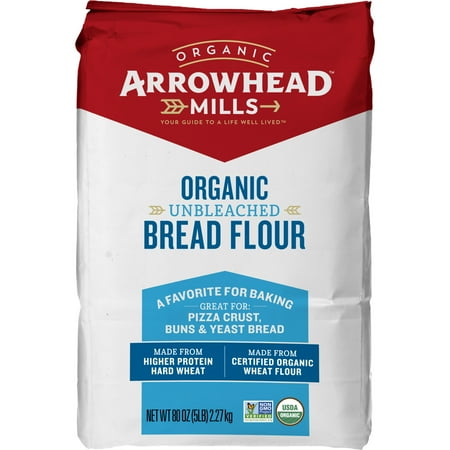
Strong white bread flour
Sainsbury's
At a glance
Summary
This product is made from refined wheat flour and wheat gluten, which are highly processed ingredients. While it does not contain harmful additives like artificial dyes or high-fructose corn syrup, its ultra-processed nature limits its nutritional value. The presence of enriched flour with added vitamins and minerals does not compensate for the lack of whole, minimally processed ingredients.
Key ingredients 6
NiacinGood
Beneficial ingredient — whole-food or functional value in this product class.
Benefits
Supports energy production and helps maintain healthy skin and nerves.
Calcium carbonateNeutral
Calcium carbonate is used to fortify flour with calcium, an essential mineral for bone health. It is a common additive in enriched flours to improve nutritional value. While beneficial for calcium intake, it does not provide other nutrients found in whole foods.
Risks
Excessive intake may lead to hypercalcemia, but this is unlikely from fortified flour alone.
Benefits
Helps in maintaining bone density and preventing osteoporosis.
IronNeutral
Iron is added to flour to prevent anemia and support oxygen transport in the blood. It is an essential mineral, but the form used in fortification may not be as easily absorbed as that from animal sources. Fortification helps address dietary deficiencies in populations.
Risks
Excessive iron intake can lead to toxicity, but this is rare from fortified foods alone.
Benefits
Essential for the production of hemoglobin and myoglobin, supporting oxygen transport and muscle function.
ThiaminNeutral
Thiamin, or vitamin B1, is added to enriched flour to support carbohydrate metabolism. It is crucial for energy production and nerve function. While beneficial, it is best obtained from a varied diet including whole grains.
Benefits
Supports energy metabolism and is essential for nerve and muscle function.
Wheat glutenNeutral
Wheat gluten is added to improve the elasticity and chewiness of bread. It is a protein found naturally in wheat, but can cause issues for those with gluten intolerance or celiac disease. It enhances the texture and structure of baked goods.
Risks
Can cause adverse reactions in individuals with gluten intolerance or celiac disease.
Benefits
Provides protein and improves the texture and elasticity of bread.
Wheat flourBad
Refined grain flour stripped of bran and germ.
Risks
Refined wheat flour can contribute to blood sugar spikes and lacks fiber, which may affect digestive health.
Benefits
Provides essential carbohydrates and proteins necessary for energy and muscle maintenance.
Processing
Ultra-Processed Foods
Get the full breakdown in the Scout appTake Scout shopping
Scan any product to see lab results, healthy alternatives, and your personalized analysis.
Are you Sainsbury's? Fix an error Get the badge Get tested