



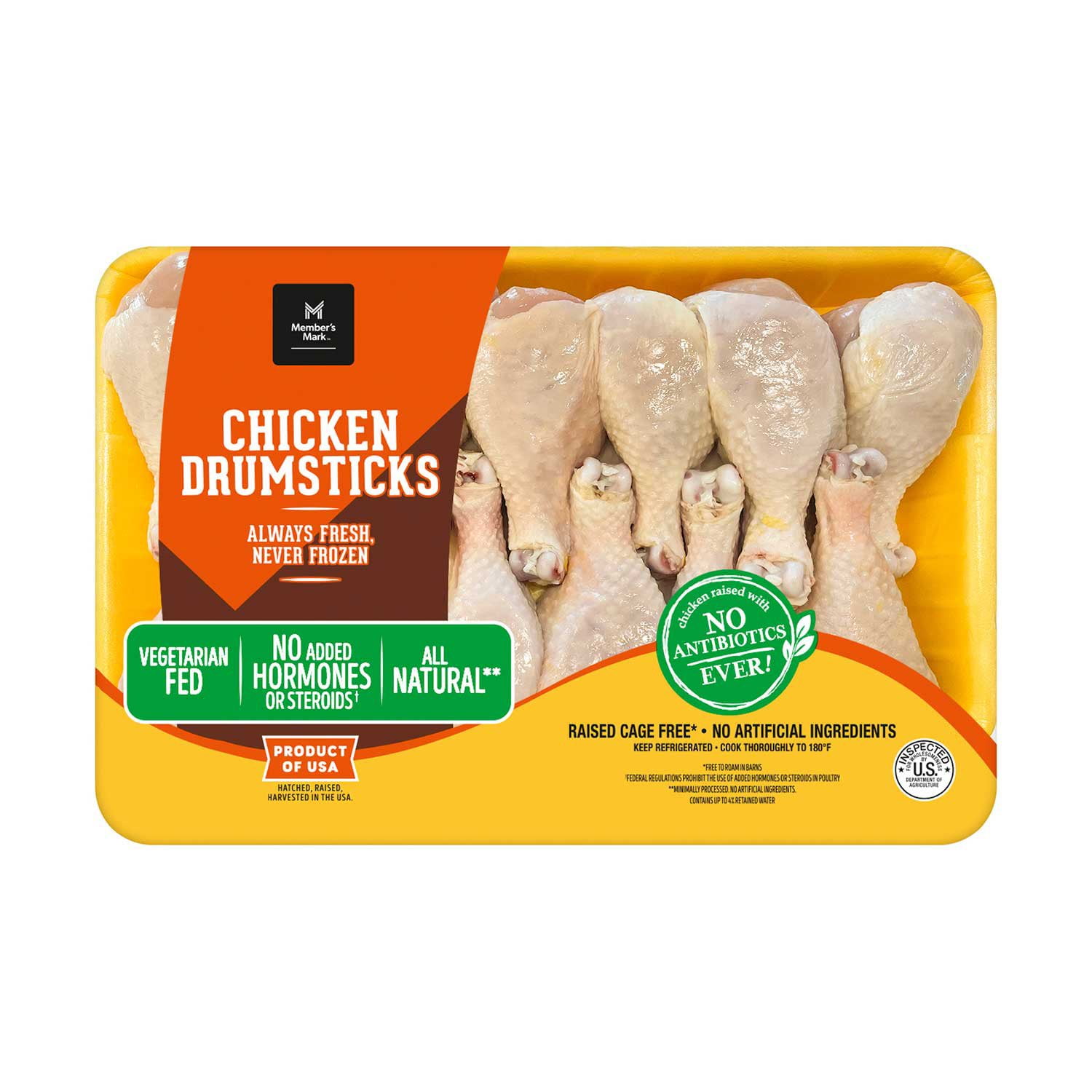
At a glance
Summary
The product contains beneficial high-quality protein from chicken drumsticks, but it is processed with additives like potassium triphosphate and sodium triphosphate, which can contribute to excessive phosphorus intake. The presence of dextrose, a refined sugar, further impacts its healthiness by potentially raising blood sugar levels. The processing level and use of these additives limit the overall score despite the presence of a primary whole food ingredient.
Key ingredients 7
British Chicken DrumstickNeutral
This ingredient is a natural source of high-quality protein and essential nutrients, making it a wholesome choice.
SaltNeutral
Salt is used to enhance flavor but should be consumed in moderation to maintain healthy blood pressure levels.
See more about Salt →CornflourBad
Cornflour is a processed carbohydrate that offers little nutritional value and can contribute to excess calorie intake.
Potassium TriphosphateBad
This additive is used as a preservative and stabilizer but is a highly processed ingredient with limited nutritional benefit.
Sodium TriphosphateBad
Sodium triphosphate is an additive that can help with moisture retention but is a processed substance with no direct health benefits.
See more about Sodium Triphosphate →Brown SugarBad
Brown sugar adds sweetness but is a source of added sugars, which should be limited in a balanced diet.
See more about Brown Sugar →DextroseBad
Dextrose is a simple sugar used for flavor and preservation but provides empty calories with minimal nutritional value.
See more about Dextrose →Processing
Processed Foods
Get the full breakdown in the Scout appTake Scout shopping
Scan any product to see lab results, healthy alternatives, and your personalized analysis.
Download on theApp Store GET IT ONGoogle Play