

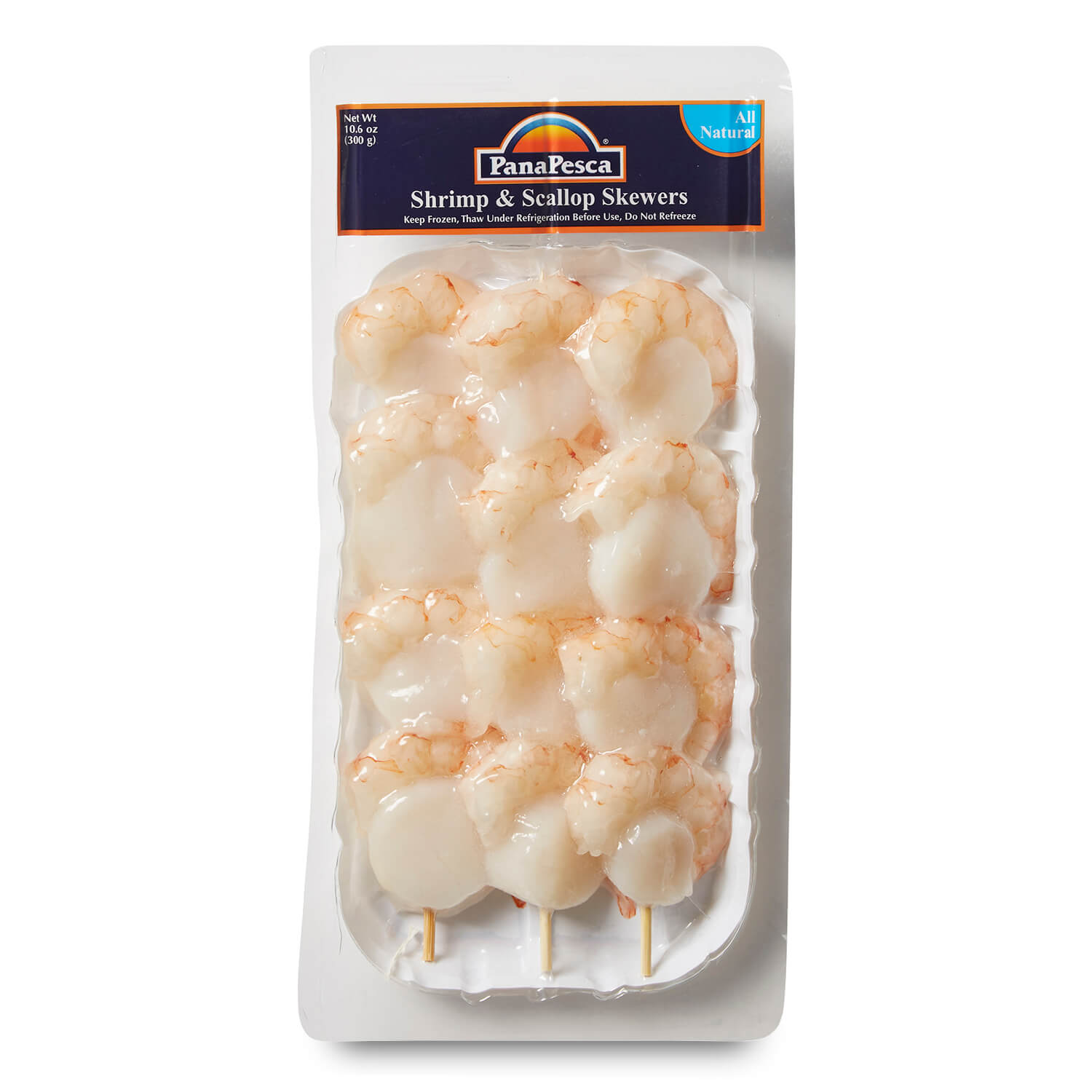


Spicy Flavored Pork, Scallop and Shrimp Dumpling
Analysis updated May 2026 · How Scout scores
At a glance
Summary
This product contains beneficial ingredients like scallops, shrimp, and napa cabbage, which are rich in protein and essential nutrients. However, the presence of sodium tripolyphosphate, a synthetic additive, and the processed nature of the product limit its healthiness. The ingredient list is relatively clean, but the processing level and the use of additives prevent a higher score.
Key ingredients 9
ScallopVery Good
Scallops are low in calories and high in protein, making them an excellent choice for a healthy diet. They are rich in omega-3 fatty acids, which support heart health. Additionally, they provide important minerals such as magnesium and potassium.
Benefits
High in protein and omega-3 fatty acids, promoting heart health and muscle maintenance.
Napa CabbageVery Good
Napa cabbage is a low-calorie vegetable rich in vitamins C and K. It provides dietary fiber, which aids in digestion and promotes gut health. As a cruciferous vegetable, it contains compounds that may have cancer-preventive properties.
Benefits
Rich in vitamins and fiber, supporting immune function and digestive health.
Ground PorkGood
Ground pork is a good source of protein and essential nutrients. It provides vitamins such as B12 and minerals like zinc and iron. When sourced from quality farms, it can be a nutritious component of a balanced diet.
Risks
Excessive consumption of pork can lead to increased saturated fat intake, which may affect heart health.
Benefits
Rich in protein and essential nutrients like vitamin B12 and zinc, supporting muscle growth and immune function.
ShrimpGood
Shrimp is a low-calorie, high-protein seafood option that is rich in selenium and iodine. It contains antioxidants like astaxanthin, which may reduce inflammation. Shrimp is also a good source of omega-3 fatty acids.
Risks
Some individuals may have allergies to shellfish, including shrimp.
Benefits
Provides high-quality protein and essential nutrients like selenium and iodine, supporting thyroid function and antioxidant defense.
Egg WhiteGood
Egg white is a high-quality protein source with minimal fat content. It contains essential amino acids necessary for muscle repair and growth. Egg whites are also low in calories, making them a healthy addition to meals.
Risks
Some individuals may have allergies to eggs.
Benefits
Provides high-quality protein and essential amino acids with low calorie content.
WaterNeutral
Water is used as a basic ingredient to provide moisture and aid in the mixing of other ingredients. It is essential for hydration but does not contribute significant nutritional value in this context. Its presence is necessary for the texture and consistency of the dumpling.
Benefits
Essential for hydration and necessary for the texture of the product.
SaltNeutral
Salt is used to enhance flavor and preserve food. It is a common culinary ingredient but should be consumed in moderation to avoid health issues. Excessive salt intake can lead to increased blood pressure.
Risks
High salt intake is associated with hypertension and cardiovascular diseases.
Benefits
Enhances flavor and acts as a preservative.
Corn StarchNeutral
Corn starch is used as a thickening agent in many food products. It is a refined carbohydrate that provides texture and consistency. While it is not harmful in small amounts, it does not offer significant nutritional benefits.
Risks
Excessive consumption of refined carbohydrates can lead to blood sugar spikes.
Benefits
Provides texture and consistency to food products.
Sodium TripolyphosphateBad
Sodium tripolyphosphate is used as a preservative and moisture-retaining agent in seafood. It is a synthetic additive that can increase sodium content in foods. Overconsumption may lead to health concerns related to high sodium intake.
Risks
High sodium intake can contribute to hypertension and cardiovascular issues.
Processing
Processed Foods
Get the full breakdown in the Scout appTake Scout shopping
Scan any product to see lab results, healthy alternatives, and your personalized analysis.
Download on theApp Store GET IT ONGoogle Play