


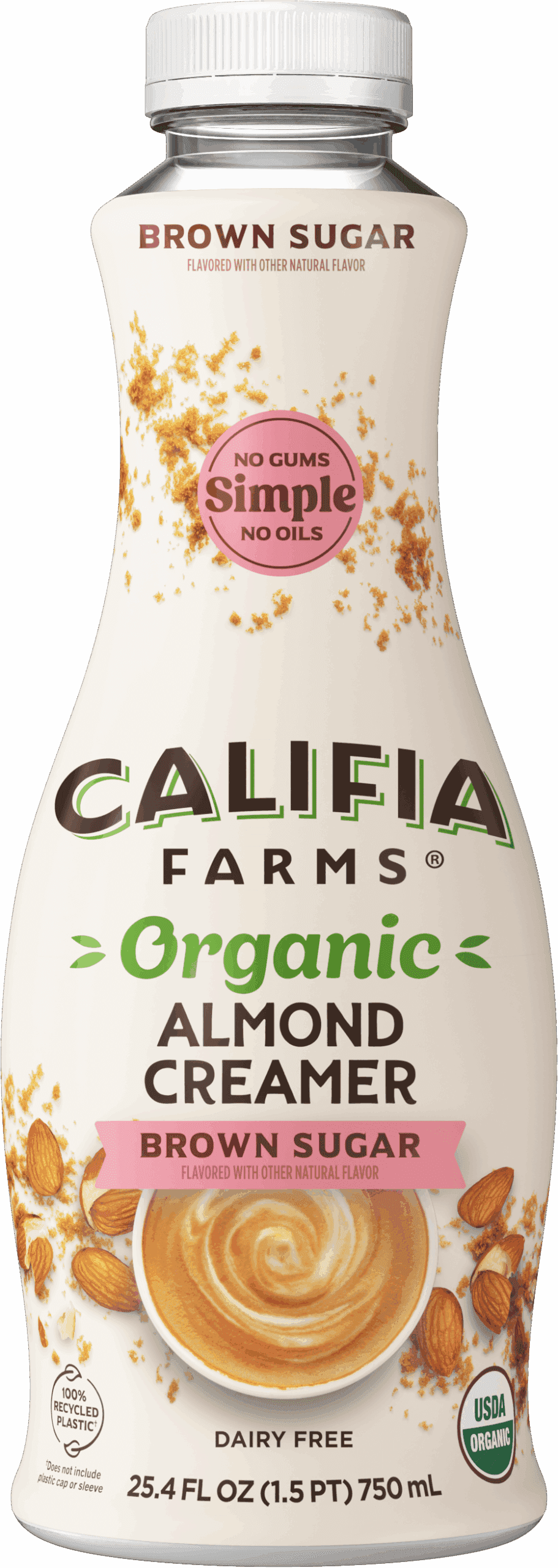

Coconut & Almond Creamer Vanilla
Near you
Trader Joe's is carried at Trader Joe stores. Find one within 25 miles.
Summary
This creamer is ultra-processed, containing multiple additives such as emulsifiers and gums, which contribute to its high processing level. While it includes beneficial ingredients like coconut cream and almond butter, the presence of refined cane sugar and natural flavors detracts from its overall healthiness. The product's high sugar content and the use of processed ingredients like soy flour further impact its nutritional quality.
At a glance
Key ingredients 12
WaterNeutral
Water is a neutral ingredient used as a base in many food products. It provides no nutritional value but is essential for consistency and texture. It is generally safe and poses no health risks.
See more about Water →Cane SugarBad
Cane sugar is a refined sugar that can contribute to increased calorie intake and potential weight gain. It is processed to remove impurities, resulting in a high glycemic index. Excessive consumption can lead to health issues such as diabetes and obesity.
Risks
High consumption of refined sugars can lead to obesity, diabetes, and other metabolic disorders.
Coconut CreamGood
Coconut cream is a rich source of medium-chain triglycerides (MCTs) which can provide quick energy. It is minimally processed and retains beneficial fats. It can support metabolic health and provide a creamy texture.
Risks
High in saturated fats, which may be a concern for heart health if consumed in excess.
Benefits
Rich in MCTs that can support energy levels and metabolic health.
Almond ButterGood
Almond butter is a nutritious ingredient rich in healthy fats, protein, and fiber. It is made by grinding almonds, preserving their natural nutrients. It supports heart health and provides a source of plant-based protein.
Risks
Potential allergen for individuals with nut allergies.
Benefits
Rich in monounsaturated fats and vitamin E, supporting heart health and providing antioxidant benefits.
Natural FlavorsBad
Natural flavors are often used to enhance taste but lack transparency in their composition. They are highly processed and can contain numerous chemical compounds. Their vague labeling can be concerning for those with allergies or sensitivities.
Risks
May contain allergens or trigger sensitivities due to undisclosed components.
Sunflower LecithinNeutral
Sunflower lecithin is an emulsifier that helps blend ingredients. It is derived from sunflower seeds and is less processed than soy lecithin. It is generally considered safe and non-allergenic.
Benefits
May support brain health due to its phospholipid content.
Gellan GumNeutral
Gellan gum is a gelling agent used to stabilize and thicken products. It is produced through bacterial fermentation and is considered safe for consumption. It helps maintain product consistency without significant health impacts.
Risks
Excessive consumption may cause digestive discomfort in sensitive individuals.
Sodium BicarbonateNeutral
Sodium bicarbonate is a leavening agent that helps products rise. It is a common food additive with a long history of safe use. It is generally recognized as safe when used in appropriate amounts.
Risks
Excessive intake may lead to alkalosis or electrolyte imbalances.
Potassium CitrateNeutral
Potassium citrate is used as a buffering agent to regulate acidity. It is a salt of citric acid and potassium, contributing to electrolyte balance. It is generally safe and can support kidney health.
Risks
High doses may cause gastrointestinal discomfort or hyperkalemia.
Benefits
May support kidney health by reducing urinary calcium levels.
Sea SaltGood
Unrefined sea salt — a minimally processed, natural source of sodium and essential trace minerals, and a legitimate whole-food seasoning. Treated as a positive ingredient.
Risks
Excessive consumption can contribute to hypertension and cardiovascular issues.
Benefits
Contains trace minerals that can support overall health.
Barley Malt ExtractNeutral
Barley malt extract is a sweetener derived from barley grains. It is less refined than cane sugar and provides a distinct flavor. It contains some vitamins and minerals but is primarily used for its sweetening properties.
Risks
Contains gluten, which may be a concern for individuals with celiac disease or gluten sensitivity.
Benefits
Provides a natural source of sweetness with some vitamins and minerals.
Soy FlourBad
Soy flour is a processed ingredient that can be used to enhance protein content. It is derived from soybeans and may contain anti-nutrients that affect mineral absorption. It is often genetically modified and may cause allergic reactions.
Risks
May cause allergic reactions and contains anti-nutrients that can affect mineral absorption.
Benefits
Provides a source of plant-based protein.
Processing
Ultra-Processed Foods
Get the full breakdown in the Scout app
Scan any product to see lab results, healthy alternatives, and your personalized analysis.
Download on theApp Store