



At a glance
Summary
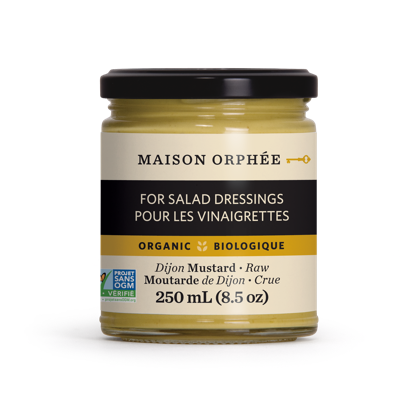
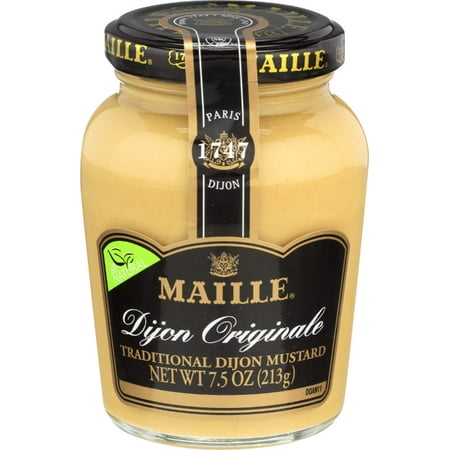
This Dijon mustard contains beneficial mustard seeds and a relatively short ingredient list, which is positive for ingredient quality. However, it includes a synthetic preservative, E224 (sulphites), which can cause allergic reactions in sensitive individuals and raises health concerns. The product is processed, which limits its score potential, but the absence of seed oils and artificial dyes helps maintain a moderate rating.
Key ingredients 6
Mustard SeedsGood
Mustard seeds are a natural source of antioxidants and essential nutrients. They contain compounds that may have anti-inflammatory and antibacterial properties. The seeds are minimally processed, retaining their nutritional benefits.
Risks
Mustard seeds can cause allergic reactions in some individuals.
Benefits
Rich in antioxidants and essential nutrients, mustard seeds may support immune health and reduce inflammation.
Burgundy Aligote White WineNeutral
Burgundy Aligote white wine is used for its flavor-enhancing properties in culinary applications. It is an alcoholic beverage that is fermented and aged to develop its taste profile. The wine is used in small quantities, contributing primarily to flavor rather than nutritional value.
Risks
Contains alcohol, which may not be suitable for all individuals.
Benefits
Enhances flavor complexity in culinary dishes.
SaltNeutral
Salt is a common seasoning used to enhance flavor in foods. It is a refined product that provides sodium, an essential mineral for bodily functions. However, excessive consumption can lead to health issues such as hypertension.
Risks
High sodium intake is associated with increased risk of hypertension and cardiovascular diseases.
Benefits
Provides essential sodium needed for various physiological functions.
Citric AcidNeutral
Citric acid is a natural preservative and flavor enhancer found in citrus fruits. It is commonly used in food products to add acidity and preserve freshness. The compound is generally recognized as safe when used in moderation.
Risks
Excessive consumption may cause gastrointestinal discomfort in sensitive individuals.
Benefits
Acts as a natural preservative and enhances flavor by adding acidity.
Ground TurmericNeutral
Ground turmeric is a spice known for its vibrant color and potential health benefits. It contains curcumin, a compound with anti-inflammatory properties. However, the amount used in condiments is typically small, limiting its health impact.
Benefits
Contains curcumin, which may have anti-inflammatory and antioxidant properties.
Preservative: E224 (Sulphites)Bad
E224, or potassium metabisulfite, is a preservative used to prevent spoilage and oxidation in foods. It is a synthetic additive that can cause allergic reactions in sensitive individuals. The use of sulphites is controversial due to potential health concerns.
Risks
May cause allergic reactions, particularly in individuals with asthma or sulphite sensitivity.
Benefits
Helps preserve the product by preventing spoilage and oxidation.
Processing
Processed Foods
Get the full breakdown in the Scout appTake Scout shopping
Scan any product to see lab results, healthy alternatives, and your personalized analysis.
Download on theApp Store GET IT ONGoogle Play