



At a glance
Summary
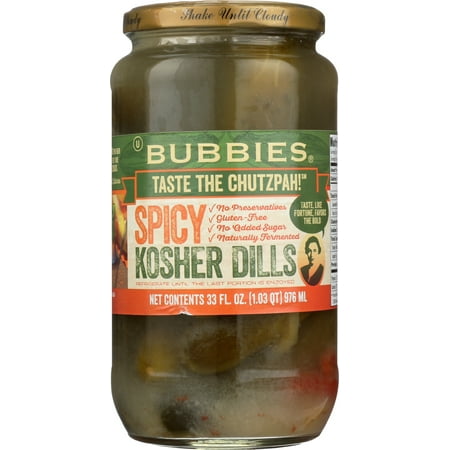
This product contains beneficial ingredients like cucumbers, vinegar, and sea salt, which are minimally processed and contribute positively to its nutritional profile. However, the presence of natural flavors and polysorbate 80, a synthetic emulsifier, indicates a higher level of processing. The ultra-processed nature of the product limits its health score despite the inclusion of some whole food ingredients.
Key ingredients 8
CucumbersGood
Cucumbers are a low-calorie vegetable that provides hydration and essential nutrients. They are minimally processed and retain most of their natural vitamins and minerals. As a whole food, they contribute positively to a balanced diet.
Benefits
Rich in water content, cucumbers help with hydration and provide small amounts of vitamins and minerals.
VinegarGood
Vinegar is a fermented product that can aid digestion and has antimicrobial properties. It is a natural preservative that enhances flavor without adding calories. The acetic acid in vinegar may help with blood sugar control.
Risks
Excessive consumption may lead to enamel erosion or digestive discomfort.
Benefits
May aid in digestion and blood sugar control due to its acetic acid content.
Sea SaltGood
Sea salt is a minimally processed salt that contains trace minerals. It is used to enhance flavor and preserve food naturally. Unlike refined salt, it retains some beneficial minerals.
Risks
High sodium intake can contribute to hypertension and cardiovascular issues.
Benefits
Provides essential sodium and trace minerals that are beneficial in moderation.
TurmericGood
Beneficial ingredient — whole-food or functional value in this product class.
Benefits
Contains curcumin, which has anti-inflammatory and antioxidant properties.
WaterNeutral
Water is a fundamental ingredient used as a solvent and for hydration. It is essential for maintaining bodily functions and is a neutral component in food products. In this context, it serves as a medium for pickling.
Benefits
Essential for hydration and acts as a solvent in the pickling process.
Calcium ChlorideNeutral
Calcium chloride is used as a firming agent in pickles to maintain texture. It is generally recognized as safe and does not significantly impact health when used in small amounts. It helps improve the crispness of pickled products.
Benefits
Helps maintain the firmness and texture of pickled products.
Natural FlavorsBad
Natural flavors are a catch-all term for flavoring agents derived from natural sources but can be highly processed. They lack transparency and may contain additives or allergens. The processing and lack of disclosure can be concerning for some consumers.
Risks
Potential allergens and lack of transparency in ingredient sourcing.
Polysorbate 80Bad
Polysorbate 80 is an emulsifier used to improve texture and stability in processed foods. It is a synthetic additive that may cause digestive issues in sensitive individuals. Its use in ultra-processed foods is often viewed negatively due to potential health concerns.
Risks
May cause digestive issues or allergic reactions in sensitive individuals.
Processing
Ultra-Processed Foods
Get the full breakdown in the Scout appTake Scout shopping
Scan any product to see lab results, healthy alternatives, and your personalized analysis.
Download on theApp Store GET IT ONGoogle Play