


At a glance
Summary
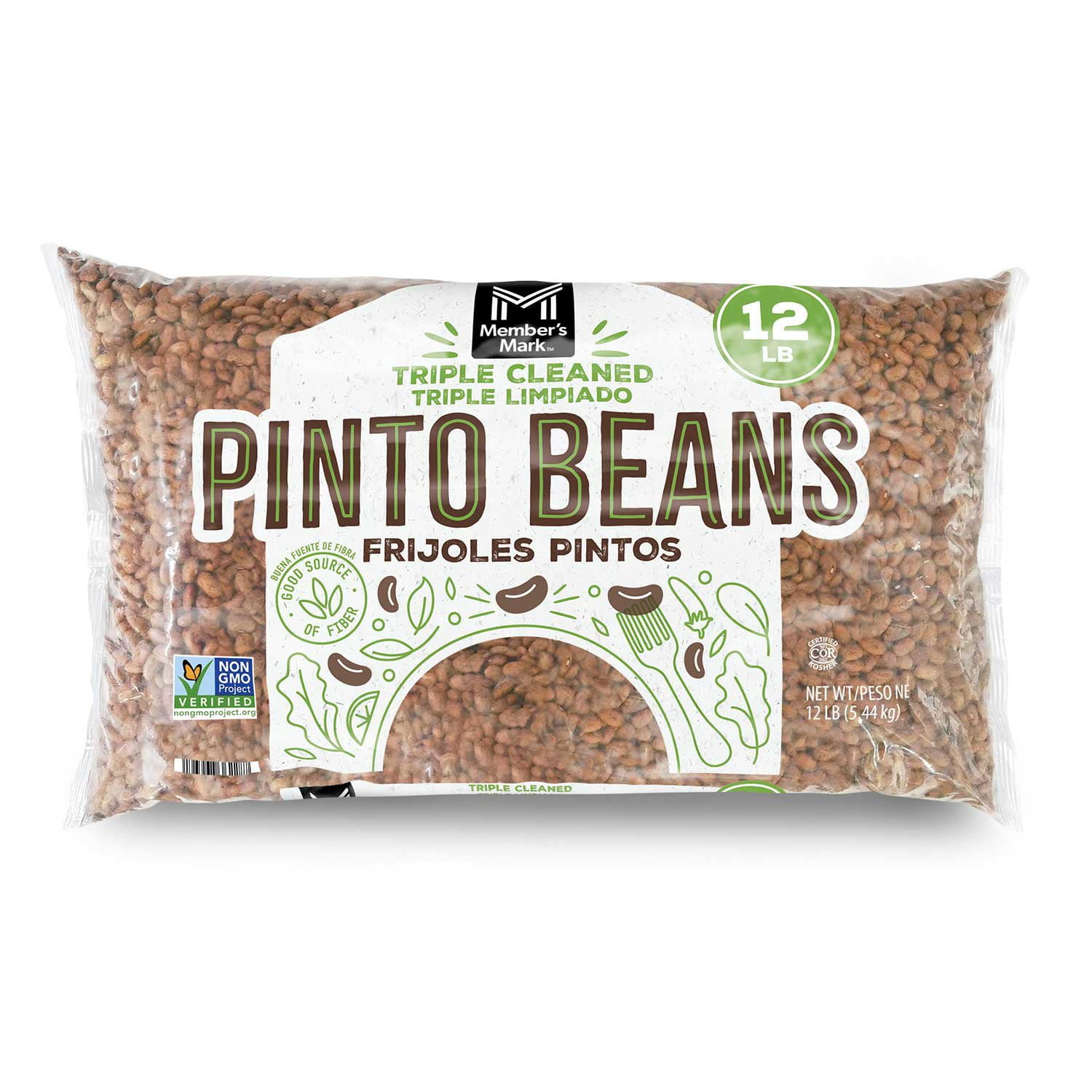
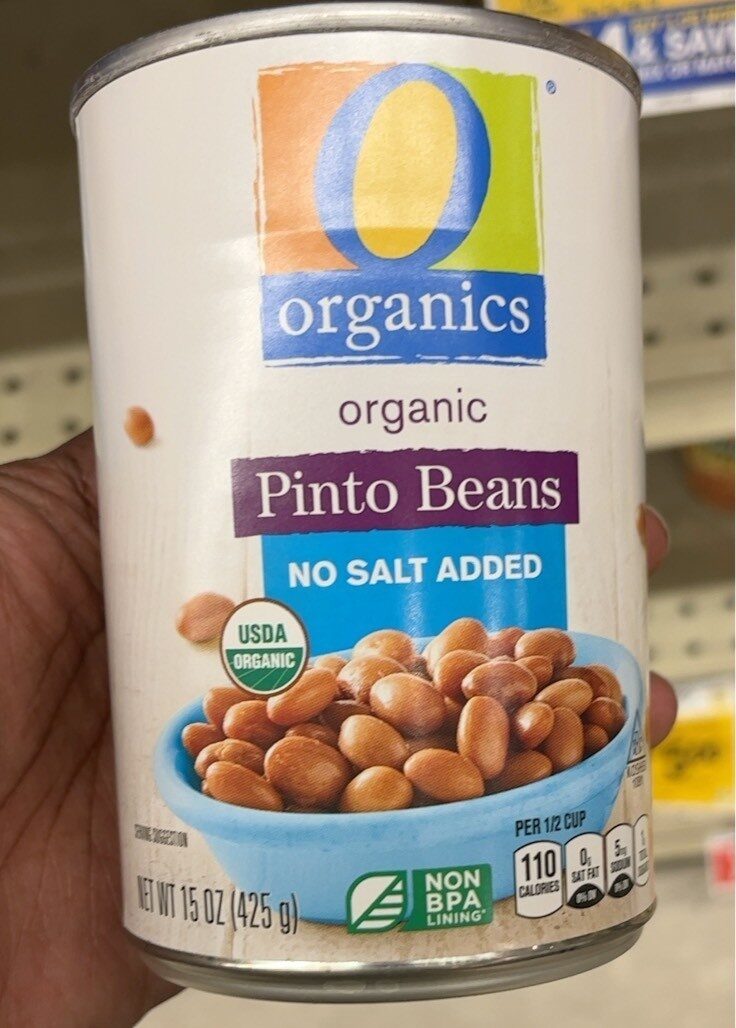
This product contains pinto beans, which are a nutritious source of protein and fiber, contributing positively to a balanced diet. However, the presence of synthetic additives like disodium EDTA, used for color retention, introduces a level of processing that impacts the overall healthiness of the product. While the beans themselves are beneficial, the processing level and use of additives prevent it from achieving a higher score.
Key ingredients 5
Pinto BeansVery Good
Pinto beans are a rich source of protein and dietary fiber, contributing to a balanced diet. They are minimally processed and provide essential nutrients like folate and iron. Their natural composition supports heart health and aids in digestion.
Benefits
Rich in protein and fiber, which support muscle health and digestive regularity. Contains essential vitamins and minerals that contribute to overall health.
WaterNeutral
Water is used as a solvent and cooking medium in canned products. It is essential for maintaining the moisture content of the beans. There are no nutritional benefits or risks associated with water in this context.
See more about Water →SaltNeutral
Salt is used to enhance flavor and preserve the beans. It is a common additive in canned foods but does not provide additional nutritional benefits. Excessive consumption of salt can lead to health issues such as hypertension.
Risks
High sodium intake can contribute to hypertension and cardiovascular diseases.
Benefits
Provides flavor enhancement and preservation properties in food.
Calcium ChlorideNeutral
Calcium chloride is used to maintain firmness in canned beans. It is a common food additive with no significant nutritional value. It is generally recognized as safe when used in food processing.
Benefits
Helps maintain the texture and firmness of canned beans.
Disodium EDTABad
Disodium EDTA is used to promote color retention in canned foods. It is a synthetic additive that can bind to metals and may cause nutrient depletion. Its use is generally safe in small amounts, but excessive consumption can lead to health concerns.
Risks
May cause nutrient depletion and has potential allergenic effects in sensitive individuals.
Benefits
Helps maintain color and appearance of canned foods.
Processing
Processed Foods
Get the full breakdown in the Scout appTake Scout shopping
Scan any product to see lab results, healthy alternatives, and your personalized analysis.
Download on theApp Store GET IT ONGoogle Play