
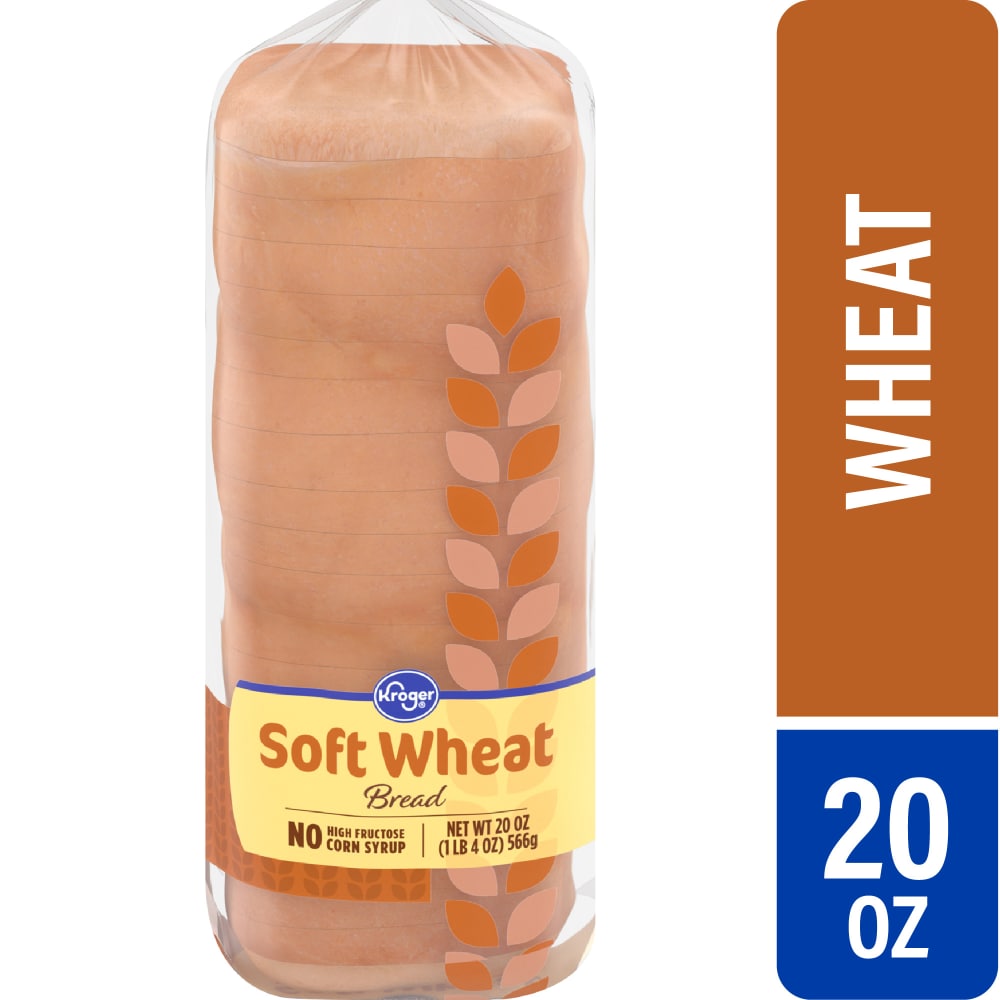


:format(jpg)/d2lnr5mha7bycj.cloudfront.net/product-image/file/large_4dd0cb05-9b18-4332-bf4f-0bf8c3a2b6c4.jpg)

At a glance
Summary
This soft wheat bread contains both enriched and whole wheat flour, providing some nutritional benefits from the whole grain. However, the presence of soybean oil, a highly processed seed oil, detracts from its healthfulness due to its inflammatory potential. The bread is moderately processed, which limits its score, and includes several additives that further impact its overall rating.
Key ingredients 14
Whole Wheat FlourGood
Whole wheat flour is made from the entire wheat kernel, retaining all its nutrients and fiber. It supports digestive health and provides a steady release of energy. Compared to refined flour, it offers more vitamins, minerals, and antioxidants.
Benefits
Rich in dietary fiber, vitamins, and minerals, supporting heart health and digestion.
NiacinGood
Beneficial ingredient — whole-food or functional value in this product class.
Benefits
Supports energy metabolism and cellular health.
RiboflavinGood
Essential B vitamin — beneficial micronutrient.
Benefits
Supports energy metabolism and skin health.
WaterNeutral
Water is a basic ingredient used to hydrate and bind ingredients in bread. It is essential for the dough formation and baking process. It does not contribute any nutritional value.
Benefits
Essential for hydration and dough consistency.
Wheat GlutenNeutral
Wheat gluten is a protein that provides elasticity and structure to bread. It is essential for the texture and rise of the dough. While beneficial for bread quality, it may cause issues for those with gluten sensitivities.
Risks
Can cause adverse reactions in individuals with gluten intolerance or celiac disease.
Benefits
Enhances bread texture and structure, contributing to a desirable crumb.
YeastNeutral
Baker's/nutritional yeast in standard use — benign.
Benefits
Improves bread texture and flavor while contributing B vitamins.
SaltNeutral
Salt is used to enhance flavor and control yeast activity in bread. It is a necessary component for taste and dough stability. However, excessive salt intake can lead to health issues.
Risks
High sodium intake may increase the risk of hypertension and cardiovascular disease.
Benefits
Enhances flavor and helps control yeast fermentation in bread.
Cultured Wheat FlourNeutral
Cultured wheat flour is treated with bacterial cultures to enhance flavor and shelf life. It is a natural preservative alternative. While it does not add significant nutritional value, it helps maintain product freshness.
Benefits
Acts as a natural preservative, extending shelf life without synthetic additives.
Malted Barley FlourNeutral
Malted barley flour is used to enhance flavor and improve dough fermentation. It contains enzymes that break down starches into sugars, aiding yeast activity. It is generally considered a natural and beneficial addition to bread.
Benefits
Improves flavor and fermentation, enhancing bread quality.
Reduced IronNeutral
Reduced iron is added to enriched flour to restore iron lost during processing. It is an essential mineral for oxygen transport in the body. While beneficial, it is better absorbed from whole food sources.
Risks
Excessive iron intake can lead to toxicity, particularly in individuals with hemochromatosis.
Benefits
Essential for red blood cell production and oxygen transport.
Thiamine MononitrateNeutral
Thiamine mononitrate is a form of vitamin B1 added to enriched flour. It is crucial for carbohydrate metabolism and nerve function. While beneficial, it is better obtained from whole grains and natural sources.
Benefits
Essential for energy production and nerve function.
Enriched Wheat FlourBad
Refined grain flour stripped of bran and germ.
Risks
May contribute to blood sugar spikes due to its refined nature.
Benefits
Provides essential nutrients such as iron and B vitamins due to enrichment.
Brown SugarBad
Processed additive flagged under Scout's ingredient doctrine.
Risks
Excessive consumption may lead to increased risk of obesity and dental cavities.
Benefits
Provides a richer flavor and slight mineral content compared to white sugar.
Soybean OilVery Bad
Soybean oil is a seed oil high in omega-6 fatty acids, which can promote inflammation when consumed in excess. It is often highly processed and refined. Its use in bread is primarily for texture and moisture, but healthier alternatives exist.
Risks
High omega-6 content may promote inflammation and imbalance omega-3 to omega-6 ratio.
Benefits
Provides moisture and texture to baked goods, but healthier fat sources are preferable.
Processing
Processed Foods
Get the full breakdown in the Scout appTake Scout shopping
Scan any product to see lab results, healthy alternatives, and your personalized analysis.
Download on theApp Store GET IT ONGoogle Play