
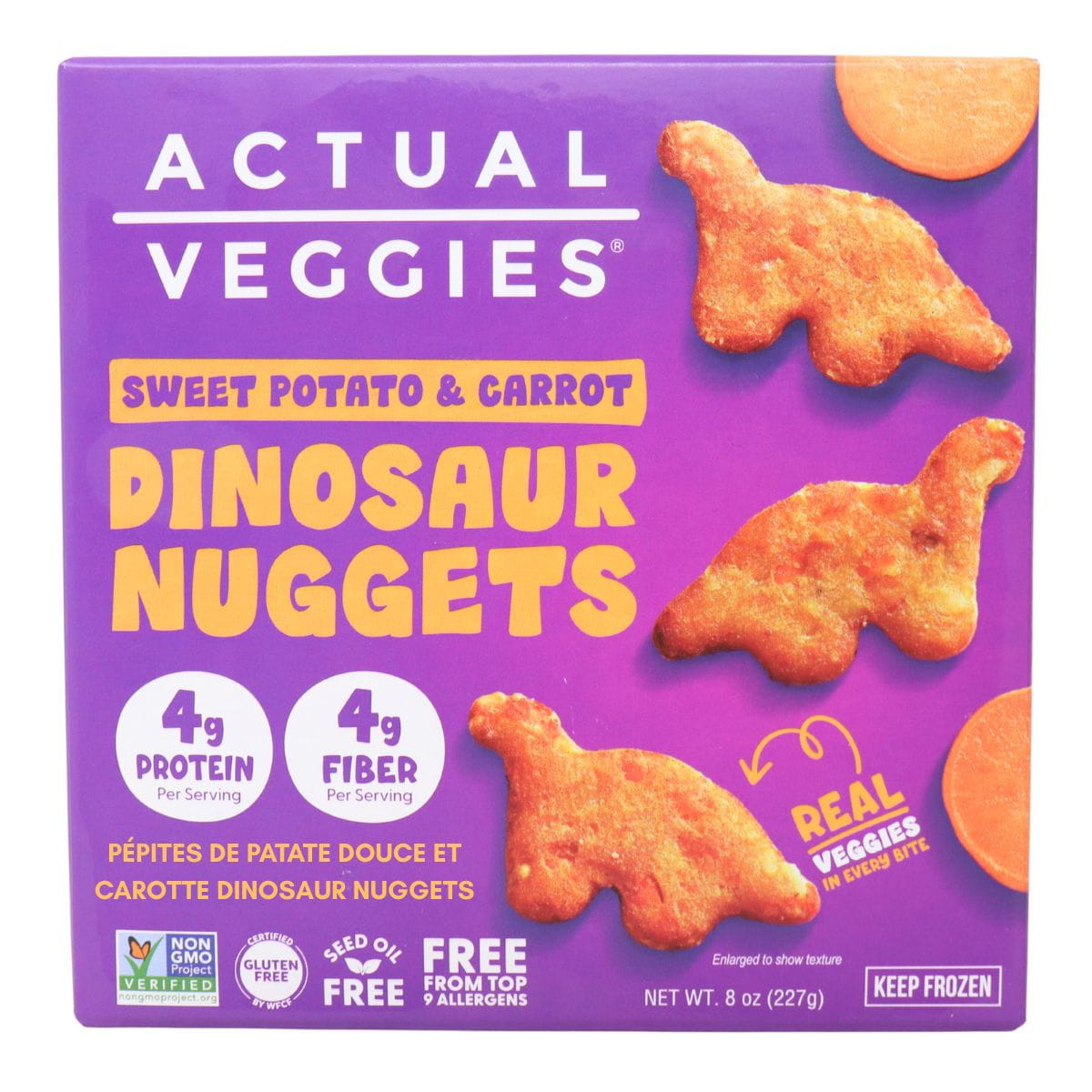
Zoo Nuggets
Summary
Zoo Nuggets are a processed food product containing white meat chicken and whole wheat flour, which are beneficial ingredients providing protein and fiber. However, the presence of multiple types of flour and starches indicates a moderate level of processing. While the product avoids harmful additives like artificial colors or seed oils, its processed nature limits its score.
At a glance
Key ingredients 8
White Meat ChickenGood
White meat chicken is a high-quality source of animal protein, providing essential amino acids. It is typically lower in fat compared to dark meat, making it a lean protein choice. The quality of the chicken can vary based on farming practices, but it generally supports muscle maintenance and growth.
Benefits
Rich in protein, which is essential for muscle repair and growth. Provides important nutrients such as B vitamins and selenium.
WaterNeutral
Water is used as a processing aid and does not contribute nutritional value. It is essential for maintaining moisture in the product. Water itself poses no health risks or benefits in this context.
See more about Water →Whole Wheat FlourGood
Whole wheat flour is a source of dietary fiber and essential nutrients. It is less processed than refined flour, retaining more of the grain's natural nutrients. This ingredient can support digestive health and provide sustained energy.
Risks
May contain gluten, which can be a concern for individuals with celiac disease or gluten sensitivity.
Benefits
Provides dietary fiber, which aids in digestion and helps maintain stable blood sugar levels.
Wheat FlourNeutral
Wheat flour is a common ingredient in processed foods, providing structure and texture. It is more refined than whole wheat flour, resulting in lower fiber content. While it is a staple in many diets, it lacks the nutritional benefits of whole grains.
Risks
Contains gluten, which can be problematic for those with gluten intolerance or celiac disease.
Benefits
Provides carbohydrates for energy, though it lacks the fiber and nutrients found in whole grains.
SaltNeutral
Salt is used to enhance flavor and preserve food. It is a necessary nutrient but should be consumed in moderation to avoid health issues. Excessive intake can lead to high blood pressure and other cardiovascular concerns.
Risks
High sodium intake is associated with increased risk of hypertension and cardiovascular diseases.
Benefits
Essential for maintaining fluid balance and nerve function in the body.
Yellow Corn FlourNeutral
Yellow corn flour is a processed grain product used for texture and flavor. It provides carbohydrates and some micronutrients but is less nutrient-dense than whole grains. It is commonly used in processed foods for its mild flavor and versatility.
Risks
May contribute to high glycemic load if consumed in large quantities.
Benefits
Provides carbohydrates for energy and contains some vitamins and minerals.
Rice StarchNeutral
Rice starch is used as a thickening agent and stabilizer in processed foods. It is derived from rice and is generally considered safe. It does not provide significant nutritional benefits but helps improve texture.
See more about Rice Starch →Tapioca StarchNeutral
Tapioca starch is a gluten-free thickening agent derived from cassava root. It is used to improve texture and consistency in food products. While it is a source of carbohydrates, it lacks significant nutritional value.
Benefits
Provides a gluten-free alternative for thickening and texture enhancement.
Processing
Processed Foods
Get the full breakdown in the Scout app
Scan any product to see lab results, healthy alternatives, and your personalized analysis.
Download on theApp Store