


At a glance
Summary
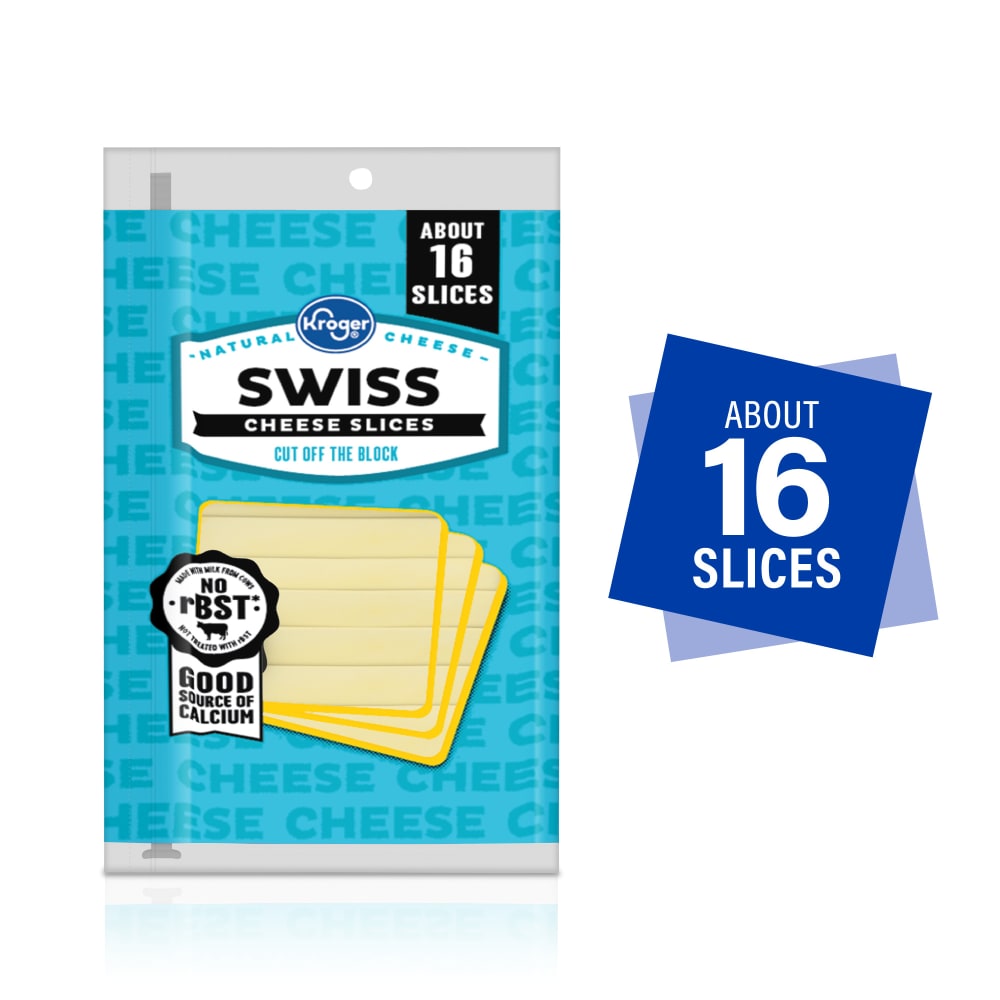
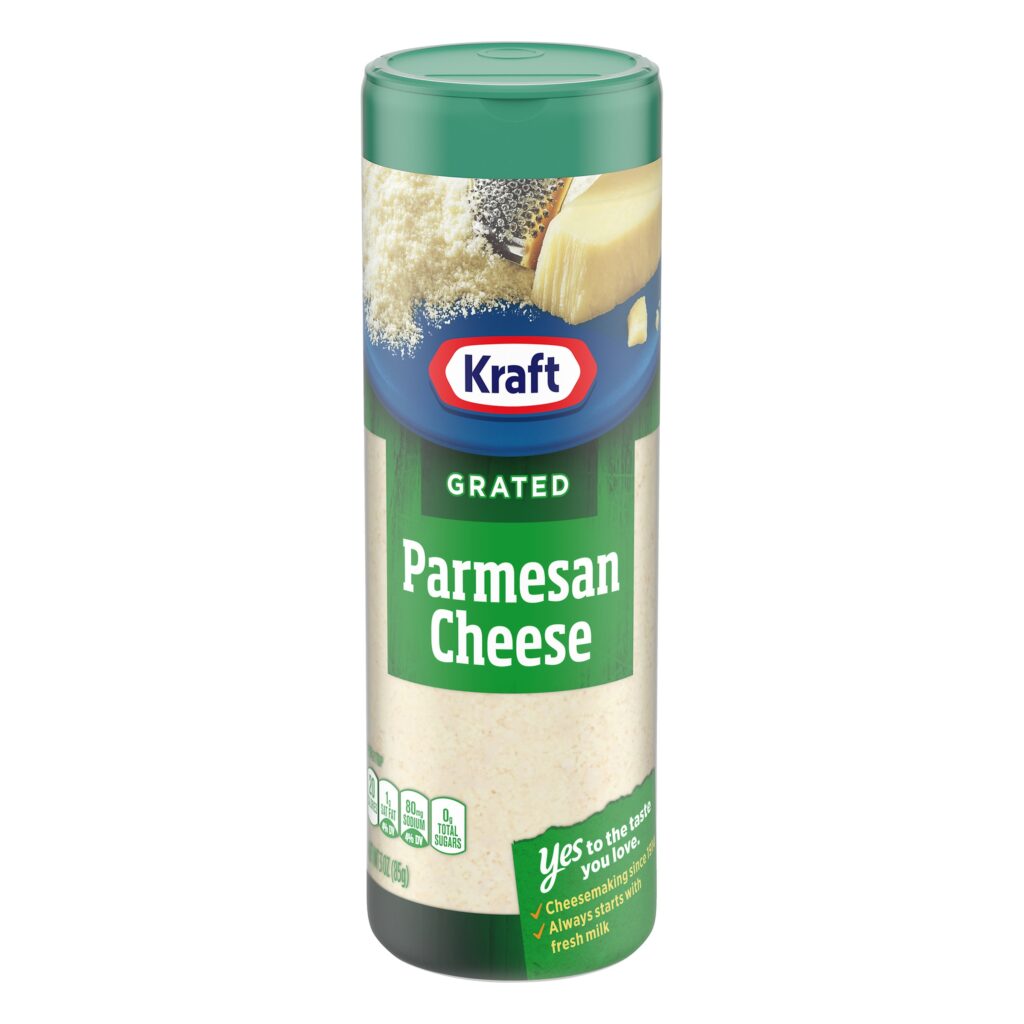
This product consists of simple, traditional cheese ingredients: part-skim milk, cheese culture, salt, and enzymes, which are indicative of a clean label. Despite being processed, it lacks harmful additives or seed oils, aligning it with traditional cheese standards. The minimal ingredient list and absence of artificial substances contribute to a favorable rating within the processed cheese category.
Key ingredients 4
Cheese cultureGood
Beneficial ingredient — whole-food or functional value in this product class.
Benefits
Contributes to the development of flavor and texture in cheese, enhancing its sensory qualities.
Part-skim milkNeutral
Part-skim milk is a primary ingredient in cheese, providing essential proteins and calcium. It is processed to remove some fat, which can reduce calorie content. The quality of milk can vary based on the source and treatment of the cows.
Benefits
Provides essential nutrients such as calcium and protein, which are important for bone health and muscle maintenance.
SaltNeutral
Salt is used in cheese for flavor enhancement and as a preservative. It helps control the growth of unwanted bacteria during cheese aging. Excessive consumption of salt can lead to health issues such as hypertension.
Risks
High sodium intake can contribute to hypertension and cardiovascular issues.
Benefits
Enhances flavor and acts as a preservative, helping to maintain the cheese's quality over time.
EnzymesNeutral
Enzymes are crucial in the cheese-making process, aiding in the coagulation of milk. They help convert milk into curds and whey, forming the basis of cheese. The type of enzyme used can influence the texture and flavor of the final product.
Benefits
Essential for the cheese-making process, contributing to the development of texture and flavor.
Processing
Processed Foods
Get the full breakdown in the Scout appTake Scout shopping
Scan any product to see lab results, healthy alternatives, and your personalized analysis.
Download on theApp Store GET IT ONGoogle Play