
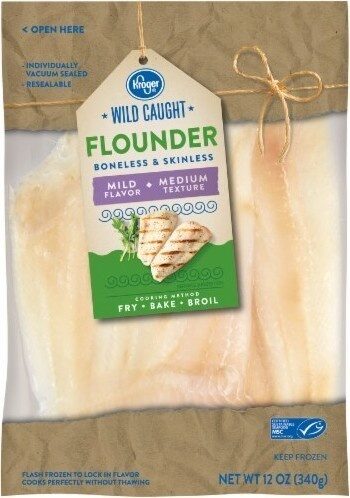

KROGER, WILD-CAUGHT BONELESS & SKINLESS FLOUNDER
KrogerAnalysis updated June 2026 · How Scout scores
At a glance
Summary
This product is primarily composed of wild-caught flounder, which is a high-quality source of lean protein and beneficial omega-3 fatty acids. However, the inclusion of sodium tripolyphosphate as a moisture-retaining agent introduces a synthetic additive that can increase sodium content and potentially affect mineral balance. Despite its nutritional benefits, the product's processing level limits its score.
Key ingredients 2
FlounderGood
Flounder is a high-quality source of lean protein, providing essential amino acids necessary for muscle repair and growth. Being wild-caught, it is less likely to contain contaminants compared to farmed fish. It is also a good source of omega-3 fatty acids, which are beneficial for heart health.
Benefits
Rich in protein and omega-3 fatty acids, supporting cardiovascular health and muscle maintenance.
Sodium tripolyphosphateBad
Sodium tripolyphosphate is used as a moisture-retaining agent in seafood products. It is a synthetic additive that can increase the sodium content of the product, which may be a concern for individuals monitoring their sodium intake. Overconsumption of phosphates can lead to imbalances in calcium and phosphorus levels in the body.
Risks
Excessive intake may contribute to high sodium levels and potential phosphate imbalances, affecting bone health.
Processing
Ultra-Processed Foods
Get the full breakdown in the Scout appTake Scout shopping
Scan any product to see lab results, healthy alternatives, and your personalized analysis.
Download on theApp Store GET IT ONGoogle Play