
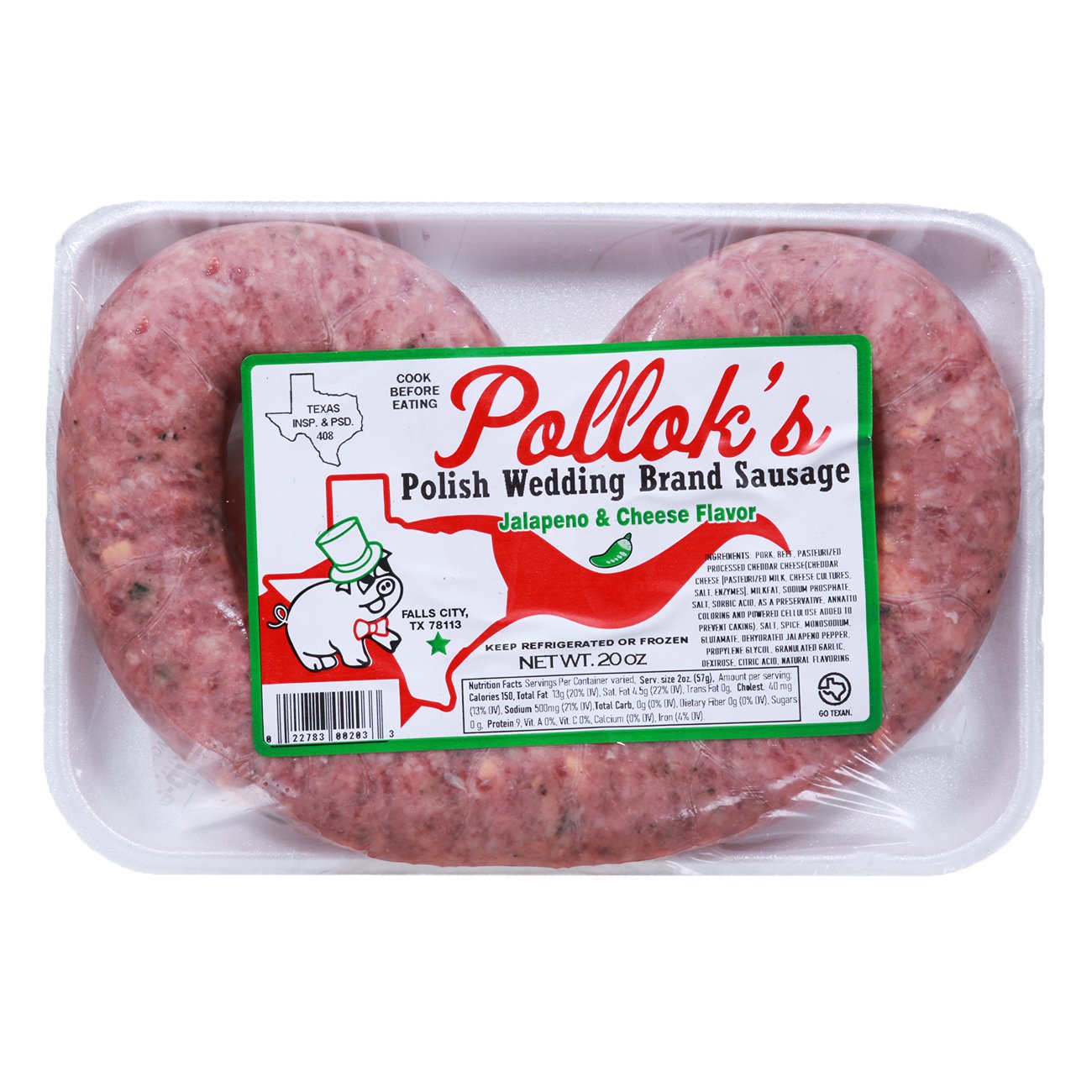


Polloks Polish Wedding Jalapeno And Cheese Sausage
Analysis updated August 2026 · How Scout scores
At a glance
Summary
This sausage product contains beneficial ingredients like pork, beef, and dehydrated jalapeno peppers, which provide protein and essential nutrients. However, it also includes processed cheddar cheese, monosodium glutamate, and propylene glycol, which are indicative of a higher level of processing. The presence of these additives and the vague 'natural flavoring' term contribute to a moderate processing score, limiting its overall healthiness.
Key ingredients 12
PorkGood
Pork is a high-quality source of protein and essential nutrients. It provides a rich amino acid profile necessary for muscle maintenance and repair. When sourced from well-raised animals, it can be a nutritious component of a balanced diet.
Risks
Potential risks include high saturated fat content and the possibility of contamination if not cooked properly.
Benefits
Rich in protein and essential vitamins such as B12, which supports energy metabolism and neurological function.
BeefGood
Beef is a nutrient-dense source of high-quality protein and essential vitamins and minerals. It provides iron, zinc, and B vitamins, which are crucial for various bodily functions. Grass-fed beef is particularly beneficial due to higher omega-3 fatty acids and antioxidants.
Risks
Excessive consumption may lead to increased cholesterol levels and heart disease risk.
Benefits
Provides essential nutrients like iron and zinc, supporting immune function and energy levels.
Dehydrated jalapeno pepperGood
Dehydrated jalapeno peppers add flavor and heat, along with vitamins and antioxidants. They are a natural ingredient that can enhance the nutritional profile of foods. Capsaicin, the active compound, may have metabolism-boosting properties.
Risks
May cause irritation or discomfort in individuals sensitive to spicy foods.
Benefits
Contains capsaicin, which may boost metabolism and provide antioxidant benefits.
Granulated garlicGood
Granulated garlic provides flavor and potential health benefits due to its antioxidant properties. It is a natural ingredient that can support immune function. Garlic is known for its potential cardiovascular benefits.
Benefits
Contains antioxidants and compounds that may support heart health and immune function.
Pasteurized processed cheddar cheeseNeutral
Processed cheddar cheese offers calcium and protein but may contain additives and preservatives. The pasteurization process ensures safety by eliminating harmful bacteria. However, it may have lower nutritional value compared to natural cheese.
Risks
May contain high levels of sodium and saturated fats, which can impact heart health if consumed in excess.
Benefits
Provides calcium and protein, supporting bone health and muscle function.
SaltNeutral
Salt is essential for maintaining fluid balance and nerve function. It is a common seasoning that enhances flavor. However, excessive intake can lead to hypertension and cardiovascular issues.
Risks
High sodium intake is associated with increased blood pressure and cardiovascular disease risk.
Benefits
Essential for maintaining electrolyte balance and proper muscle function.
SpiceNeutral
Spices add flavor and can have antioxidant properties. They are generally considered safe and beneficial in small amounts. The specific health impact depends on the type of spice used.
Benefits
May provide antioxidants and enhance the flavor profile of foods.
Citric acidNeutral
Citric acid is a natural preservative and flavor enhancer found in citrus fruits. It is widely used in food processing for its acidic properties. Generally recognized as safe, it can help preserve freshness and enhance flavor.
Benefits
Acts as a natural preservative and can enhance the flavor of foods.
Monosodium glutamateBad
Monosodium glutamate (MSG) is used as a flavor enhancer in many processed foods. It can cause adverse reactions in sensitive individuals, such as headaches or nausea. While generally recognized as safe, its consumption should be moderated.
Risks
May cause headaches, nausea, or other symptoms in sensitive individuals.
Benefits
Enhances the umami flavor of foods, making them more palatable.
Propylene glycolBad
Propylene glycol is a synthetic additive used to retain moisture in foods. It is generally recognized as safe but can cause allergic reactions in some individuals. Its presence in food is often seen as a marker of processing.
Risks
May cause allergic reactions or skin irritation in sensitive individuals.
DextroseBad
Refined added sugar.
Risks
Excessive consumption can lead to blood sugar spikes and contribute to metabolic issues.
Benefits
Provides a quick source of energy, useful in certain dietary contexts.
Natural flavoringBad
Natural flavoring is a vague term that can include a wide range of substances. It lacks transparency, making it difficult to assess its health impact. While derived from natural sources, it may still contain additives or allergens.
Risks
Lack of transparency can lead to potential allergen exposure or consumption of unwanted additives.
Processing
Processed Foods
Get the full breakdown in the Scout appTake Scout shopping
Scan any product to see lab results, healthy alternatives, and your personalized analysis.
Download on theApp Store GET IT ONGoogle Play