



Near you
Aldi is carried at Aldi stores. Find one within 25 miles.
At a glance
Summary
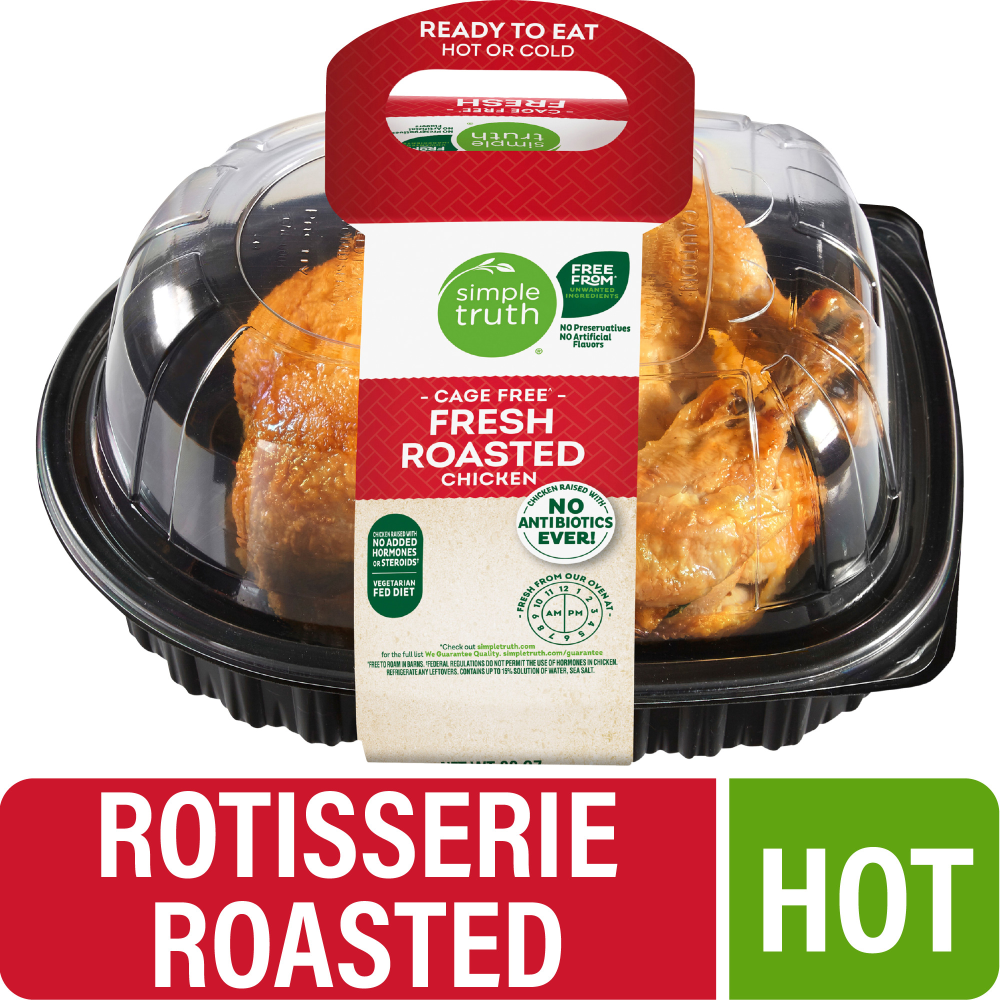
This product contains high-quality chicken breast, which is a good source of lean protein. However, it is heavily processed and includes additives such as natural flavors, sodium phosphate, and calcium disodium EDTA, which are used to enhance flavor and preserve the product but may pose health concerns. The level of processing and presence of these additives limit its overall healthiness despite the beneficial protein content.
Key ingredients 10
Chicken breast with rib meatGood
Chicken breast is a high-quality source of lean protein. It provides essential amino acids necessary for muscle repair and growth. The inclusion of rib meat adds flavor and juiciness.
Benefits
Rich in protein, which is essential for muscle maintenance and overall health. Low in fat, making it a healthy choice for those monitoring their fat intake.
WaterNeutral
Water is used as a solvent and to maintain moisture in the product. It is a neutral ingredient with no direct nutritional impact. Its presence helps in achieving the desired texture and consistency.
See more about Water →Dehydrated chicken brothNeutral
Dehydrated chicken broth adds flavor and depth to the product. It is made by removing water from chicken stock, concentrating the flavors. While it enhances taste, it does not significantly contribute to nutritional value.
Risks
May contain added sodium, which could be a concern for individuals monitoring their salt intake.
Benefits
Provides a savory flavor that enhances the overall taste of the product.
Rice starchNeutral
Rice starch is used as a thickening agent in food products. It is derived from rice and is generally considered safe. It contributes to the texture without adding significant nutritional value.
Benefits
Provides a smooth texture and consistency to the product.
SaltNeutral
Salt is used to enhance flavor and preserve the product. It is a common culinary ingredient but should be consumed in moderation. Excessive intake can lead to health issues such as hypertension.
Risks
High sodium intake is associated with increased risk of hypertension and cardiovascular diseases.
Benefits
Enhances flavor and acts as a preservative.
VinegarNeutral
Vinegar is used for its acidic properties and flavor enhancement. It is a natural preservative and can add a tangy taste to foods. It is generally considered safe and has minimal nutritional impact.
Benefits
May aid in flavor enhancement and preservation.
Xanthan gumNeutral
Xanthan gum is a common food additive used as a thickener and stabilizer. It is produced through fermentation and is generally recognized as safe. It helps maintain the desired consistency of the product.
Risks
May cause digestive issues in sensitive individuals when consumed in large amounts.
Benefits
Contributes to the texture and stability of the product.
Natural flavorBad
Natural flavors are often used to enhance taste but lack transparency in their composition. They can be derived from various sources and may include additives. The lack of specificity makes it difficult to assess their health impact.
Risks
Potential allergens or additives may be present, posing a risk to sensitive individuals.
Sodium phosphateBad
Sodium phosphate is used as an emulsifier and preservative in processed foods. It can contribute to the product's texture and shelf life. However, excessive consumption of phosphates may lead to health concerns.
Risks
High phosphate intake can affect kidney function and bone health.
Benefits
Improves texture and stability of the product.
Calcium disodium EDTABad
Calcium disodium EDTA is used as a preservative to protect flavor and prevent spoilage. It is a synthetic additive that can bind metals and prevent oxidation. While effective, it is not a natural ingredient and may pose health concerns.
Risks
Potential to cause digestive discomfort and may affect mineral absorption.
Benefits
Helps maintain product freshness and flavor stability.
Processing
Ultra-Processed Foods
Get the full breakdown in the Scout appTake Scout shopping
Scan any product to see lab results, healthy alternatives, and your personalized analysis.
Download on theApp Store GET IT ONGoogle Play