

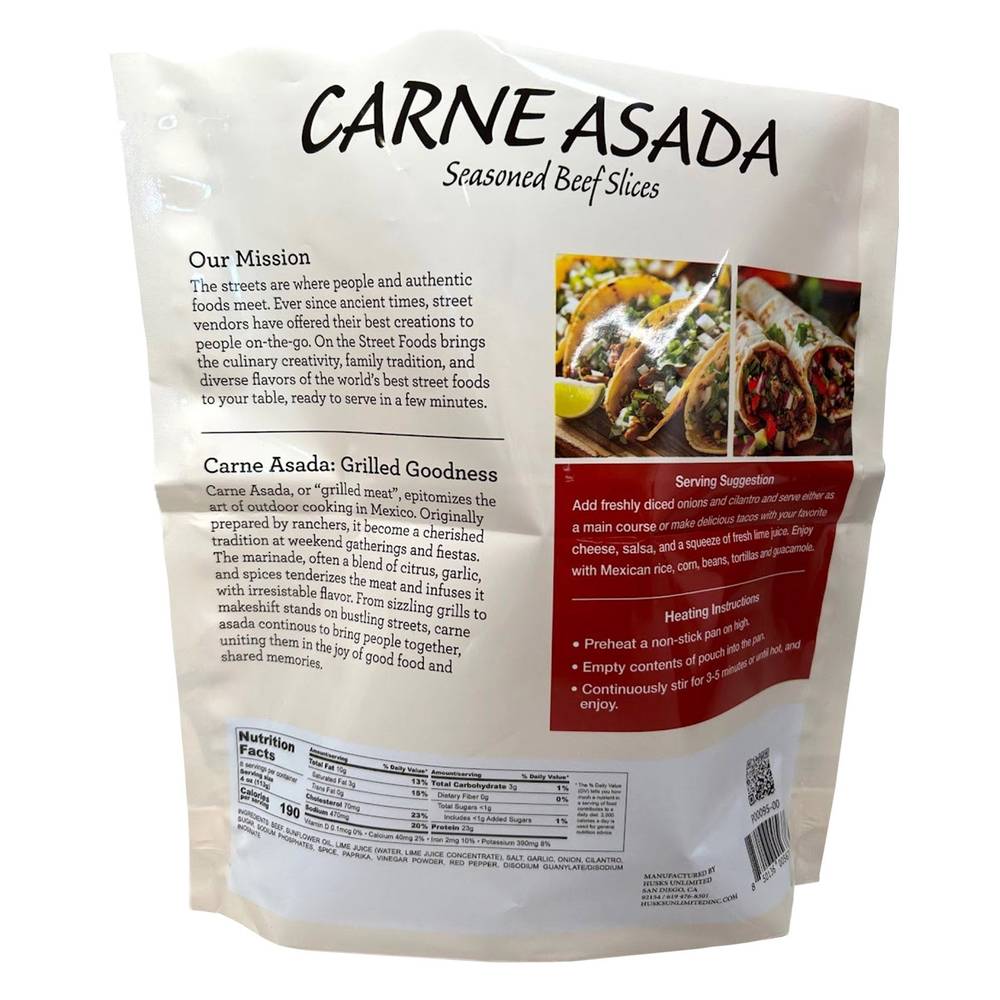
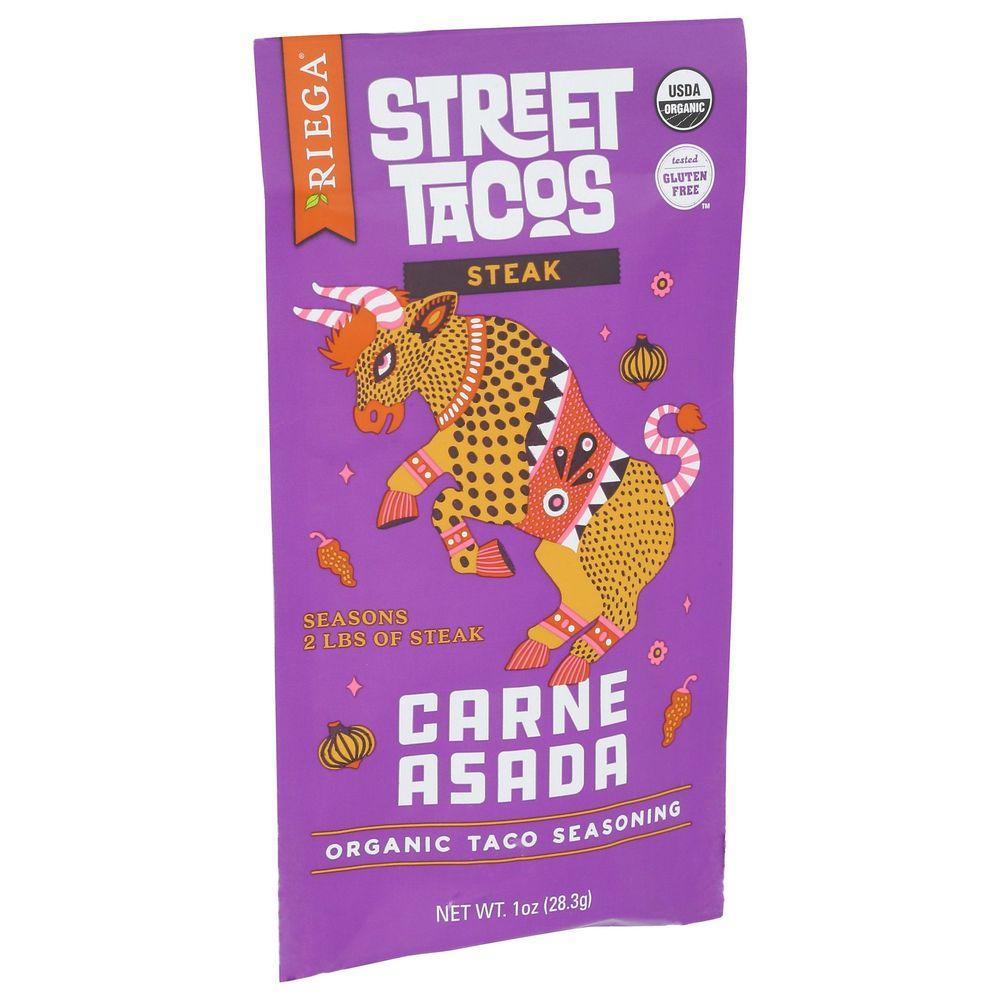






Boneless Beef Chuck Steak Carne Asada
Kirkland SignatureAnalysis updated September 2026 · How Scout scores
Near you
Kirkland Signature is carried at Costco stores. Find one within 25 miles.
At a glance
Summary
This product consists of beef chuck steak seasoned with a blend that includes beneficial spices like paprika, celery, dehydrated garlic, and onion, which add flavor and some nutritional benefits. However, the presence of sugar and encapsulated sodium chloride with hydrogenated soybean oil introduces concerns, as sugar is a refined carbohydrate and hydrogenated oils are linked to health issues. The product is moderately processed, which limits its score despite the presence of some beneficial ingredients.
Key ingredients 10
PaprikaGood
Paprika is a spice made from ground peppers, providing flavor and color to dishes. It contains antioxidants such as vitamin A and capsaicin. The spice is minimally processed, retaining its natural benefits.
Benefits
Rich in antioxidants and vitamins, supporting immune function and reducing inflammation.
SpicesGood
Whole-food seasonings, antioxidant-bearing.
Risks
Potential for allergic reactions in sensitive individuals depending on the specific spices used.
Benefits
May provide antioxidants and enhance the flavor profile of the dish.
CeleryGood
Celery is a low-calorie vegetable often used for its flavor and nutritional benefits. It contains vitamins such as vitamin K and folate. The vegetable is typically consumed in its whole form, retaining its natural nutrients.
Benefits
Provides dietary fiber and essential vitamins, supporting digestive health and reducing inflammation.
Dehydrated garlicGood
Dehydrated garlic retains much of the flavor and health benefits of fresh garlic. It contains compounds like allicin, which have antimicrobial and cardiovascular benefits. The dehydration process preserves the garlic for longer shelf life without significant nutrient loss.
Benefits
Offers antimicrobial properties and supports heart health through its active compounds.
Dehydrated onionGood
Dehydrated onion provides flavor and some of the nutritional benefits of fresh onion. It contains antioxidants and sulfur compounds beneficial for health. The dehydration process extends shelf life while maintaining essential nutrients.
Benefits
Rich in antioxidants and may support immune health and reduce inflammation.
Sliced beef chuck rollNeutral
Beef chuck roll is a cut of meat that provides a good source of protein and essential nutrients. It is not specified as grass-fed or organic, which may affect its nutritional profile. The quality of the meat can vary based on sourcing and processing methods.
Risks
Potential risks include high saturated fat content, which may impact heart health if consumed in excess.
Benefits
Provides essential amino acids and nutrients such as iron and zinc, important for muscle and overall health.
Encapsulated sodium chlorideNeutral
Encapsulated sodium chloride is used to control the release of salt in food products. It is a refined form of salt without additional trace minerals. The encapsulation process helps in maintaining flavor and texture in processed foods.
Risks
Excessive sodium intake can lead to hypertension and cardiovascular issues.
Benefits
Helps in flavor enhancement and preservation of the product.
Rice flourNeutral
Rice flour is a gluten-free alternative used as a thickening agent or coating. It is a refined carbohydrate with limited nutritional benefits. The flour is processed from rice grains, removing some of the natural fiber and nutrients.
Risks
May contribute to increased blood sugar levels if consumed in large quantities.
Benefits
Provides a gluten-free option for those with celiac disease or gluten intolerance.
Calcium stearateNeutral
Calcium stearate is used as a processing aid to prevent caking and improve texture. It is a salt of stearic acid and calcium, generally recognized as safe in small amounts. The compound is commonly used in food processing without significant health impacts.
Benefits
Helps maintain product consistency and prevents clumping.
SugarBad
Sugar is a refined carbohydrate that can contribute to various health issues when consumed in excess. It provides empty calories without essential nutrients. High sugar intake is linked to obesity, diabetes, and dental problems.
Risks
Excessive consumption can lead to weight gain, insulin resistance, and increased risk of chronic diseases.
Processing
Processed Foods
Get the full breakdown in the Scout appTake Scout shopping
Scan any product to see lab results, healthy alternatives, and your personalized analysis.
Download on theApp Store GET IT ONGoogle Play