
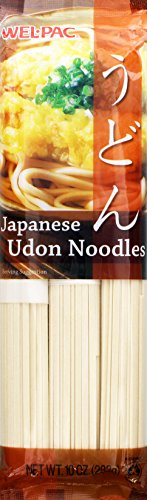


Wel-Pac JAPANESE UDON NOODLES
Analysis updated August 2026 · How Scout scores
At a glance
Summary
This product consists of simple ingredients: wheat flour, salt, and water, which contribute to a clean label with minimal additives. The processing level is moderate, but the absence of harmful additives or seed oils supports a higher score within its category. The nutritional profile is balanced, with a reasonable amount of protein and low sugar content, making it a healthier option among processed foods.
Key ingredients 3
SaltNeutral
Salt is used to enhance flavor and preserve food. It is a refined product without the trace minerals found in unrefined salts. Excessive consumption can lead to health issues like hypertension.
Risks
High sodium intake is associated with increased risk of hypertension and cardiovascular diseases.
Benefits
Essential for maintaining fluid balance and nerve function in the body.
WaterNeutral
Water is a fundamental ingredient used in food preparation and processing. It is essential for hydration and various bodily functions. In this context, it acts as a medium for mixing and cooking.
Benefits
Crucial for hydration and supports various physiological processes.
Wheat flourBad
Refined grain flour stripped of bran and germ.
Risks
May cause allergic reactions in individuals with gluten intolerance or celiac disease.
Benefits
Provides energy through carbohydrates and contains some protein, which is essential for body functions.
Processing
Processed Foods
Get the full breakdown in the Scout appTake Scout shopping
Scan any product to see lab results, healthy alternatives, and your personalized analysis.
Download on theApp Store GET IT ONGoogle PlayAmazon pricing & content
Amazon price as of . Product prices and availability are accurate as of the date/time indicated and are subject to change. Any price and availability information displayed on Amazon.com at the time of purchase will apply to the purchase of this product.
CERTAIN CONTENT THAT APPEARS ON THIS SITE COMES FROM AMAZON. THIS CONTENT IS PROVIDED “AS IS” AND IS SUBJECT TO CHANGE OR REMOVAL AT ANY TIME.