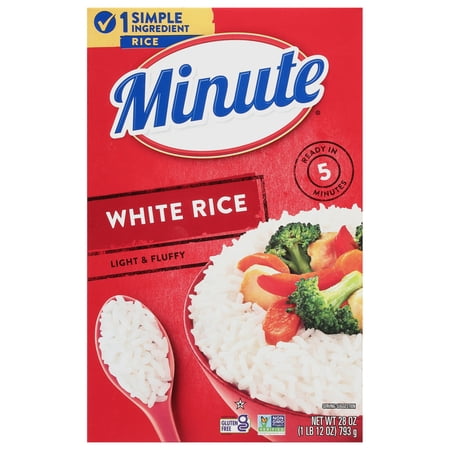
Minute WHITE RICE
At a glance
Summary
Minute White Rice is a minimally processed product with added nutrients such as niacin, iron, thiamin, and folic acid, which enhance its nutritional profile. The fortification helps prevent deficiencies, making it a beneficial choice for those relying on rice as a staple. However, it lacks fiber and other whole grain benefits, which slightly impacts its overall health score compared to whole grains. Its plastic packaging can shed microplastics into the food and lowers its score.
Key ingredients 5
NiacinGood
Niacin, also known as vitamin B3, is essential for energy metabolism and DNA repair. It is added to enriched rice to enhance its nutritional profile. This fortification helps prevent deficiencies in populations relying heavily on rice.
Benefits
Supports energy production and maintains healthy skin and nerves. Fortification helps prevent niacin deficiency in diets lacking diverse food sources.
Iron (ferric orthophosphate)Good
Iron is a crucial mineral for oxygen transport in the blood. Ferric orthophosphate is a form used in food fortification to prevent iron deficiency anemia. It is particularly beneficial in diets low in natural iron sources.
Risks
Excessive iron intake can lead to toxicity, but this risk is low with typical consumption of fortified foods.
Benefits
Essential for the production of hemoglobin and myoglobin, supporting oxygen transport and energy metabolism. Fortification helps prevent iron deficiency, especially in vulnerable populations.
Thiamin (thiamin mononitrate)Good
Thiamin, or vitamin B1, is vital for carbohydrate metabolism and nerve function. Thiamin mononitrate is a stable form used in fortification to enhance nutritional value. It helps prevent beriberi, a disease caused by thiamin deficiency.
Benefits
Supports energy metabolism and proper nerve function. Fortification ensures adequate intake in diets lacking diverse food sources.
RiceNeutral
Rice is a staple carbohydrate source providing energy. It is minimally processed in this form, retaining its natural properties. However, it lacks significant amounts of fiber and micronutrients compared to whole grain alternatives.
Benefits
Provides a quick source of energy due to its carbohydrate content. Easily digestible and versatile in various culinary applications.
Folic acidNeutral
Standard formulation ingredient — neither beneficial nor harmful at typical use.
Risks
Excessive intake can mask vitamin B12 deficiency, but this is unlikely with typical consumption of fortified foods.
Benefits
Crucial for DNA synthesis and cell division, particularly important during pregnancy. Fortification helps prevent neural tube defects and supports overall health.
Processing
Unprocessed or Minimally Processed Foods
Get the full breakdown in the Scout appTake Scout shopping
Scan any product to see lab results, healthy alternatives, and your personalized analysis.
Are you Minute? Fix an error Get the badge Get tested
Amazon pricing & content
Amazon price as of . Product prices and availability are accurate as of the date/time indicated and are subject to change. Any price and availability information displayed on Amazon.com at the time of purchase will apply to the purchase of this product.
CERTAIN CONTENT THAT APPEARS ON THIS SITE COMES FROM AMAZON. THIS CONTENT IS PROVIDED “AS IS” AND IS SUBJECT TO CHANGE OR REMOVAL AT ANY TIME.