


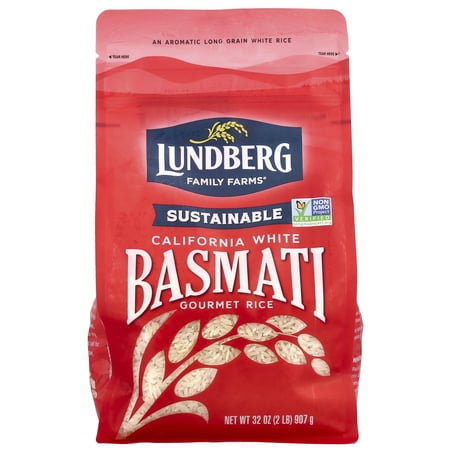
White Rice Enriched Long Grain
Analysis updated September 2026 · How Scout scores
At a glance
Summary
This product is a minimally processed whole grain, enriched with essential nutrients like iron and vitamins. The ingredient list is short and free from harmful additives, making it a healthy choice. Its processing level is low, which contributes to its high score, although it lacks the organic certification that could further enhance its rating.
Key ingredients 5
NiacinGood
Beneficial ingredient — whole-food or functional value in this product class.
Risks
High doses of niacin can cause flushing and liver damage, but such effects are rare from fortified foods.
Benefits
Supports energy metabolism and overall health by contributing to the function of enzymes in the body.
Long grain parboiled riceNeutral
Long grain parboiled rice is a staple food providing carbohydrates as a primary energy source. It undergoes a parboiling process that retains some nutrients compared to regular white rice. However, it lacks significant amounts of fiber and micronutrients found in whole grains.
Benefits
Provides a source of energy through carbohydrates and has a longer shelf life due to the parboiling process.
Iron phosphateNeutral
Iron phosphate is used to fortify foods with iron, an essential mineral for oxygen transport in the blood. It is a stable form of iron that is less likely to cause gastrointestinal discomfort compared to other iron supplements. However, it does not provide additional nutritional benefits beyond iron fortification.
Risks
Excessive iron intake can lead to toxicity, but this is unlikely from fortified foods alone.
Benefits
Helps prevent iron deficiency anemia by providing a source of dietary iron.
Thiamine mononitrateNeutral
Thiamine mononitrate is a form of vitamin B1 used to fortify foods, essential for energy metabolism and nerve function. It is stable and effective in preventing thiamine deficiency. However, it does not offer additional benefits beyond its role as a vitamin supplement.
Benefits
Prevents thiamine deficiency and supports energy production and nerve health.
Folic acidNeutral
Folic acid is a synthetic form of folate used in food fortification to prevent neural tube defects. It is crucial for DNA synthesis and cell division. While beneficial, it is best absorbed from natural food sources.
Risks
Excessive intake of folic acid can mask vitamin B12 deficiency, but this is unlikely from fortified foods alone.
Benefits
Supports fetal development and reduces the risk of neural tube defects during pregnancy.
Processing
Unprocessed or Minimally Processed Foods
Get the full breakdown in the Scout appTake Scout shopping
Scan any product to see lab results, healthy alternatives, and your personalized analysis.
Download on theApp Store GET IT ONGoogle Play