


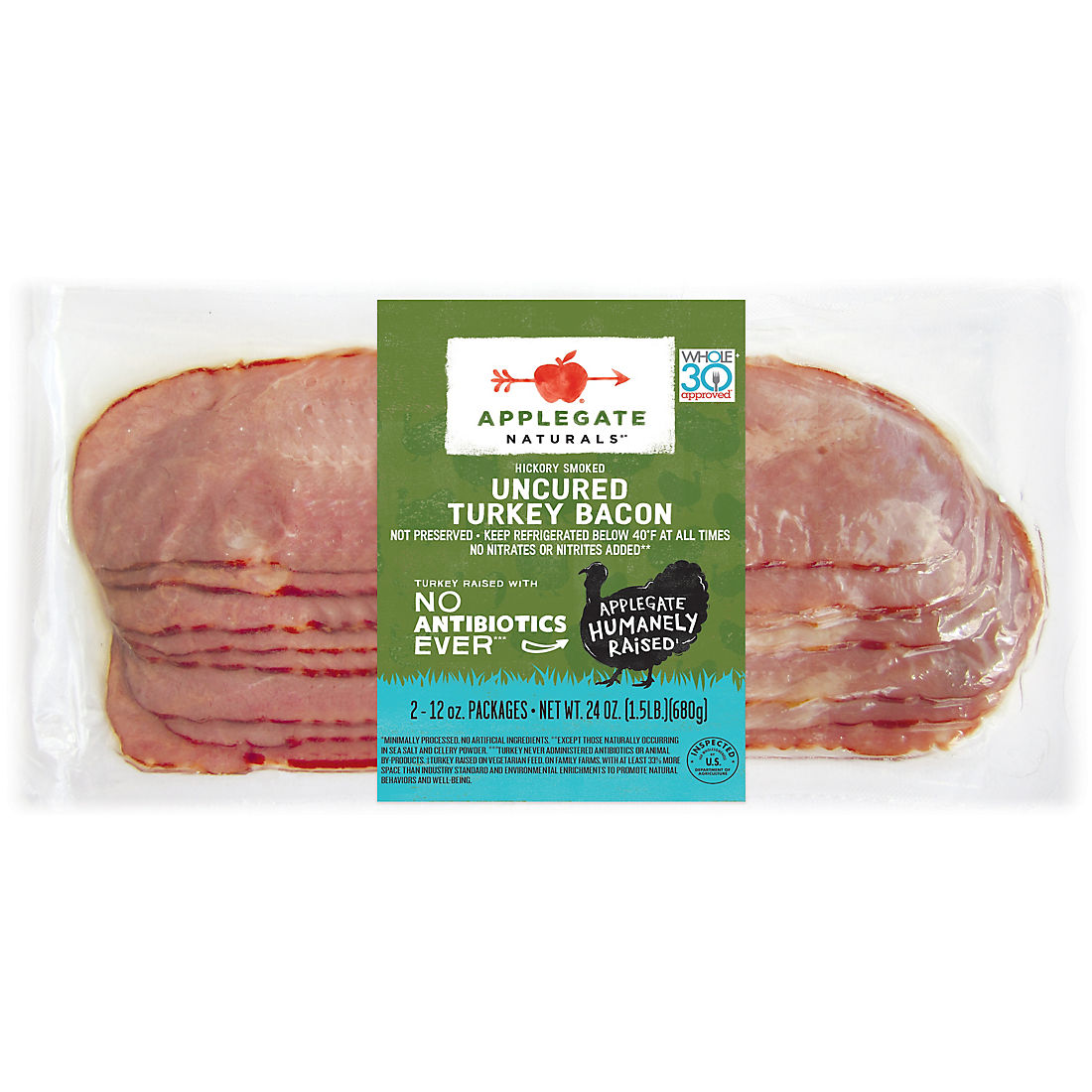
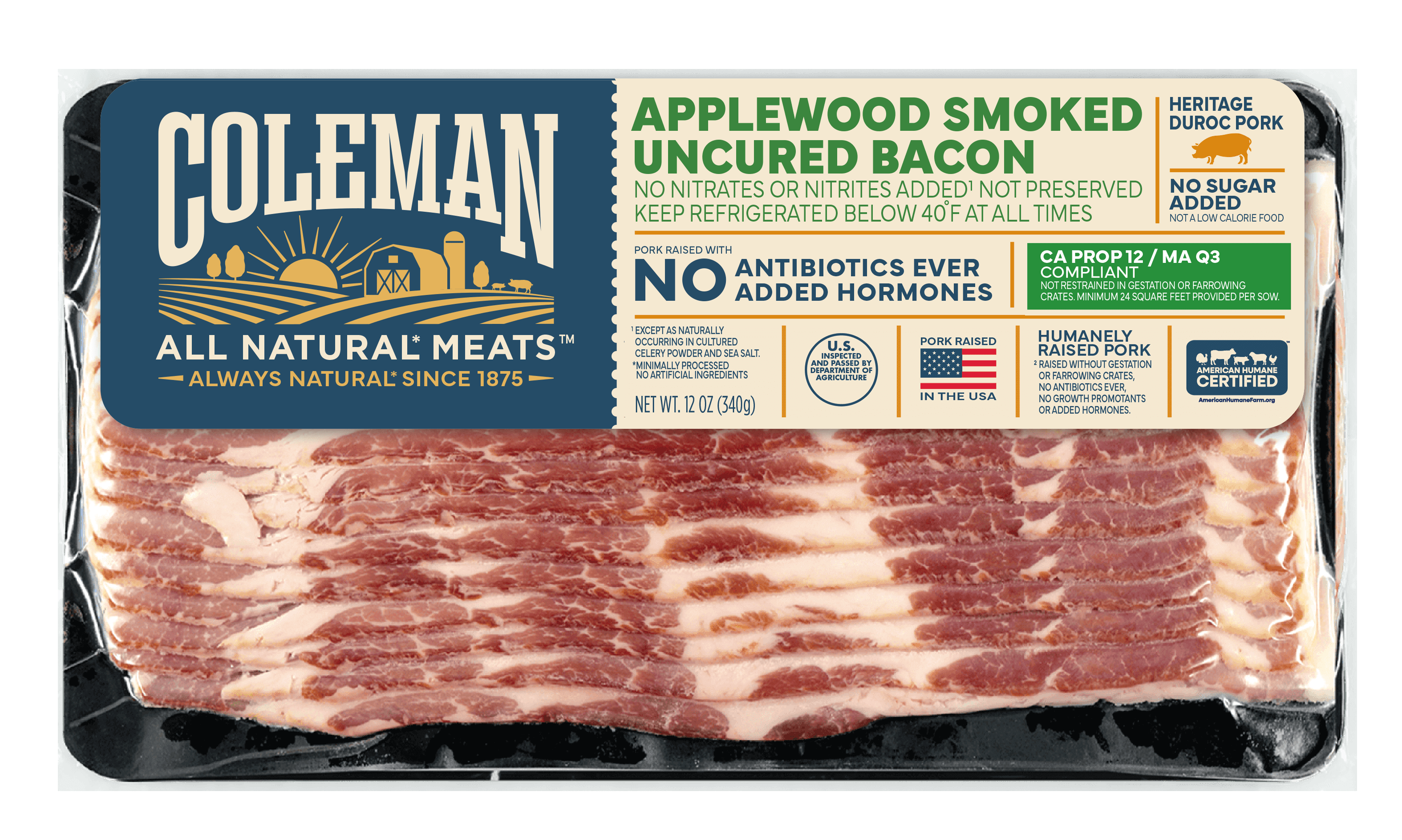

Dry Cured Outdoor Bred British Bacon Rashers
Analysis updated June 2026 · How Scout scores
At a glance
Summary
This product is a processed food with a moderate level of additives, including sodium nitrite and sodium nitrate, which are used as preservatives but have potential health risks. While it contains high-quality British pork and sea salt, the presence of sugar and preservatives limits its healthfulness. The processing level and inclusion of these additives prevent it from achieving a higher score.
Key ingredients 6
British PorkGood
British Pork is a high-quality source of protein and essential nutrients. It provides a rich amino acid profile necessary for muscle maintenance and repair. The outdoor bred aspect suggests better animal welfare and potentially higher nutrient quality.
Benefits
Rich in protein and essential vitamins and minerals such as B vitamins and zinc, supporting overall health and well-being.
Sea SaltGood
Sea Salt is a natural source of sodium and trace minerals. It is minimally processed compared to refined table salt. The presence of trace minerals can support electrolyte balance and overall health.
Risks
Excessive consumption of sodium can lead to high blood pressure and cardiovascular issues.
Benefits
Provides essential sodium and trace minerals that are important for maintaining fluid balance and nerve function.
Sodium AscorbateNeutral
Sodium Ascorbate is an antioxidant used to preserve color and flavor in processed foods. It is a form of vitamin C, which is essential for immune function and skin health. However, in this context, it primarily serves as a preservative rather than a nutrient source.
Benefits
Acts as an antioxidant and can help maintain the quality of processed foods.
SugarBad
Sugar is a refined carbohydrate that can contribute to increased calorie intake without providing essential nutrients. Excessive consumption is linked to various health issues such as obesity and type 2 diabetes. It is often added to enhance flavor but offers no nutritional benefits.
Risks
High intake of sugar can lead to weight gain, insulin resistance, and increased risk of chronic diseases.
Sodium NitriteBad
Sodium Nitrite is used as a preservative and color fixative in processed meats. It can form nitrosamines, which are potential carcinogens, especially when meats are cooked at high temperatures. While it helps prevent bacterial growth, its health risks are a concern.
Risks
Potential formation of carcinogenic nitrosamines when exposed to high heat.
Benefits
Helps prevent the growth of harmful bacteria in processed meats.
Sodium NitrateBad
Sodium Nitrate is a preservative that helps maintain the color and extend the shelf life of processed meats. It can convert to nitrites in the body, which may form harmful nitrosamines. Its use is controversial due to potential health risks.
Risks
May contribute to the formation of nitrosamines, which are linked to cancer risk.
Benefits
Preserves meat and prevents spoilage by inhibiting bacterial growth.
Processing
Processed Foods
Get the full breakdown in the Scout appTake Scout shopping
Scan any product to see lab results, healthy alternatives, and your personalized analysis.
Download on theApp Store GET IT ONGoogle Play