


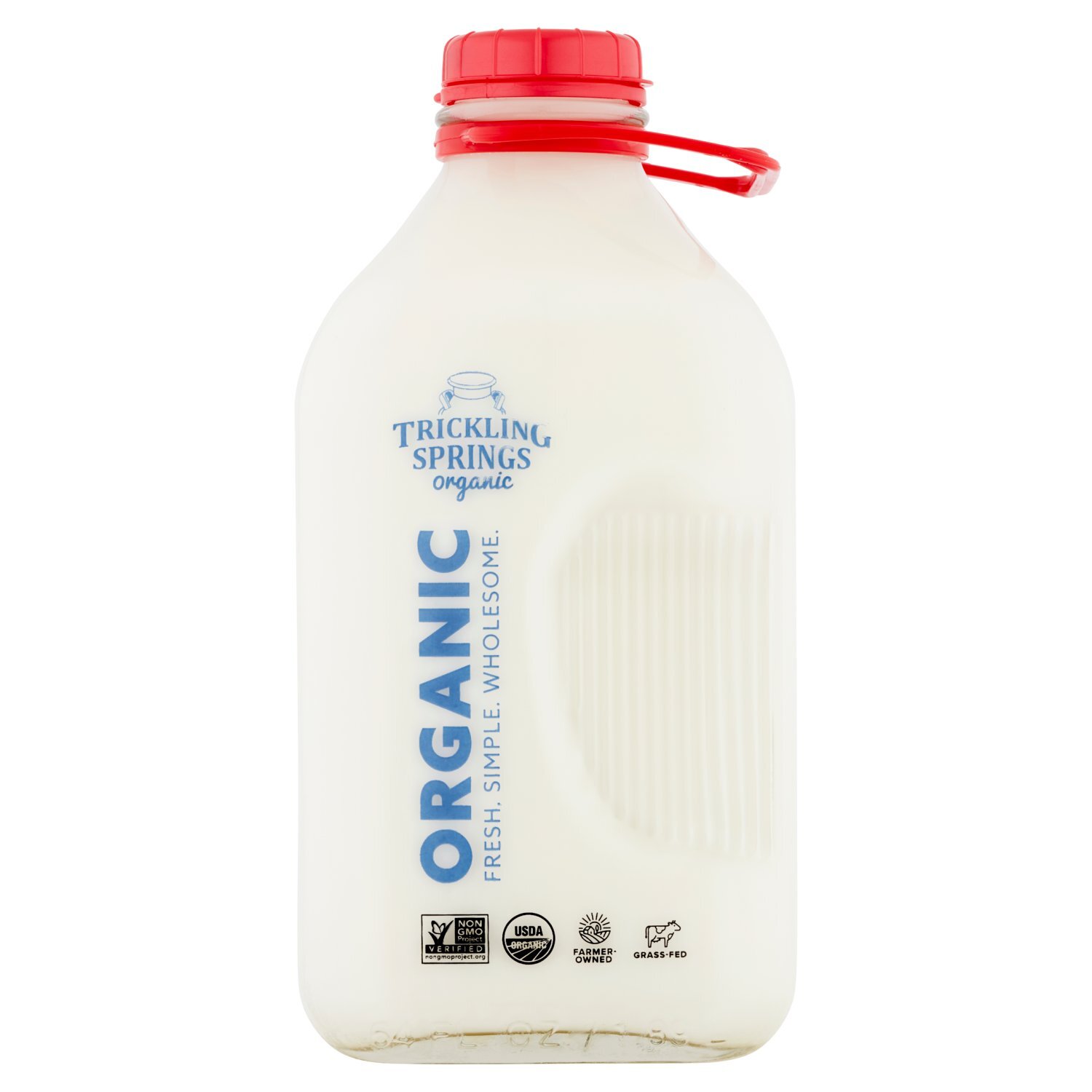

Chocolate Whole Milk
Analysis updated June 2026 · How Scout scores
At a glance
Summary
This chocolate whole milk is a processed product with added sugar and carrageenan, which can contribute to health concerns such as weight gain and digestive issues. While it contains beneficial ingredients like milk and cocoa, the presence of refined sugar and a thickening agent, along with its processing level, limits its overall healthiness.
Key ingredients 8
MilkGood
Milk provides essential nutrients and is a natural source of calcium, making it a beneficial ingredient.
See more about Milk →Natural VanillaGood
Natural vanilla adds flavor naturally and is generally considered a safe, beneficial ingredient.
See more about Natural Vanilla →Cocoa (Processed With Alkali)Neutral
Processed cocoa offers flavor but contains compounds that may reduce antioxidant levels.
See more about Cocoa (Processed With Alkali) →CornstarchNeutral
Cornstarch is used as a thickener but provides little nutritional value.
See more about Cornstarch →SaltNeutral
Salt enhances flavor but should be consumed in moderation to avoid excessive intake.
See more about Salt →SugarBad
Sugar adds sweetness but can contribute to excess calorie intake and blood sugar spikes.
See more about Sugar →DextroseBad
Dextrose is a form of sugar that can increase calorie content and impact blood sugar levels.
See more about Dextrose →CarrageenanBad
Carrageenan is used as a stabilizer but has been linked to digestive discomfort in some individuals.
See more about Carrageenan →Processing
Processed Foods
Get the full breakdown in the Scout appTake Scout shopping
Scan any product to see lab results, healthy alternatives, and your personalized analysis.
Download on theApp Store GET IT ONGoogle Play