


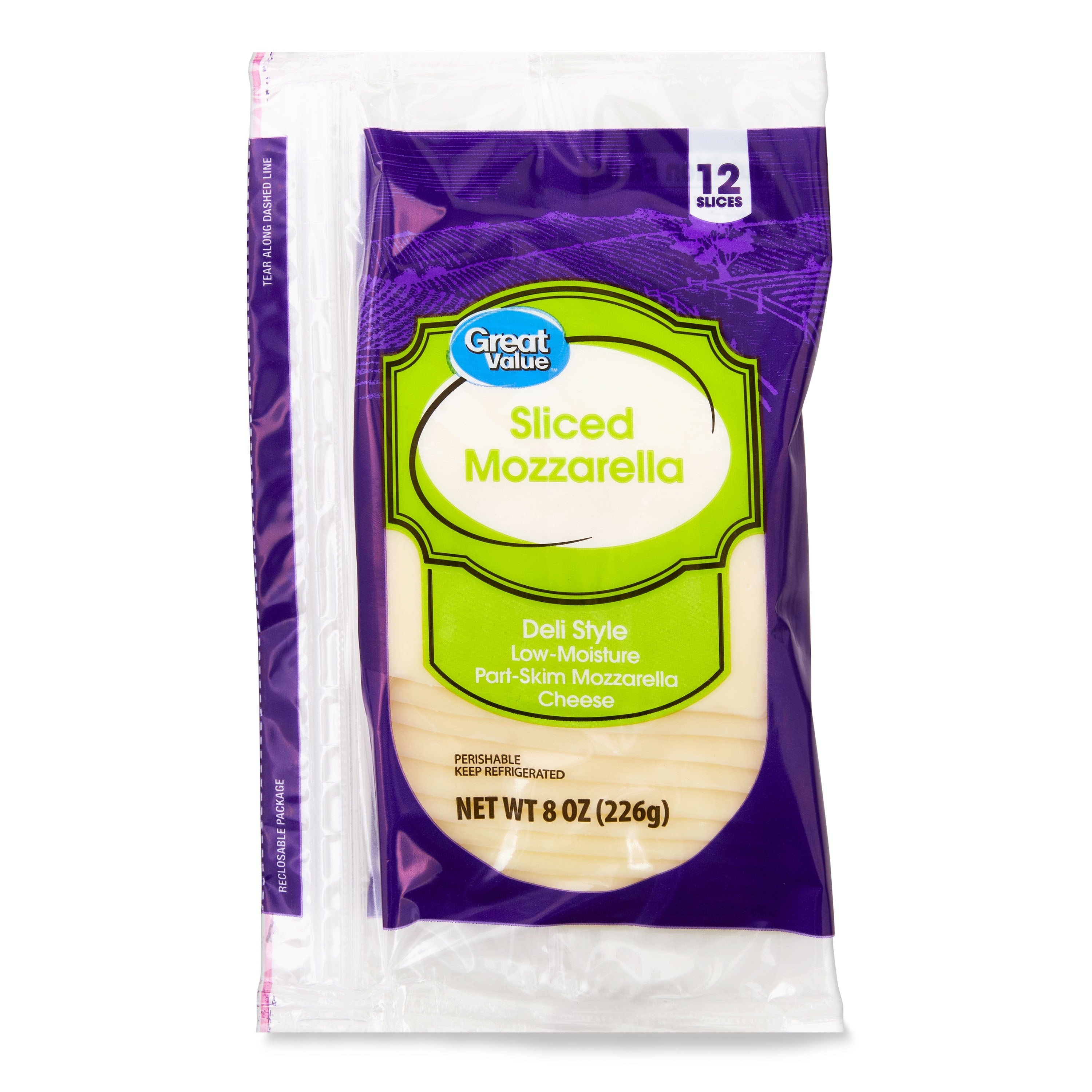


Kraft Deli Deluxe American Cheese Slices - 16oz/24ct
Summary
This cheese product is heavily processed, containing several synthetic additives such as sodium citrate, sodium phosphate, and sorbic acid, which are used to maintain texture and extend shelf life. While it does contain beneficial ingredients like milk, the presence of these additives and the high level of processing significantly impact its healthiness. The product's high sodium content and use of emulsifiers further contribute to its moderate score.
At a glance
Key ingredients 13
MilkGood
Milk is a primary source of calcium and protein, essential for bone health and muscle maintenance. It is a natural ingredient with minimal processing when used in cheese production. The quality of milk can vary, but it generally provides essential nutrients.
Risks
Potential lactose intolerance or milk allergy in some individuals.
Benefits
Rich in calcium and protein, supporting bone health and muscle function.
Cheese CultureNeutral
Cheese culture is used to ferment milk, aiding in the cheese-making process. It is a natural component that helps develop flavor and texture in cheese. The cultures used are generally safe and beneficial for fermentation.
Benefits
Contributes to the development of flavor and texture in cheese.
SaltNeutral
Salt is used as a preservative and flavor enhancer in cheese. It is a common ingredient in processed foods, providing taste and extending shelf life. Excessive consumption can lead to health issues like hypertension.
Risks
High sodium intake can increase the risk of hypertension and cardiovascular diseases.
Benefits
Enhances flavor and acts as a preservative in cheese.
EnzymesNeutral
Enzymes are used in cheese production to coagulate milk, forming curds. They are essential for the cheese-making process and are typically derived from natural sources. The use of enzymes is standard in cheese production.
Benefits
Essential for the cheese-making process, aiding in milk coagulation.
WaterNeutral
Water is used in cheese processing to adjust texture and consistency. It is a neutral ingredient with no direct nutritional impact. The presence of water helps achieve the desired texture in processed cheese.
Benefits
Helps in achieving the desired texture and consistency in cheese.
MilkfatNeutral
Milkfat contributes to the creamy texture and flavor of cheese. It is a natural component of milk, providing richness and mouthfeel. The quality of milkfat can vary, but it is a standard part of dairy products.
Risks
High intake of saturated fats may contribute to cardiovascular issues.
Benefits
Provides creamy texture and flavor, enhancing the sensory experience of cheese.
Sodium CitrateBad
Sodium citrate is used as an emulsifier and acidity regulator in processed cheese. It is a synthetic additive that helps maintain texture and prevent separation. While generally recognized as safe, it is an indicator of processed food.
Risks
May contribute to high sodium intake, which is linked to hypertension.
Benefits
Helps maintain smooth texture and prevents cheese from separating.
Calcium PhosphateNeutral
Calcium phosphate is used to fortify foods with calcium and as an acidity regulator. It is a common additive in processed foods, providing additional calcium content. The use of calcium phosphate is generally safe and beneficial for bone health.
Risks
Excessive intake may lead to imbalances in mineral absorption.
Benefits
Provides additional calcium, supporting bone health.
Sodium PhosphateBad
Sodium phosphate is used as an emulsifier and stabilizer in processed cheese. It is a synthetic additive that helps maintain texture and consistency. High intake of phosphates can disrupt mineral balance and affect kidney function.
Risks
Excessive phosphate intake may lead to mineral imbalances and affect kidney health.
Benefits
Maintains texture and consistency in processed cheese.
Sorbic AcidBad
Sorbic acid is used as a preservative to prevent mold and yeast growth in cheese. It is a synthetic additive that extends shelf life but indicates processing. While generally recognized as safe, it is not a natural component of cheese.
Risks
May cause allergic reactions or sensitivities in some individuals.
Benefits
Prevents mold and yeast growth, extending the shelf life of cheese.
Oleoresin PaprikaNeutral
Oleoresin paprika is used as a natural colorant in cheese. It is derived from paprika and provides color without synthetic dyes. The use of natural colorants is generally preferred over artificial alternatives.
Benefits
Provides natural color to cheese without synthetic dyes.
AnnattoNeutral
Annatto is a natural colorant derived from the seeds of the achiote tree. It is used to impart a yellow-orange hue to cheese. Annatto is a preferred alternative to artificial colorants, offering a natural source of color.
Risks
May cause allergic reactions in sensitive individuals.
Benefits
Provides natural color to cheese, enhancing visual appeal.
Sunflower LecithinBad
Sunflower lecithin is used as an emulsifier in processed foods. It is derived from sunflower seeds and helps maintain texture and consistency. Despite being plant-based, it is a processed ingredient that may contain residues from extraction processes.
Risks
May contain residues from processing and contribute to high omega-6 intake.
Benefits
Helps maintain texture and consistency in processed foods.
Processing
Ultra-Processed Foods
Get the full breakdown in the Scout app
Scan any product to see lab results, healthy alternatives, and your personalized analysis.
Download on theApp Store