

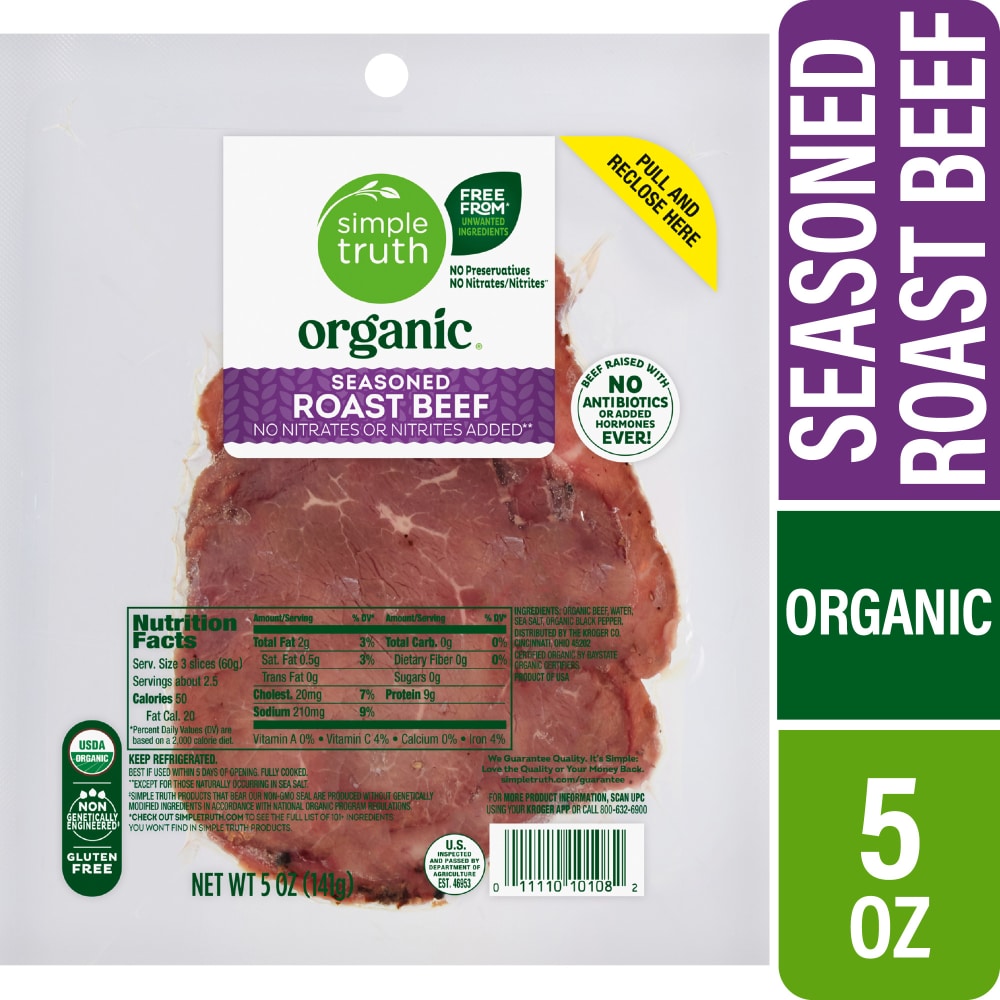

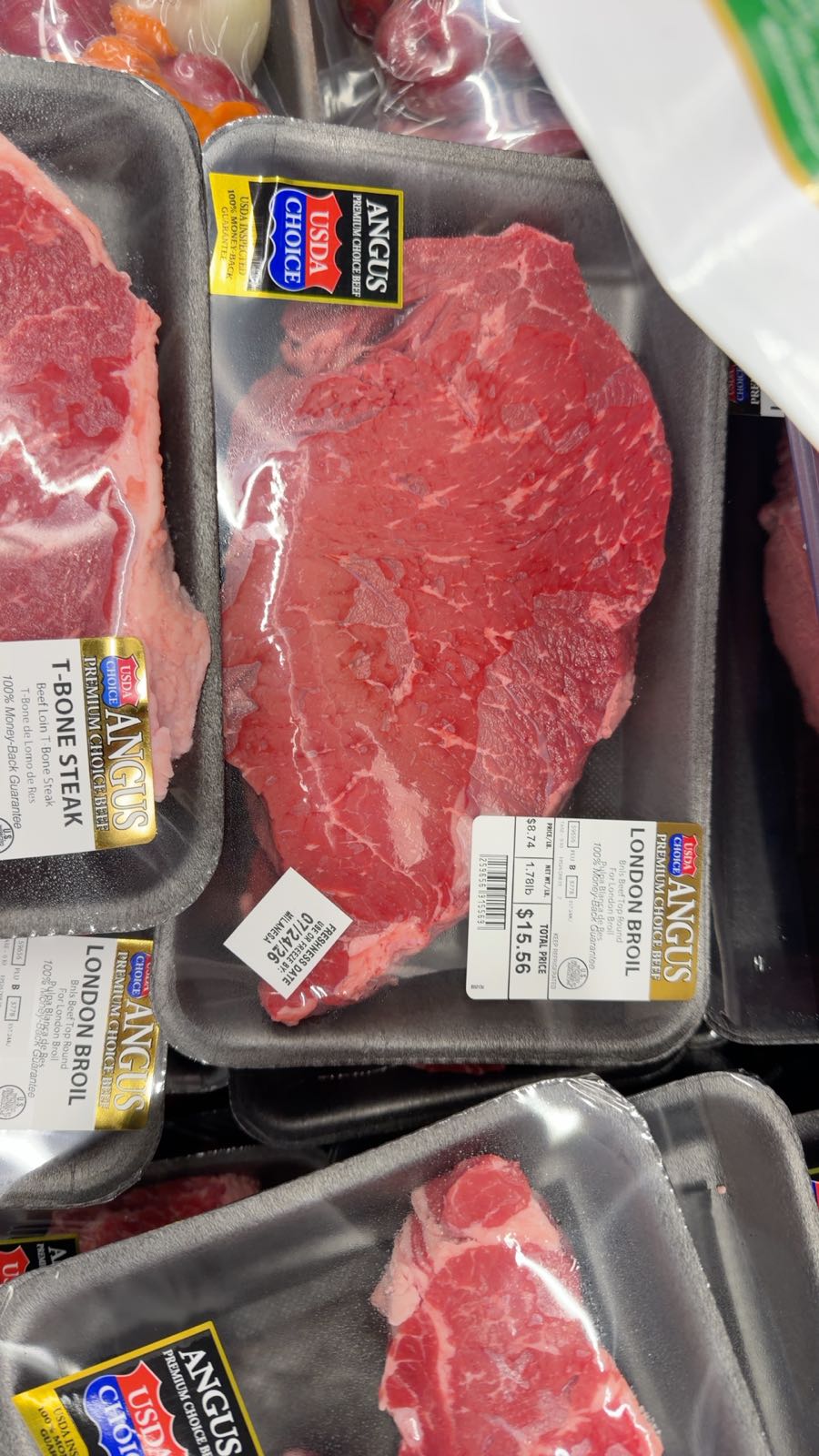

At a glance
Summary
This product contains high-quality beef, which is a good source of protein and essential nutrients. However, it includes additives like dextrose and sodium phosphate, which are common in processed foods and can have negative health impacts if consumed in excess. The presence of 'natural flavors' also indicates a level of processing that detracts from the overall healthiness of the product.
Key ingredients 9
BeefGood
Beef is a high-quality source of complete protein, providing all essential amino acids. It is rich in vitamins and minerals such as B12, zinc, and iron, which are crucial for various bodily functions. Grass-fed beef would be preferable for higher omega-3 content, but this is not specified.
Risks
Excessive consumption of red meat has been linked to increased risk of certain diseases, such as colorectal cancer.
Benefits
Provides essential nutrients and high-quality protein that supports muscle growth and maintenance.
VinegarGood
Vinegar is a natural preservative that can enhance flavor and shelf life. It may have antimicrobial properties and can aid in digestion. The acetic acid in vinegar can help control blood sugar levels.
Risks
Excessive consumption may lead to digestive discomfort due to its acidity.
Benefits
May aid in digestion and help control blood sugar levels.
Garlic PowderGood
Concentrated whole-food seasoning.
Benefits
Contains antioxidants and may support heart health.
WaterNeutral
Water is used as a processing aid and does not contribute significant nutritional value. It helps in maintaining moisture and texture in the product. There are no health concerns associated with water in this context.
See more about Water →SaltNeutral
Salt is used for seasoning and preservation, enhancing flavor and extending shelf life. It is a necessary nutrient but should be consumed in moderation to avoid health issues. Excessive salt intake is linked to hypertension and cardiovascular diseases.
Risks
High sodium intake can lead to increased blood pressure and cardiovascular issues.
Benefits
Essential for fluid balance and nerve function in the body.
Onion PowderNeutral
Onion powder is used for flavoring and contains some antioxidants and vitamins. It is a dehydrated form of onion, providing a concentrated flavor without the bulk. While it adds flavor, its nutritional contribution is minimal in small quantities.
Benefits
Adds flavor and contains some antioxidants and vitamins.
DextroseBad
Dextrose is a simple sugar used as a sweetener and preservative. It can contribute to increased blood sugar levels and caloric intake. Overconsumption of simple sugars is linked to obesity and metabolic disorders.
Risks
May contribute to obesity, insulin resistance, and other metabolic disorders when consumed in excess.
Benefits
Provides quick energy but lacks other nutritional benefits.
Sodium PhosphateBad
Sodium phosphate is used as an emulsifier and preservative in processed foods. It can affect kidney function and bone health if consumed in large amounts. It is a common additive in processed meats to retain moisture and improve texture.
Risks
High intake may lead to imbalances in phosphate levels, affecting kidney function and bone health.
Benefits
Helps maintain moisture and texture in processed foods.
Natural FlavorsBad
Natural flavors are used to enhance taste but lack transparency in their composition. They can contain a variety of compounds, some of which may not be beneficial. The term 'natural' does not guarantee health benefits or minimal processing.
Risks
Lack of transparency can lead to potential allergens or unwanted additives.
Benefits
Enhances flavor without adding calories.
Processing
Processed Foods
Get the full breakdown in the Scout appTake Scout shopping
Scan any product to see lab results, healthy alternatives, and your personalized analysis.
Download on theApp Store GET IT ONGoogle Play