


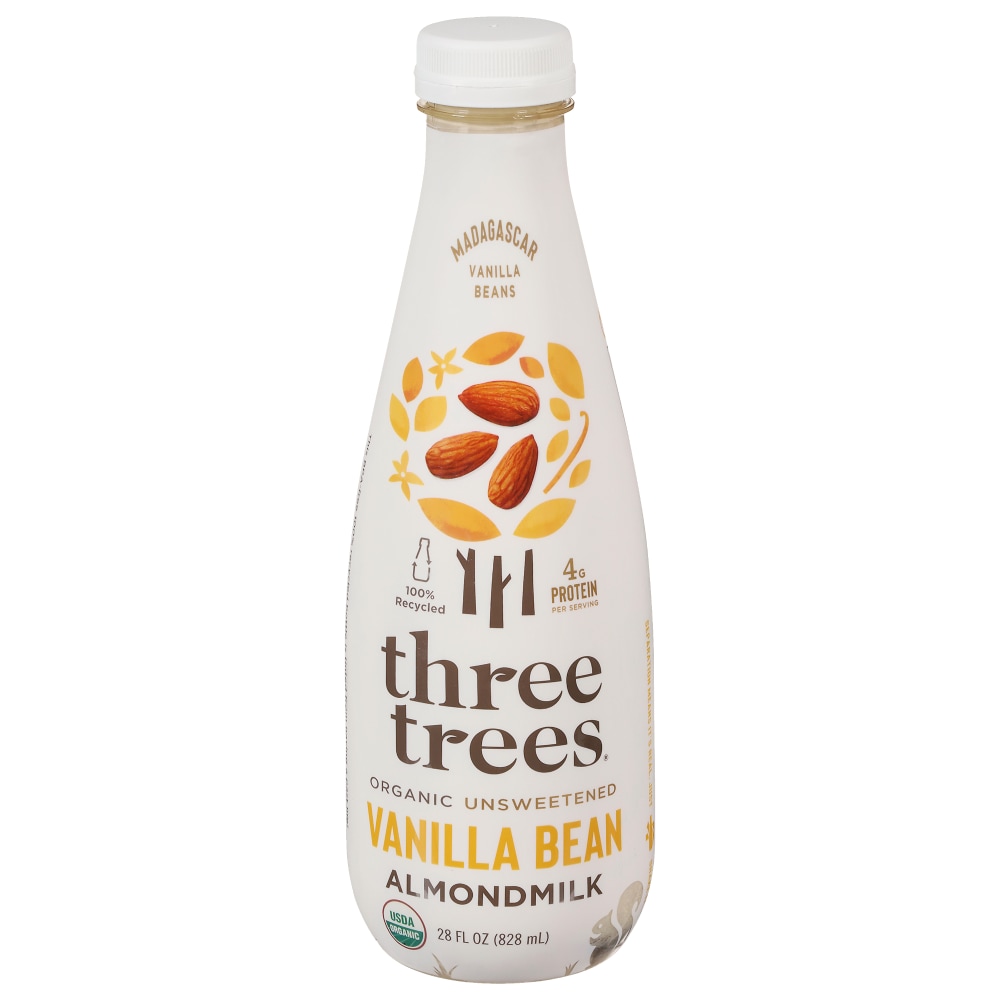


SILK, ALMONDMILK, UNSWEETENED VANILLA
Summary
This almond milk is fortified with beneficial vitamins and minerals, providing a nutritious alternative to dairy milk. However, it is classified as highly processed due to the presence of multiple additives such as gums and natural flavors, which can detract from a clean label. Despite its good nutritional profile, the level of processing limits its overall health rating.
At a glance
Key ingredients 13
AlmondmilkGood
Almondmilk is a plant-based milk alternative that is low in calories and contains healthy fats. It is often fortified with vitamins and minerals, making it a nutritious choice for those avoiding dairy. The almonds provide a source of vitamin E, which is an antioxidant that supports skin health.
Benefits
Rich in vitamin E and low in calories, supporting heart health and weight management.
Natural FlavorBad
Natural flavors are often used to enhance taste but can be derived from complex chemical processes. The lack of transparency in their composition can be concerning for consumers seeking clean labels. They may contain additives or solvents that are not disclosed.
Risks
Potential for undisclosed additives or allergens, leading to consumer confusion and possible health reactions.
Sea SaltGood
Unrefined sea salt — a minimally processed, natural source of sodium and essential trace minerals, and a legitimate whole-food seasoning. Treated as a positive ingredient.
Risks
Excessive sodium intake can lead to hypertension and cardiovascular issues.
Benefits
Provides trace minerals and enhances flavor without significant health risks when consumed in moderation.
Locust Bean GumNeutral
Locust bean gum is a natural thickening agent derived from carob seeds. It is used to improve texture and stability in food products. It is generally recognized as safe and has minimal impact on health.
Benefits
May aid in digestion and improve texture without adding calories.
Sunflower LecithinNeutral
Sunflower lecithin is an emulsifier that helps blend ingredients and improve texture. It is derived from sunflower seeds and is considered a safer alternative to soy lecithin for those with soy allergies. It is minimally processed and generally recognized as safe.
Benefits
May support brain health and improve texture in food products.
Gellan GumNeutral
Gellan gum is a gelling agent used to stabilize and thicken food products. It is produced through fermentation and is considered safe for consumption. It provides no nutritional value but improves product consistency.
Benefits
Enhances texture and stability without adding calories or significant nutrients.
Calcium CarbonateGood
Calcium carbonate is used to fortify foods with calcium, supporting bone health. It is a common supplement in non-dairy products to ensure adequate calcium intake. It is well-absorbed and helps prevent calcium deficiency.
Risks
Excessive intake can lead to kidney stones or impaired absorption of other minerals.
Benefits
Supports bone health and helps prevent osteoporosis by providing essential calcium.
Vitamin E AcetateGood
Vitamin E acetate is a form of vitamin E used to fortify foods, providing antioxidant benefits. It helps protect cells from oxidative damage and supports immune function. It is commonly added to enhance the nutritional profile of fortified foods.
Benefits
Acts as an antioxidant, supporting skin health and immune function.
Zinc GluconateGood
Zinc gluconate is a form of zinc used to fortify foods, supporting immune health and wound healing. It is well-absorbed and helps maintain normal growth and development. It is often added to enhance the nutritional value of fortified products.
Risks
Excessive zinc intake can interfere with copper absorption and cause gastrointestinal issues.
Benefits
Supports immune function and aids in wound healing and cellular repair.
Vitamin A PalmitateGood
Vitamin A palmitate is a form of vitamin A used to fortify foods, supporting vision and immune health. It is essential for maintaining healthy skin and mucous membranes. It is commonly added to non-dairy products to ensure adequate vitamin A intake.
Risks
Excessive intake can lead to toxicity, causing liver damage and other health issues.
Benefits
Supports vision and immune health, and helps maintain healthy skin.
Riboflavin (B2)Good
Riboflavin, or vitamin B2, is used to fortify foods, supporting energy production and cellular function. It is essential for the metabolism of fats, proteins, and carbohydrates. It is often added to enhance the nutritional profile of fortified foods.
Benefits
Supports energy production and cellular function, contributing to overall health.
Vitamin B12Good
Vitamin B12 is used to fortify foods, supporting nerve function and red blood cell formation. It is essential for DNA synthesis and neurological health. It is commonly added to non-dairy products to ensure adequate intake for those avoiding animal products.
Benefits
Supports nerve function and red blood cell formation, preventing anemia.
Vitamin D2Good
Vitamin D2 is used to fortify foods, supporting bone health and calcium absorption. It is essential for maintaining healthy bones and teeth. It is often added to non-dairy products to ensure adequate vitamin D intake.
Risks
Excessive intake can lead to toxicity, causing hypercalcemia and other health issues.
Benefits
Supports bone health and calcium absorption, preventing osteoporosis.
Processing
Ultra-Processed Foods
Get the full breakdown in the Scout app
Scan any product to see lab results, healthy alternatives, and your personalized analysis.
Download on theApp Store