
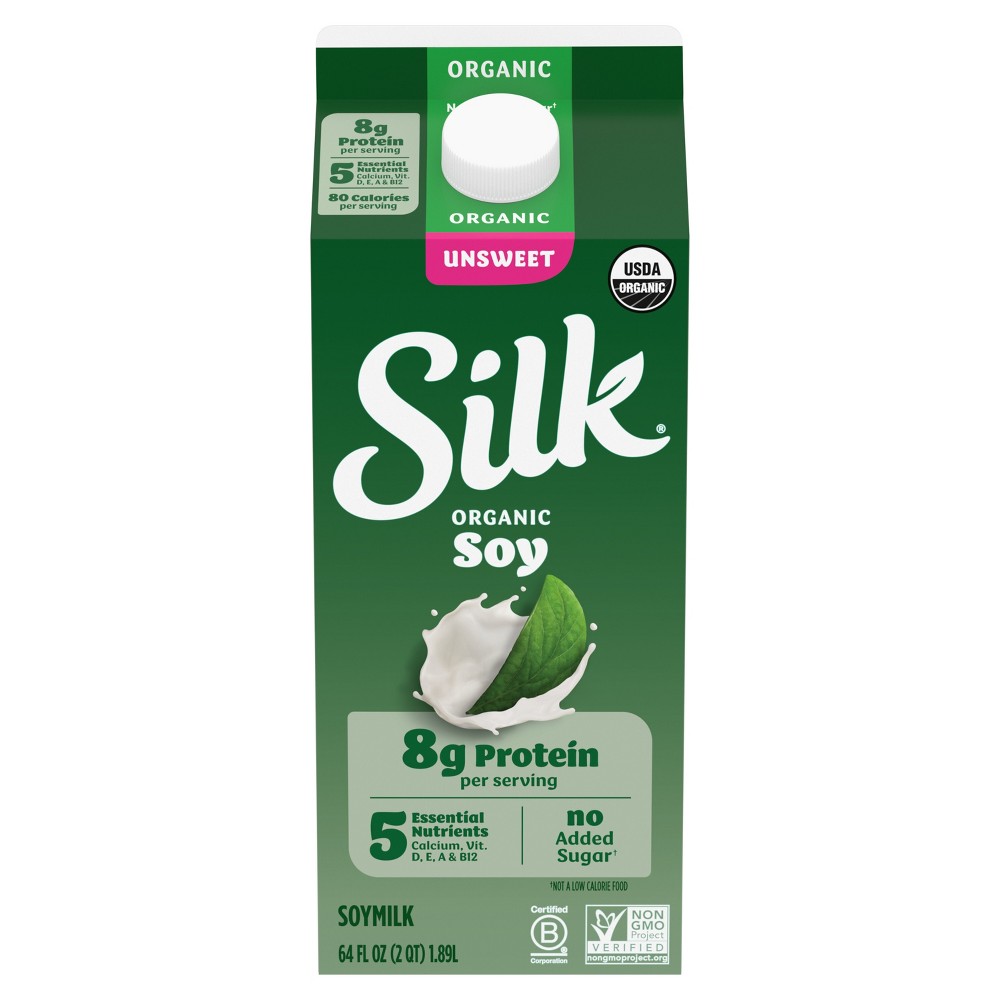


ORGANIC SOYMILK
Summary
This organic soymilk is fortified with essential vitamins and minerals, providing nutritional benefits such as calcium and vitamin D. However, it is considered ultra-processed due to the inclusion of additives like gellan gum and natural flavors, which can detract from its overall healthiness. Despite its good nutritional profile, the processing level limits its score, and the presence of natural flavors raises concerns about ingredient transparency.
At a glance
Key ingredients 11
Filtered WaterNeutral
Filtered water is used as a base for the soymilk, providing hydration without any calories or nutrients. It is a neutral ingredient with no direct health benefits or risks. The quality of water can affect the overall purity of the product.
See more about Filtered Water →Organic SoybeansVery Good
Organic soybeans are a rich source of plant-based protein and essential nutrients. Being organic, they are grown without synthetic pesticides or fertilizers, reducing exposure to harmful chemicals. They also contain isoflavones, which may have health benefits.
Risks
Some individuals may have soy allergies or sensitivities.
Benefits
Rich in protein and isoflavones, which may support heart health and bone health.
Calcium CarbonateGood
Calcium carbonate is added to fortify the soymilk with calcium, an essential mineral for bone health. It is a common fortification ingredient in plant-based milks to match the calcium content of dairy milk. Proper absorption may require vitamin D, which is also included in the blend.
Risks
Excessive intake may lead to hypercalcemia, but this is unlikely from dietary sources alone.
Benefits
Provides a source of calcium, supporting bone health and preventing deficiencies.
Vitamin A PalmitateGood
Vitamin A palmitate is added to enhance the vitamin A content, supporting vision and immune function. It is a stable form of vitamin A used in fortification. This addition helps meet daily nutritional requirements.
Risks
Excessive intake can lead to toxicity, but this is rare from fortified foods.
Benefits
Supports vision, immune function, and skin health.
Vitamin D2Good
Vitamin D2 is included to aid calcium absorption and support bone health. It is a plant-derived form of vitamin D, suitable for vegans. Fortification helps prevent deficiencies, especially in individuals with limited sun exposure.
Benefits
Enhances calcium absorption and supports bone health.
RiboflavinGood
Riboflavin, or vitamin B2, is added to support energy metabolism and overall health. It is an essential nutrient that helps convert food into energy. Fortification ensures adequate intake, especially in plant-based diets.
Benefits
Supports energy metabolism and overall health.
Vitamin B12Good
Vitamin B12 is crucial for nerve function and the production of DNA and red blood cells. It is often added to plant-based products to prevent deficiencies in vegan diets. Fortification helps ensure adequate intake for those not consuming animal products.
Benefits
Supports nerve function and red blood cell production.
Sea SaltGood
Unrefined sea salt — a minimally processed, natural source of sodium and essential trace minerals, and a legitimate whole-food seasoning. Treated as a positive ingredient.
Risks
Excessive sodium intake can lead to hypertension and cardiovascular issues.
Benefits
Provides trace minerals and enhances flavor.
Gellan GumNeutral
Gellan gum is used as a stabilizer and thickener in the soymilk. It helps maintain texture and consistency without significant nutritional impact. It is generally recognized as safe when consumed in typical amounts.
See more about Gellan Gum →Ascorbic AcidGood
Ascorbic acid, or vitamin C, is added to protect freshness and provide antioxidant benefits. It helps prevent oxidation and spoilage of the product. Additionally, it supports immune function and skin health.
Benefits
Provides antioxidant benefits and supports immune function.
Natural FlavorBad
Natural flavor is a catch-all term that can include a variety of substances to enhance taste. The lack of transparency about its specific components can be concerning. It may contain additives or allergens not disclosed on the label.
Risks
Potential allergens or additives may be present, posing risks to sensitive individuals.
Processing
Ultra-Processed Foods
Get the full breakdown in the Scout app
Scan any product to see lab results, healthy alternatives, and your personalized analysis.
Download on theApp Store