
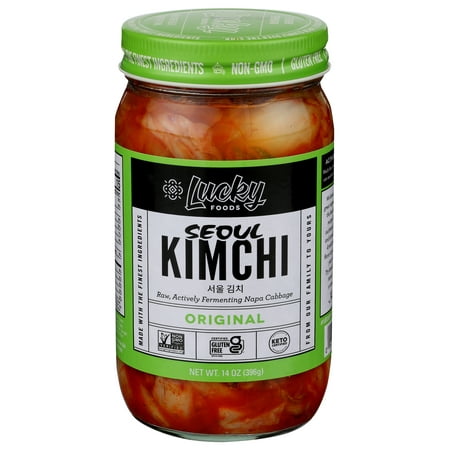

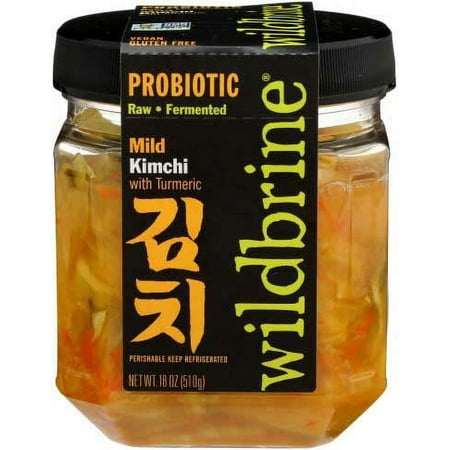


Lucky Foods NATURALLY PROBIOTIC KIMCHI
Analysis updated August 2026 · How Scout scores
At a glance
Summary
This kimchi product contains a variety of beneficial ingredients such as napa cabbage, chili pepper, and garlic, which are rich in vitamins, antioxidants, and probiotics that support digestive and overall health. The presence of sugar is a minor concern, as it is used in small amounts to aid fermentation. Despite being processed, the ingredient list is clean and free from artificial additives, allowing it to score well within its category.
Key ingredients 11
Napa cabbageVery Good
Napa cabbage is a low-calorie vegetable rich in vitamins C and K. It provides dietary fiber and antioxidants, supporting digestive health and reducing inflammation. Fermentation enhances its probiotic content, promoting gut health.
Benefits
Rich in vitamins and fiber, supporting overall health and digestion. Fermentation adds probiotics, beneficial for gut microbiota.
GingerVery Good
Ginger is known for its anti-inflammatory and antioxidant properties. It can aid digestion and reduce nausea. Its bioactive compounds, like gingerol, offer numerous health benefits.
Benefits
Contains gingerol, which provides anti-inflammatory and digestive benefits. Supports overall health and well-being.
Chili pepperGood
Chili peppers contain capsaicin, which has anti-inflammatory and metabolism-boosting properties. They are also a good source of vitamins A and C. The heat from capsaicin can enhance flavor and increase satiety.
Risks
May cause irritation or discomfort in sensitive individuals or when consumed in large amounts.
Benefits
Provides capsaicin, which may aid in weight management and reduce inflammation. Rich in vitamins that support immune function.
CarrotsGood
Carrots are a nutritious root vegetable high in beta-carotene, fiber, and antioxidants. They support eye health and may reduce the risk of chronic diseases. Their natural sweetness enhances the flavor profile of dishes.
Benefits
Rich in beta-carotene, promoting eye health and providing antioxidant benefits. High fiber content supports digestive health.
GarlicGood
Garlic is known for its immune-boosting and anti-inflammatory properties. It contains allicin, which may help reduce blood pressure and cholesterol levels. Its antimicrobial properties can support overall health.
Risks
May cause digestive discomfort in some individuals when consumed in large quantities.
Benefits
Contains allicin, which supports cardiovascular health and has antimicrobial effects. Enhances immune function and provides anti-inflammatory benefits.
Green onionGood
Green onions are low in calories and rich in vitamins A, C, and K. They provide antioxidants and have a mild flavor that complements many dishes. Their sulfur compounds may support heart health.
Benefits
Rich in vitamins and antioxidants, supporting immune function and heart health. Adds flavor and nutritional value to dishes.
OnionGood
Onions are rich in antioxidants and sulfur compounds that may reduce inflammation and support heart health. They add flavor and nutritional value to dishes. Their prebiotic fiber supports gut health.
Benefits
Contains antioxidants and prebiotic fibers, supporting heart and gut health. Enhances flavor and nutritional profile.
Baby shrimpGood
Baby shrimp are a good source of protein and essential nutrients like iodine and selenium. They provide omega-3 fatty acids, which support heart and brain health. Their inclusion adds umami flavor and nutritional value.
Risks
May cause allergic reactions in individuals with shellfish allergies.
Benefits
Rich in protein and omega-3 fatty acids, supporting cardiovascular and brain health. Provides essential minerals like iodine.
Sea saltGood
Sea salt is a natural source of sodium and trace minerals. It is less processed than table salt and can enhance the flavor of foods. Its mineral content may offer additional health benefits compared to refined salt.
Risks
Excessive sodium intake can lead to high blood pressure and cardiovascular issues.
Benefits
Provides essential sodium and trace minerals, supporting electrolyte balance and flavor enhancement.
Anchovy extractGood
Anchovy extract is rich in omega-3 fatty acids and provides a savory umami flavor. It is a source of protein and essential nutrients like calcium and iron. Its inclusion enhances the nutritional profile of foods.
Risks
May cause allergic reactions in individuals with fish allergies.
Benefits
Rich in omega-3 fatty acids and essential nutrients, supporting heart health and providing umami flavor.
SugarBad
Refined sugar is a high-calorie ingredient with no essential nutrients. It can contribute to weight gain and increase the risk of chronic diseases when consumed in excess. Its presence in fermented foods can aid fermentation but should be limited.
Risks
Excessive consumption may lead to obesity, type 2 diabetes, and other metabolic disorders.
Benefits
Provides energy and aids in the fermentation process, enhancing probiotic content.
Processing
Processed Foods
Get the full breakdown in the Scout appTake Scout shopping
Scan any product to see lab results, healthy alternatives, and your personalized analysis.
Download on theApp Store GET IT ONGoogle Play