


At a glance
Summary
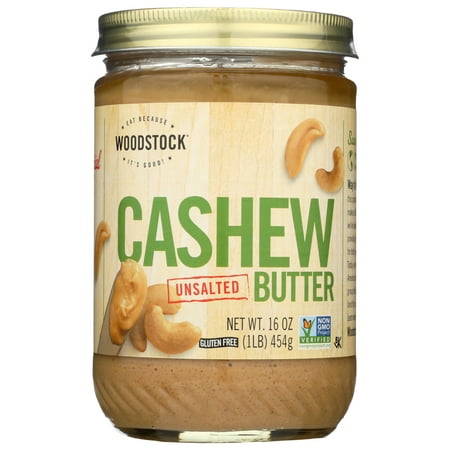
This cashew butter is primarily made from dry roasted cashews, which are a nutritious whole food. However, the inclusion of high oleic sunflower or safflower oil introduces a level of processing that affects the overall healthiness of the product. While these oils are not as detrimental as other seed oils, they still contribute to a higher processing level, limiting the score potential.
Key ingredients 2
Dry Roasted CashewsNeutral
Cashews are a good source of healthy fats and protein, but roasting can reduce some of their nutritional value. The dry roasting process avoids added oils, maintaining a cleaner ingredient profile. Cashews provide essential minerals like magnesium and copper.
Risks
Roasting may reduce some antioxidant content and can lead to the formation of acrylamides, which are potential carcinogens.
Benefits
Rich in healthy fats and protein, cashews support heart health and provide essential minerals. They are also a good source of dietary fiber.
Organic High Oleic Sunflower Oil Or Safflower OilNeutral
High oleic sunflower or safflower oil is bred to have a higher monounsaturated fat content, which is more stable and less inflammatory than regular seed oils. The organic certification indicates a higher quality and absence of synthetic pesticides. These oils are often used for their neutral flavor and stability in cooking.
Risks
While high oleic versions are less inflammatory, they still contain omega-6 fatty acids, which can contribute to inflammation if consumed in excess.
Benefits
High oleic oils are rich in monounsaturated fats, which can support heart health and provide a stable cooking oil option.
Processing
Processed Foods
Get the full breakdown in the Scout appTake Scout shopping
Scan any product to see lab results, healthy alternatives, and your personalized analysis.
Download on theApp Store GET IT ONGoogle Play