
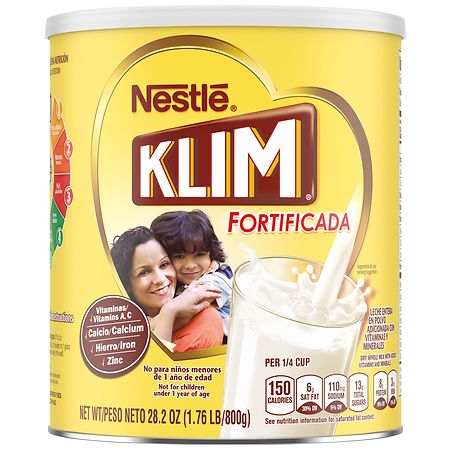


DRY WHOLE MILK WITH VITAMINS AND MINERALS
Analysis updated July 2026 · How Scout scores
At a glance
Summary
This product is ultra-processed, which limits its score despite containing beneficial nutrients like whole milk and added vitamins. The presence of soy lecithin as an emulsifier indicates additional processing, and while it provides essential nutrients, the processing level and use of additives prevent a higher rating. The brand's reputation for ultra-processed products and ethical concerns also influence the score.
Key ingredients 7
Whole milkGood
Whole milk is a rich source of essential nutrients including calcium, vitamin D, and protein. It provides a balanced profile of fats, carbohydrates, and proteins, supporting overall health. The presence of natural fats aids in the absorption of fat-soluble vitamins.
Risks
Some individuals may be lactose intolerant or allergic to milk proteins.
Benefits
Provides essential nutrients such as calcium and vitamin D, which are crucial for bone health. Contains high-quality protein that supports muscle maintenance and growth.
Vitamin C (sodium ascorbate)Good
Vitamin C is an essential nutrient that supports immune function and acts as an antioxidant. Sodium ascorbate is a buffered form of vitamin C that is less acidic and easier on the stomach. It helps in the absorption of iron and the maintenance of healthy skin.
Benefits
Supports immune function and acts as an antioxidant. Aids in collagen synthesis and enhances iron absorption.
Iron (ferric pyrophosphate)Good
Iron is a crucial mineral for the production of hemoglobin and oxygen transport in the blood. Ferric pyrophosphate is a form of iron used in fortification that is less likely to cause gastrointestinal discomfort. It is essential for preventing iron-deficiency anemia.
Risks
Excessive iron intake can lead to toxicity and gastrointestinal issues.
Benefits
Prevents iron-deficiency anemia and supports oxygen transport in the body. Important for energy production and cognitive function.
Vitamin A acetateGood
Vitamin A acetate is a synthetic form of vitamin A used to fortify foods, supporting vision and immune function. It is stable and effective in maintaining adequate vitamin A levels. Essential for maintaining healthy skin and mucous membranes.
Risks
Excessive intake can lead to toxicity, particularly in supplement form.
Benefits
Supports vision and immune function. Important for skin health and cellular growth.
Vitamin D3 (cholecalciferol)Good
Vitamin D3 is a highly bioavailable form of vitamin D that supports bone health and immune function. It is synthesized in the skin upon exposure to sunlight and is crucial for calcium absorption. Fortification helps maintain adequate levels, especially in populations with limited sun exposure.
Benefits
Supports bone health by enhancing calcium absorption. Important for immune function and may reduce the risk of certain diseases.
Zinc sulfateNeutral
Zinc sulfate is a form of zinc used to fortify foods and support immune function. It is a highly bioavailable form of zinc, though it may cause stomach irritation in some individuals. Zinc is essential for numerous enzymatic reactions and immune health.
Risks
May cause stomach irritation or nausea if consumed in large amounts.
Benefits
Supports immune function and is involved in numerous enzymatic processes. Important for wound healing and DNA synthesis.
Soy lecithinBad
Soy lecithin is used as an emulsifier to improve texture and consistency in processed foods. It is derived from soybeans, which may be genetically modified and heavily processed. While generally recognized as safe, it is not a necessary nutrient and may cause allergic reactions in sensitive individuals.
Risks
May cause allergic reactions in individuals sensitive to soy. Potential exposure to genetically modified organisms (GMOs) if not specified as non-GMO.
Benefits
Helps improve the texture and shelf-life of food products. Contains phospholipids that may support brain health.
Processing
Ultra-Processed Foods
Get the full breakdown in the Scout appTake Scout shopping
Scan any product to see lab results, healthy alternatives, and your personalized analysis.
Download on theApp Store GET IT ONGoogle Play