

At a glance
Summary
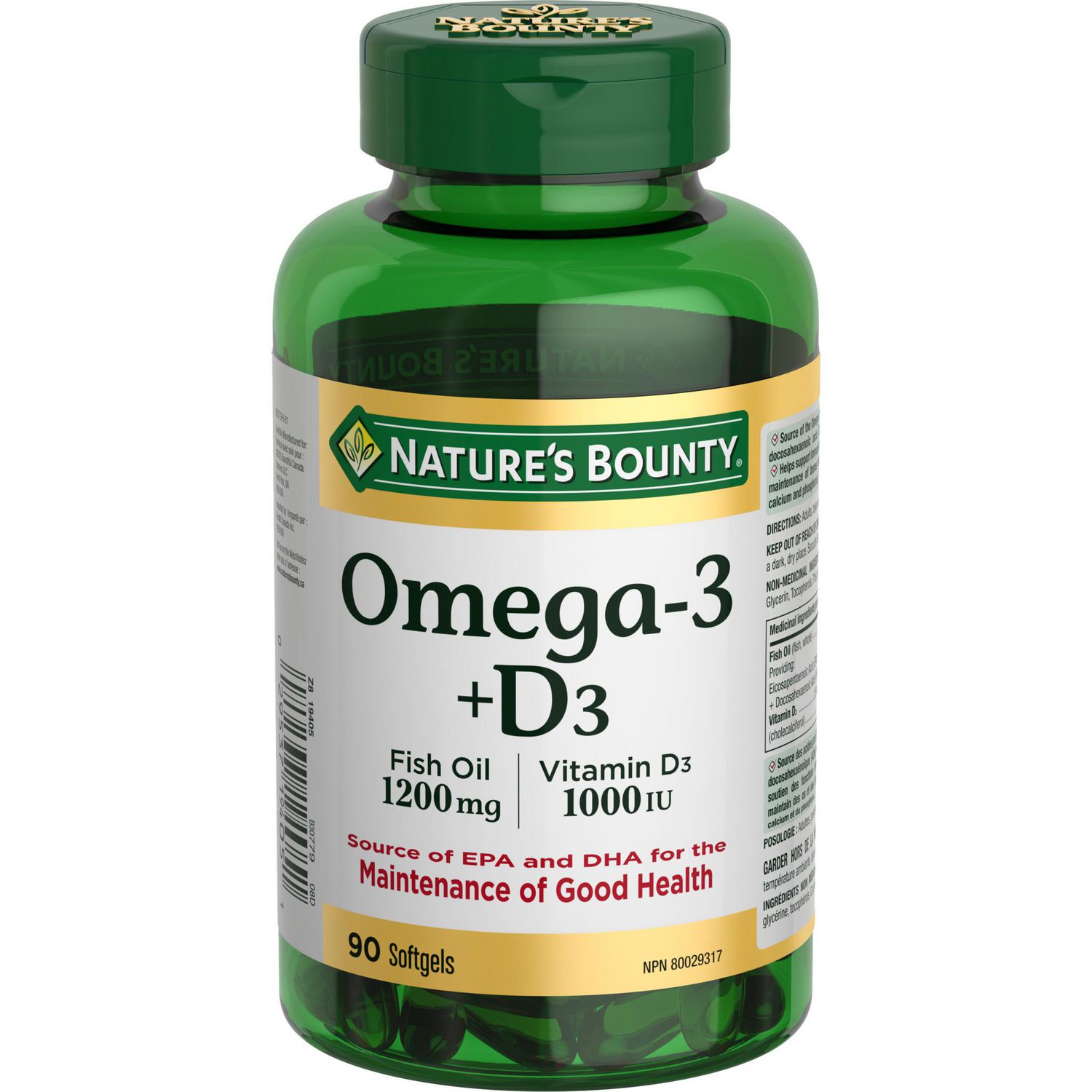
This supplement contains high-quality omega-3 fatty acids from fish oil, which are beneficial for heart and brain health, along with Vitamin D3 for bone health. The presence of caramel as a coloring agent is a minor concern due to potential health risks associated with some forms of caramel coloring. Overall, the formulation is strong with beneficial ingredients and minimal harmful additives.
Key ingredients 8
Fish OilVery Good
Fish oil is a rich source of omega-3 fatty acids, which are essential for heart and brain health. It is typically derived from fatty fish and is known for its anti-inflammatory properties. High-quality fish oil supplements are often purified to remove contaminants.
Risks
Potential risks include contamination with heavy metals if not properly purified.
Benefits
Omega-3 fatty acids in fish oil support cardiovascular health and cognitive function.
Eicosapentaenoic AcidVery Good
Eicosapentaenoic acid (EPA) is an omega-3 fatty acid that plays a crucial role in reducing inflammation and supporting heart health. It is commonly found in marine oils and is beneficial for maintaining healthy cholesterol levels. EPA is often included in supplements for its cardiovascular benefits.
Benefits
EPA helps reduce inflammation and supports heart health.
Docosahexaenoic AcidVery Good
Docosahexaenoic acid (DHA) is an omega-3 fatty acid important for brain and eye health. It is a major structural component of the brain and retina, making it essential for cognitive function and vision. DHA is often included in supplements for its neurological benefits.
Benefits
DHA supports brain development and eye health.
Vitamin D3Good
Vitamin D3 is essential for calcium absorption and bone health. It is the form of vitamin D that is naturally produced in the skin in response to sunlight. Supplementation is beneficial, especially in regions with limited sun exposure.
Risks
Excessive intake can lead to hypercalcemia, a condition of elevated calcium levels in the blood.
Benefits
Vitamin D3 supports bone health and immune function.
TocopherolsGood
Tocopherols are a form of vitamin E, an antioxidant that helps protect cells from damage. They are often used in supplements to preserve freshness and provide health benefits. Vitamin E is important for immune function and skin health.
Risks
Excessive intake can interfere with blood clotting.
Benefits
Tocopherols provide antioxidant protection and support immune health.
GelatinNeutral
Gelatin is used as a gelling agent and is derived from animal collagen. It is commonly used in capsules and gummies. While it provides some protein, it is not a significant source of nutrients in supplements.
Benefits
Gelatin can support joint health due to its collagen content.
GlycerinNeutral
Glycerin is used as a humectant and sweetener in supplements. It is generally recognized as safe and is used to maintain moisture. It does not provide significant nutritional benefits.
Benefits
Glycerin helps maintain moisture and texture in supplements.
CaramelBad
Caramel is often used as a coloring agent and can contain potentially harmful compounds formed during its production. It is considered an additive with no nutritional benefits. Some forms of caramel coloring have been linked to health concerns.
Risks
Certain types of caramel coloring may contain 4-MEI, a potential carcinogen.
Processing
Processed Foods
Get the full breakdown in the Scout appTake Scout shopping
Scan any product to see lab results, healthy alternatives, and your personalized analysis.
Download on theApp Store GET IT ONGoogle Play