


At a glance
Summary
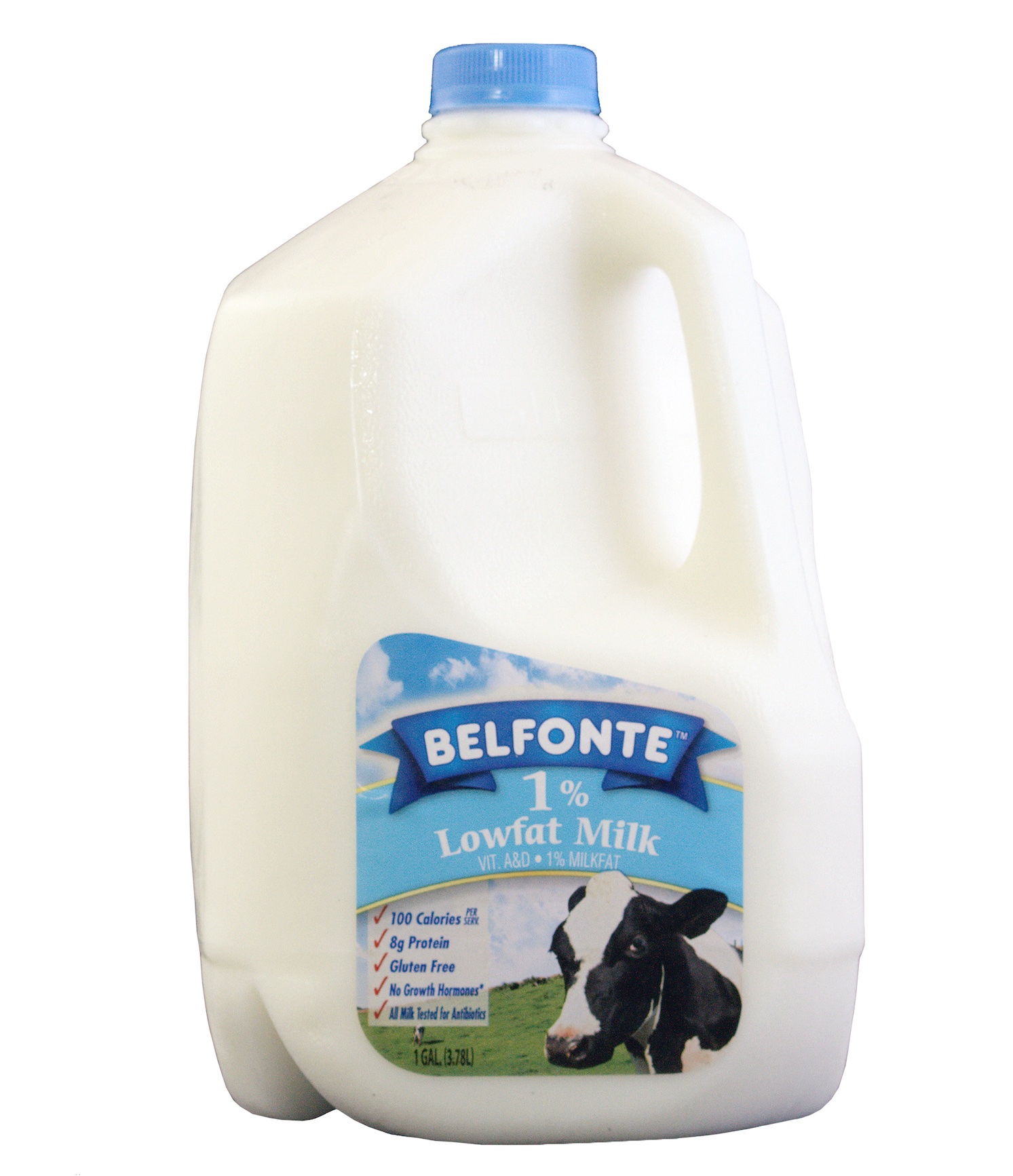
This organic reduced fat milk is made from high-quality ingredients, including organic milk and nonfat milk, which are produced without synthetic additives. The addition of vitamins A and D3 enhances its nutritional profile. Despite being processed, the product maintains a clean ingredient list without harmful additives, making it a healthy choice within its category.
Key ingredients 5
Organic MilkGood
Organic milk is a natural source of essential nutrients and is produced without synthetic pesticides or fertilizers, making it a wholesome choice.
See more about Organic Milk →Organic Nonfat MilkGood
Nonfat organic milk provides protein and calcium without added fats, supporting a balanced diet.
See more about Organic Nonfat Milk →Organic Nonfat Dry MilkGood
Dry milk is a concentrated source of nutrients, offering convenience while maintaining quality standards.
See more about Organic Nonfat Dry Milk →Vitamin D3Good
Beneficial ingredient — whole-food or functional value in this product class.
See more about Vitamin D3 →Vitamin A PalmitateNeutral
Vitamin A Palmitate is added to support nutritional value, but it is a synthetic form of vitamin A and does not naturally occur in the product.
See more about Vitamin A Palmitate →Processing
Processed Foods
Get the full breakdown in the Scout appTake Scout shopping
Scan any product to see lab results, healthy alternatives, and your personalized analysis.
Download on theApp Store GET IT ONGoogle Play