
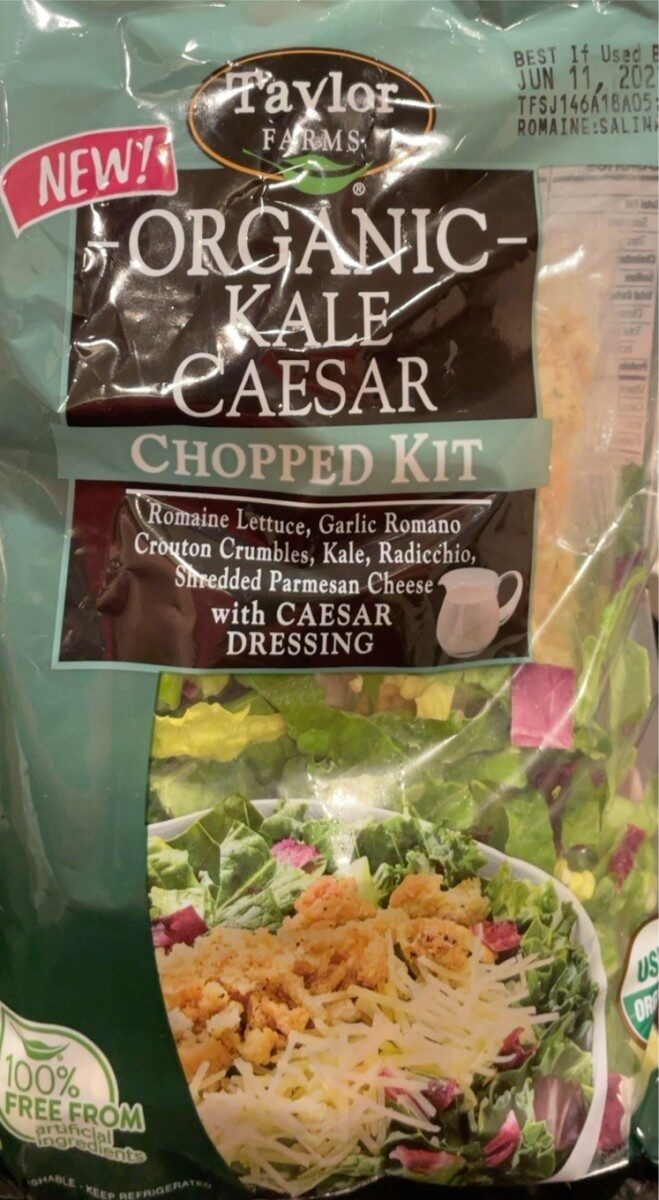
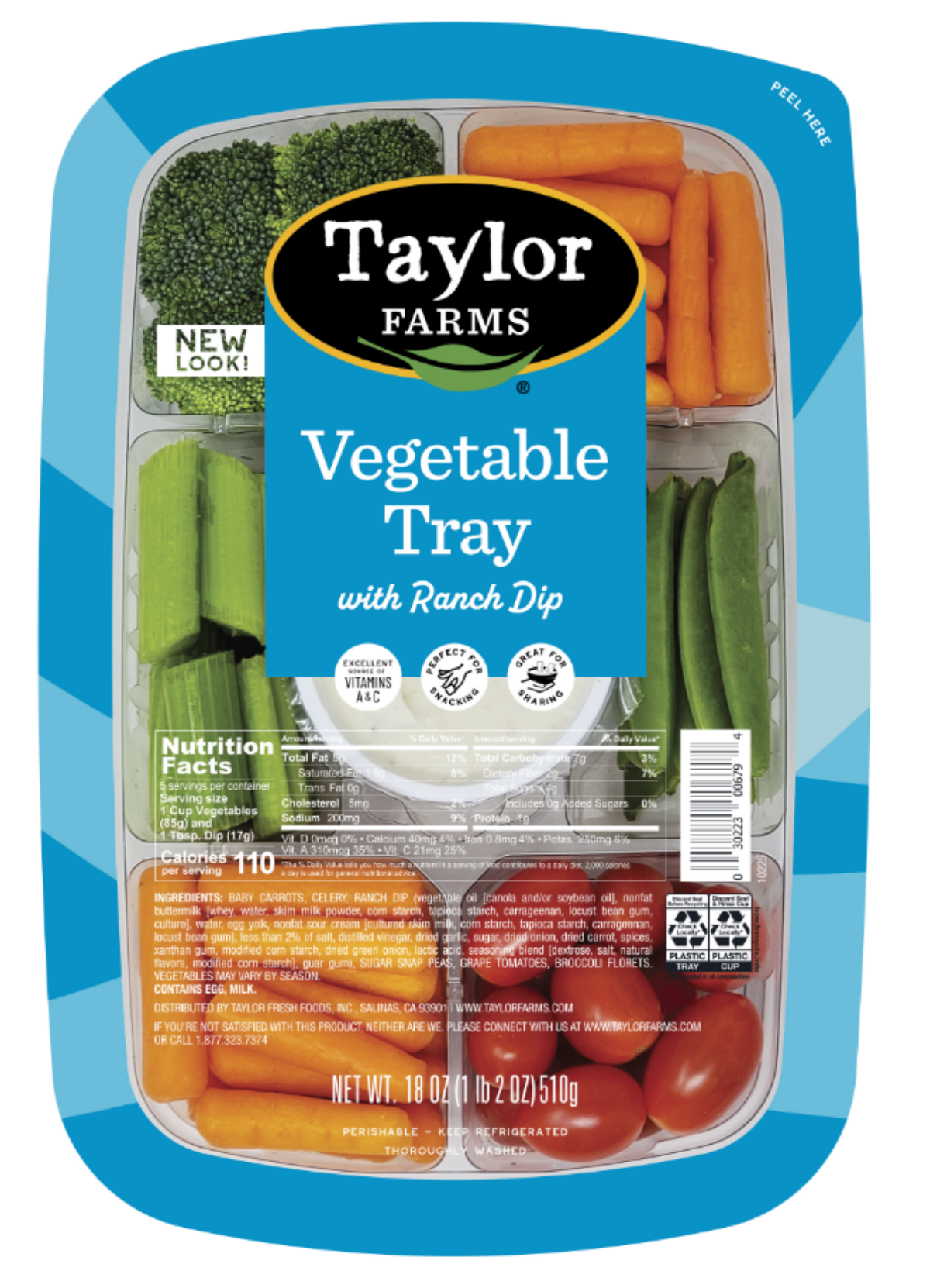

Taylor Farms Organic Kale Caesar
Analysis updated August 2026 · How Scout scores
At a glance
Summary
This product contains beneficial ingredients like organic romaine lettuce and organic Romano cheese, which provide essential nutrients and are free from synthetic additives. However, the presence of organic soybean oil, a seed oil high in omega-6 fatty acids, is a concern due to its potential to promote inflammation. The product is processed, which limits its score despite the organic certification of most ingredients.
Key ingredients 14
Organic Romaine LettuceVery Good
Organic romaine lettuce is a nutrient-dense leafy green. It provides vitamins A and K, and is low in calories. Being organic, it is free from synthetic pesticides and fertilizers.
Benefits
Rich in vitamins and minerals, supporting overall health and wellness.
Organic Romano CheeseGood
Organic Romano cheese is a flavorful cheese made from organic milk. It provides protein and calcium, supporting bone health. The organic certification ensures it is free from synthetic hormones and antibiotics.
Risks
Potential for high sodium and saturated fat content.
Benefits
Rich in protein and calcium, beneficial for bone health.
Organic Part Skim MilkGood
Organic part skim milk is a source of protein and calcium with reduced fat content. The organic label ensures it is free from synthetic hormones and antibiotics. It supports bone health and muscle function.
Risks
Lactose intolerance may cause digestive issues in sensitive individuals.
Benefits
Provides essential nutrients like calcium and protein.
Eggs and their DerivativesGood
Eggs are a high-quality protein source with essential amino acids. They also provide vitamins and minerals like B12 and selenium. Eggs are versatile and nutritious, supporting muscle and brain health.
Risks
Potential allergen for some individuals.
Benefits
Rich in high-quality protein and essential nutrients.
Fish and their DerivativesGood
Fish derivatives provide omega-3 fatty acids and protein. They support cardiovascular health and cognitive function. The nutritional benefits depend on the type of fish used.
Risks
Potential allergen and may contain trace amounts of mercury.
Benefits
Rich in omega-3 fatty acids, beneficial for heart and brain health.
Organic Caesar DressingNeutral
Organic Caesar dressing typically contains a mix of ingredients like oils, vinegar, and spices. The organic label indicates no synthetic additives. However, the nutritional impact depends on the specific formulation.
Risks
Potential for high sodium and fat content depending on the formulation.
Benefits
Provides flavor and can enhance the palatability of salads.
WaterNeutral
Water is a neutral ingredient used as a solvent or to adjust consistency. It is essential for hydration but does not contribute additional nutrients. Its presence in food products is generally benign.
Benefits
Essential for hydration and maintaining bodily functions.
CultureNeutral
Culture refers to the bacterial cultures used in cheese production. It aids in fermentation and flavor development. It is a standard component in cheese making with no direct health impact.
Benefits
Essential for cheese fermentation and flavor development.
SaltNeutral
Salt is used for flavor enhancement and preservation. It is a common culinary ingredient but can contribute to high sodium intake. Moderation is key to avoid potential health issues.
Risks
Excessive consumption may lead to high blood pressure and cardiovascular issues.
Benefits
Enhances flavor and acts as a preservative.
Anchovy and its DerivativesNeutral
Anchovies are small fish rich in omega-3 fatty acids. They add umami flavor to dishes. However, they may contain small amounts of mercury.
Risks
Potential allergen and may contain trace amounts of mercury.
Benefits
Rich in omega-3 fatty acids, beneficial for heart health.
Wheat and Their DerivativesNeutral
Wheat derivatives are common in processed foods and provide carbohydrates. They are a staple in many diets but can be problematic for those with gluten intolerance. The nutritional impact varies based on the specific derivative used.
Risks
May cause issues for individuals with gluten intolerance or celiac disease.
Benefits
Provides carbohydrates for energy.
Soybean and its DerivativesNeutral
Soybean derivatives are used for protein and emulsification. They are common in processed foods and provide plant-based protein. The health impact varies based on the specific derivative and processing method.
Risks
May affect hormone levels due to phytoestrogens in some individuals.
Benefits
Provides plant-based protein and can support heart health.
Mustard and its DerivativesNeutral
Mustard derivatives add flavor and can act as emulsifiers. They are generally safe and provide minimal calories. Mustard seeds contain antioxidants and anti-inflammatory compounds.
Risks
Potential allergen for some individuals.
Benefits
Contains antioxidants and adds flavor to foods.
Organic Soybean OilVery Bad
Soybean oil is a seed oil high in omega-6 fatty acids, which can promote inflammation. It is often highly processed, which may reduce its nutritional quality. Despite being organic, it still carries the same health concerns as conventional soybean oil.
Risks
High omega-6 content may promote inflammation when consumed in excess.
Processing
Processed Foods
Get the full breakdown in the Scout appTake Scout shopping
Scan any product to see lab results, healthy alternatives, and your personalized analysis.
Download on theApp Store GET IT ONGoogle PlayAmazon pricing & content
Amazon price as of . Product prices and availability are accurate as of the date/time indicated and are subject to change. Any price and availability information displayed on Amazon.com at the time of purchase will apply to the purchase of this product.
CERTAIN CONTENT THAT APPEARS ON THIS SITE COMES FROM AMAZON. THIS CONTENT IS PROVIDED “AS IS” AND IS SUBJECT TO CHANGE OR REMOVAL AT ANY TIME.